Sacred Facts · At a Glance
- Gender
- male
- Element
- earth
- Sacred Colours
- yellow (pītāmbara)gold
- Sacred Offerings
- tulsi leaves · panchāmṛta · lotus
Primary Scriptures
0 sourcesNo primary scriptures are catalogued for this entry yet. If you know of scriptural references we have missed, please contribute them.
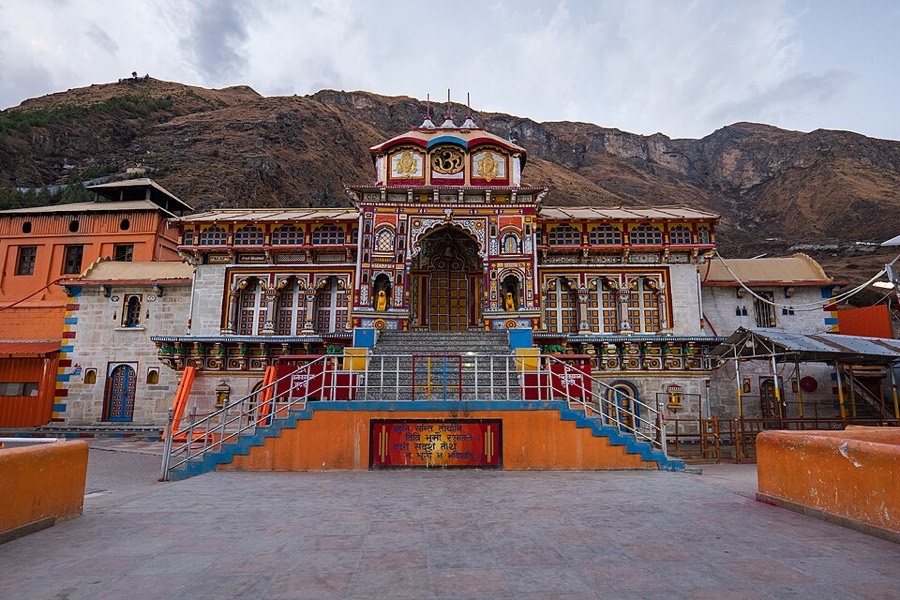
Tirupparkadal — the milk-ocean
Among the 108 Divya Desams, FOUR are beyond this earthly realm: Paramapadam, Tirupparkadal (milk-ocean), Tirupparkadal-kshetra, and Tiruvaikuntam. These are worshipped via their earthly reflections but acknowledged as extra-cosmic sites.
Sthalapurana (Temple Legend)
The sacred history of Tirupparkadal — the milk-ocean is recounted in the Sthalapurana texts and the Divya Prabandham hymns of the Āḻvārs. Devotees believe that pilgrimage to this shrine grants moksha (liberation) and that the deity here has manifested specifically to bless seekers in the Kali Yuga.
Divya Desam Canonical Status
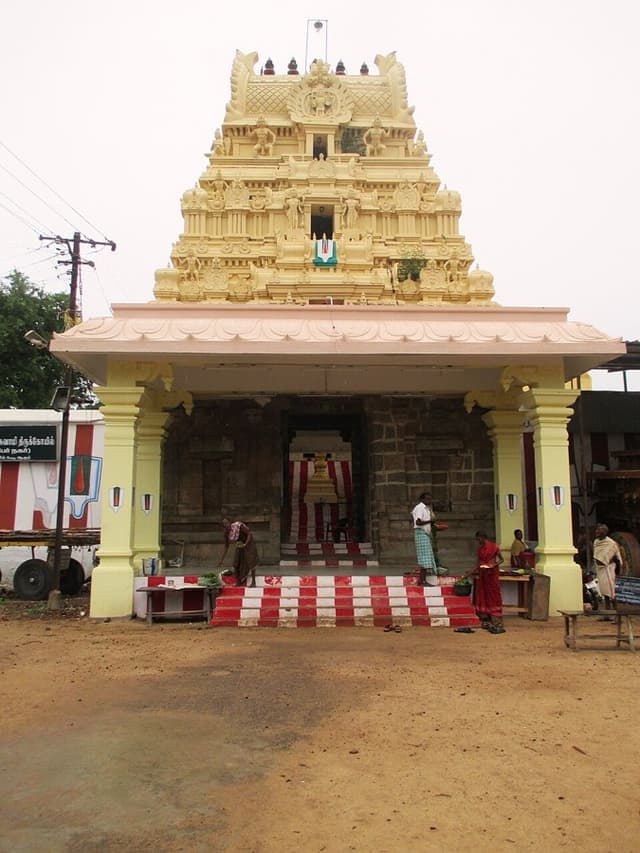
Tirupparkadal — the milk-ocean is one of the 108 Divya Desams — the holiest Vishnu shrines hymned by the 12 Āḻvār poet-saints of the Tamil Srivaishnava tradition (6th–9th c. CE). The Divya Desams are enumerated in the Nālāyira Divya Prabandham ("Four-Thousand Divine Hymns"), compiled by Nāthamuni in the 9th–10th c. CE.
Āḻvār Mangalāśāsana
Divya Prabandham Pasurams
Architectural and Ritual Features
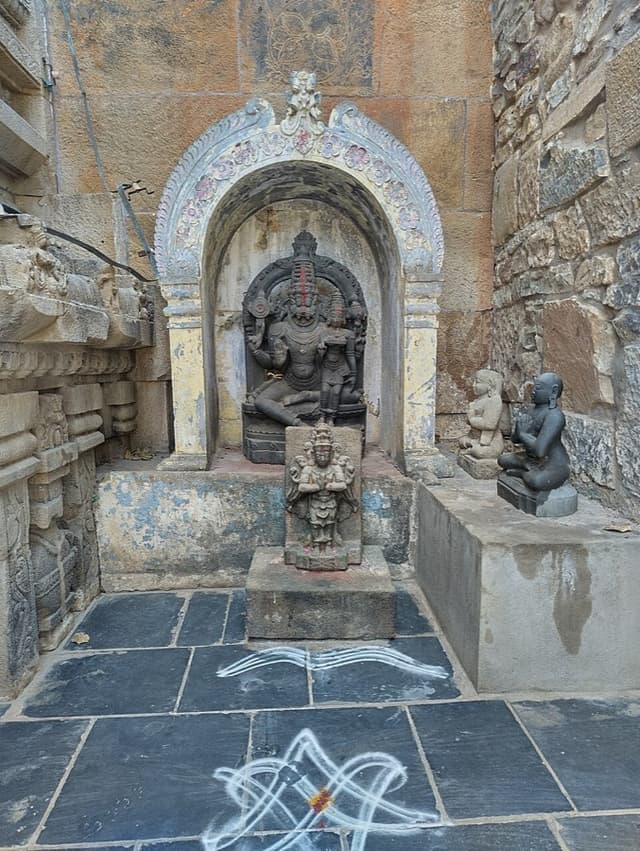
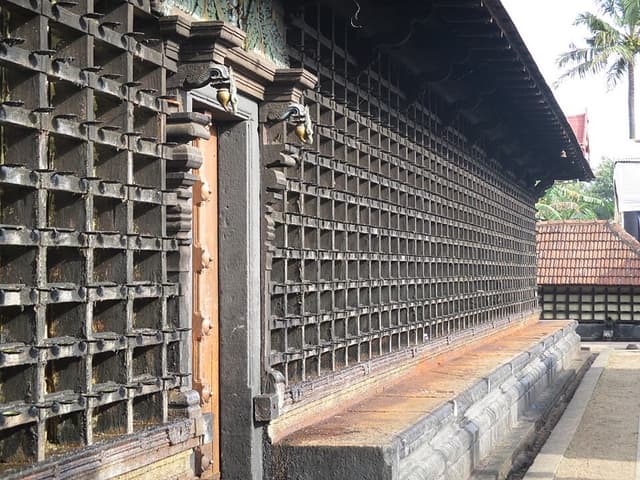
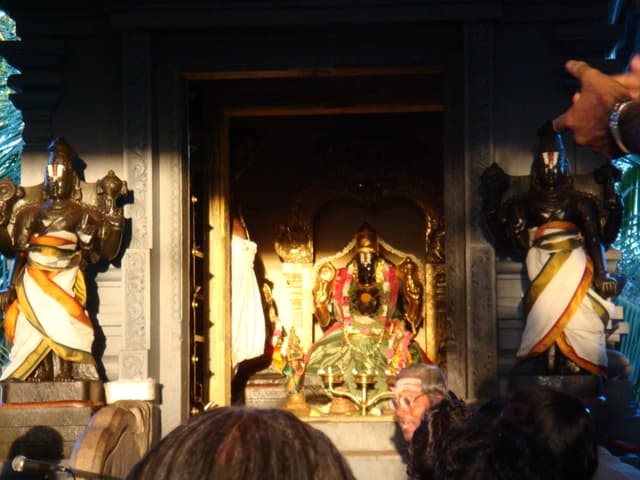
Like all Divya Desams, Tirupparkadal — the milk-ocean maintains both a Mūlavar (sanctum deity, fixed) and an Utsavar (processional image, carried in festivals). The temple follows the Pañcarātra or Vaikhānasa Āgama traditions of Vaishnava ritual, with daily worship conducted by hereditary priests.
Location and Pilgrimage
Situated in Unknown (Unknown), this temple is part of the sacred geography that the Āḻvārs mapped through their hymns — transforming specific Tamil, Kerala, and North Indian landscapes into a unified Vaishnava cosmos.
Wisdom Graph: Divine Associations
- Offerings
- tulsi leavespanchāmṛtalotus
- Sacred colours
- yellow (pītāmbara)gold
Festivals
- Vaikuṇṭha Ekādaśī
- Brahmotsavam
- Garuda Sevā
Sources & provenance
- 🎓Scholarly sourceBookNālāyira Divya Prabandham
- 🎓Scholarly sourceBookR. Balasubramanian. The Divya Desams: 108 Sacred Vishnu Temples
- 📜Primary sourceBook12 Āḻvārs. Nālāyira Divya Prabandham (600)Tamil Vaishnava canon of 4,000 hymns