


Today's ShlokaFriday, 30 October 2026
Mettā Sutta (Sutta Nipāta 1.8) / Mahayana parallels
भवतु सब्बसुखिता — सब्बे भवन्तु सुखिता ।
May all beings be well; may all beings be happy.
One free place for the daily life of Indian faiths — today’s shloka, the Ramayana as a living story, temples, and practices — every entry with its sources.
Every tradition has its own vocabulary — here is the plain-English meaning.
Remember each day. Walk the Ramayana. Study and practice — at your own pace.
A daily shloka, deity, temple, and festival — small remembrance for morning or evening.
Begin today →Walk the epic as living kathā — many characters, dharma choices, and story moments rooted in Valmiki.
Walk the path →Temples, texts, practices, and pilgrimage routes — learn with care and apply in daily life.
Explore wisdom →From the Trimurti to village deities — meet the forms living traditions revere.
Begin →Vāhanas and living companions — Nandi, Garuḍa, the peacock, the cow, the tiger.
Begin →Living shrines and ancient architecture across the land.
Begin →Canonical Vaishnava pilgrimage — each temple sung by the Alvars in Tamil hymns.
Begin →Walk with Rama, Sita, Hanuman, and many others. Story moments, dharma choices, and shloka — rooted in the epic tradition.
Walk as Rama, Sita, Hanuman, and many others — each arc a window into dharma and bhakti.
Kathā with branching dharma choices, shloka remembrance, and sacred scenes from Ayodhya to Lanka.
Carnatic-inspired ambience and raga colour for each scene — sound that supports devotion, not distraction.
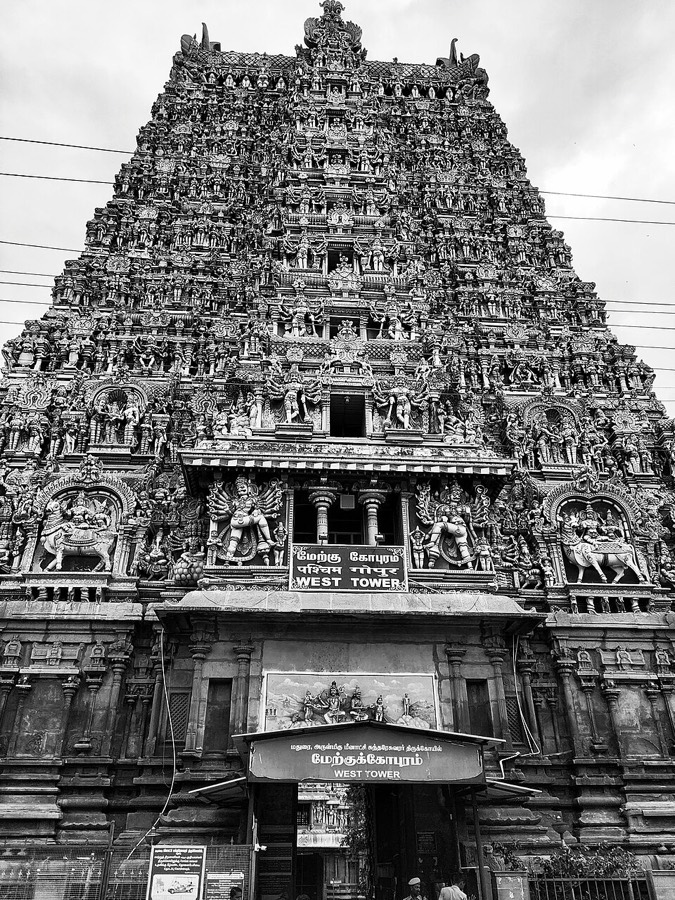
The Meenakshi-Sundareswarar Temple at Madurai — with its 14 gopurams (gateway towers), each covered in thousands of painted stucco figures — is the most visually spectacular temple in India. The divine marriage of Meenakshi (goddess) and Sundareswarar (Śiva) is celebrated annually as the Chithirai Festival — the biggest temple festival in Tamil Nadu.
185 entries, 82 declared links between them, across 6 kinds of record. This is not a menu — it is the shape of the tradition itself. Hover any point to name it; every one opens its entry.
Named forms to begin with — Gaṇeśa, Śiva, Viṣṇu, Durgā, and companions on the path.
One story, one sitting — a face, a telling, a moral that does not lecture.
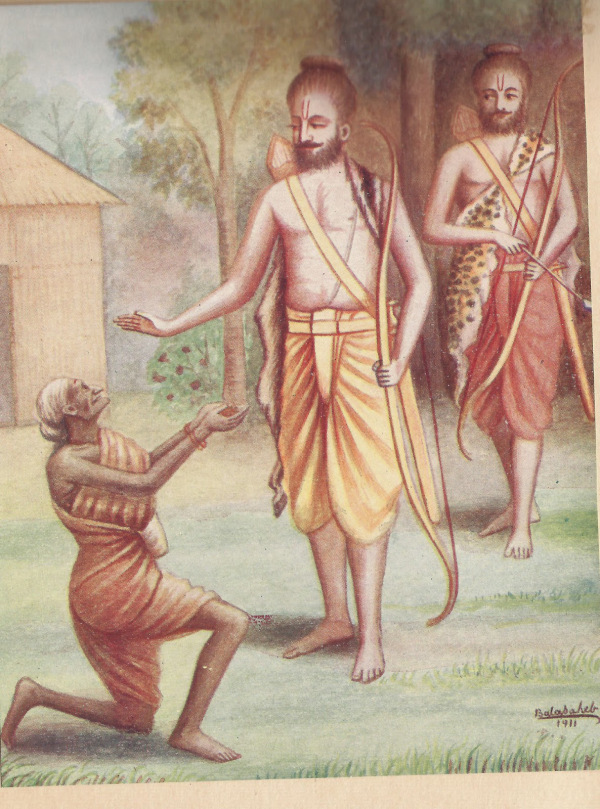
A tribal woman waited a lifetime at the edge of the forest for the prince she had been promised. And the fruit…
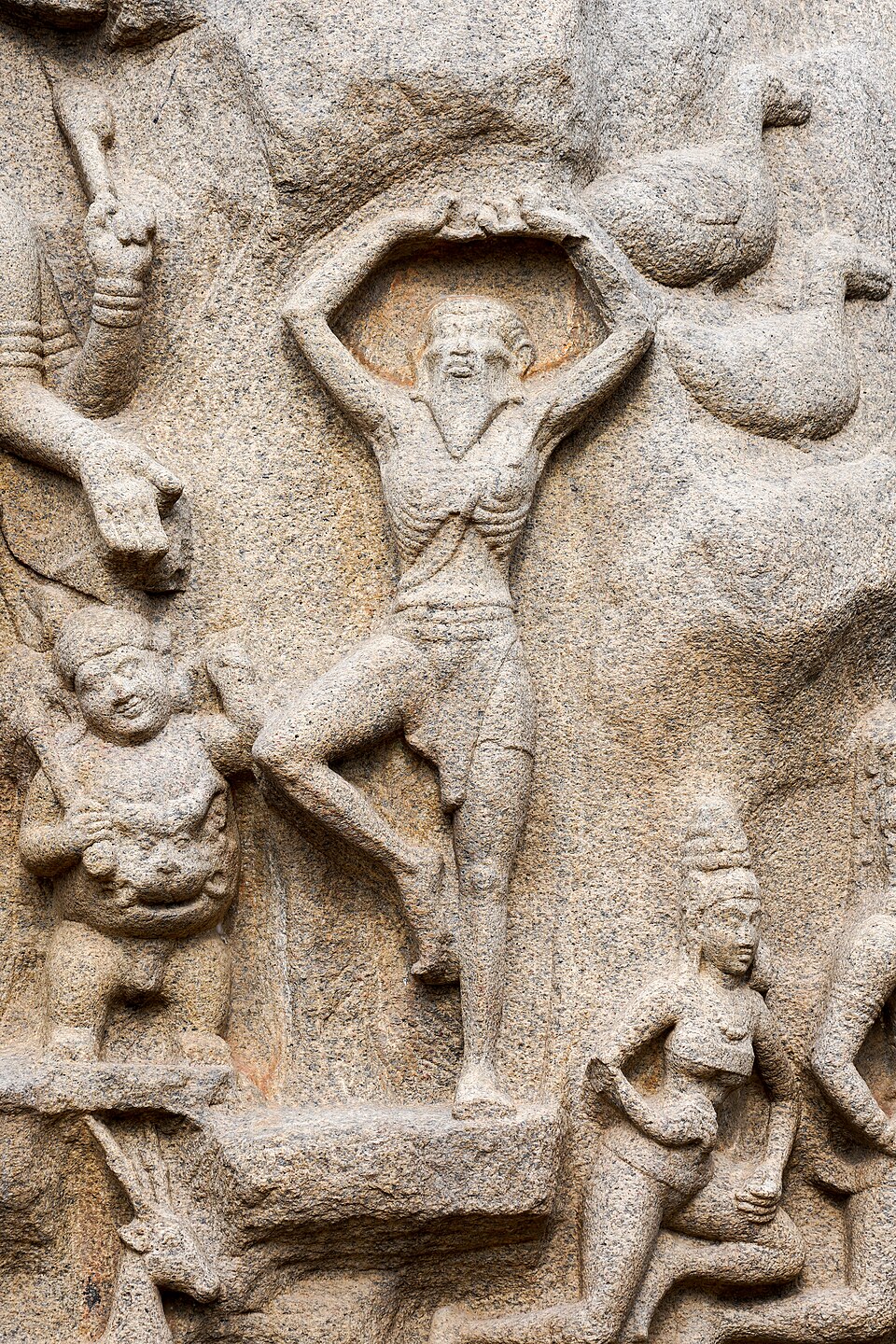
Sixty thousand princes burned to ash beside a meditating sage, and their ashes waited a thousand years for one…
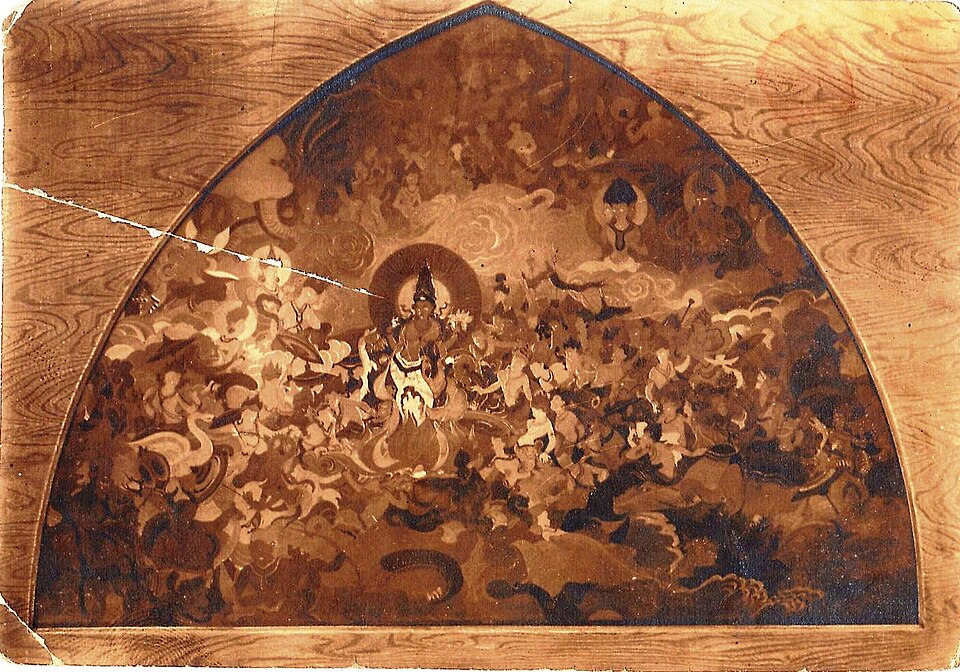
Gods and demons, hereditary enemies, uprooted a mountain and used a serpent as a rope to churn the ocean of mi…
The primary texts that shape understanding of the divine, the cosmos, and the path.
33 festivals across the subcontinent — the living pulse of spiritual life.
38 spiritual disciplines — from puja and meditation to yoga and sacred ritual.
The canonical Vaishnava pilgrimage — each temple sung by the Alvars in Tamil hymns of 5,000 years.
69 religious traditions — the great spiritual rivers of the subcontinent.
1,666 entries across 12 categories of India's spiritual heritage.
Three ways to walk through everything ELGODS offers — pick the path that fits your day.
Start with today’s shloka, meet today’s deity, visit their temple, read their kathā.
Walk the 108 Divya Desams — each with its sthalapurana story, mapped across the subcontinent.
Play through 26 character arcs rooted in Vālmīki’s epic — then read the full sthalapurana behind each sacred site.

33 entries · Browse →
1,666 published entries, each tagged with the tradition it belongs to — 14 families, from Bahá'í to Hindu. An entry can belong to more than one, because most deities are claimed by several.
Vaishnava, Shaiva, Shakta, Smarta, Ganapatya and the Vedanta schools
Sri Vaishnava, Gaudiya, Pushtimarg, Madhva and the Divya Desams
Lingayat, Nath, Advaita, and the Paadal Petra Sthalams
Grama-devata, Theyyam, Naga, Sanamahi, Donyi-Polo, Sarna and tribal deities
215 entries (12.9%) carry regional, linguistic or devotional tags — Tamil, Divya Desam, Tēvāram, Theyyam — rather than a tradition family. They are real and they are reachable through the category grids; this view groups by tradition, so it does not claim them.