



Sacred Facts · At a Glance
- Element
- fire
Primary Scriptures
0 sourcesNo primary scriptures are catalogued for this entry yet. If you know of scriptural references we have missed, please contribute them.
Udvada Atash Behram
Keeper of the Undying Fire
Parsis call Udvada their Mecca. In this quiet fishing village of south Gujarat burns Iranshah — the King of Iran — an Atash Behram (Victorious Fire, the highest grade of consecrated fire) whose flame, tradition holds, has not gone out since it was enthroned at Sanjan in the 8th century. Only Parsis and Zoroastrians may enter the sanctum; all may revere the village, the museum, and the story.
The Journey of the Fire
The Persian poem Qissa-i Sanjan (1599–1600) tells how Zoroastrians fleeing Islamic conquest sailed from Hormuz, survived a storm by vowing to rekindle their sacred fire, and landed at Sanjan, where the Hindu ruler Jadi Rana sheltered them under conditions (recorded in the famous sixteen shlokas: adopt Gujarati dress and speech, lay down arms, hold weddings at night). With implements from Khorasan, priests consecrated the fire — an Atash Behram kindled from sixteen sources through months of ritual.
When Sanjan fell, three priests rescued the flame to the Bahrot caves, then Vansda, then Navsari (1419–1740), then briefly Valsad — carried, tradition says, by night in covered litters, hidden from sun and stranger. On 28 October 1742 it found its permanent home at Udvada; the present temple was commissioned by Bai Motlibai Wadia. Nine priestly families, descended from the three rescuers, tend it still by rotation, feeding it sandalwood five times daily.
Scholars (see Encyclopaedia Iranica) caution that precise early dates rest on late tradition — the migration is variously placed in the 700s or 900s — and this entry honours both the devotion and the doubt. The name Iranshah itself, for the fire, is attested only from the early 1900s; before that it was simply the Atash Behram.
Practices
- Salgirah: the fire's anniversary on day Adur of month Adur (ninth day of the ninth Zoroastrian month), with pilgrims through the whole month of Adur; monthly Behram-day observances.
- Machi offerings: sandalwood offered to the fire, often on behalf of newlyweds who pilgrimage here after marriage.
- Parsi New Year (Navroz, August): Udvada fills with devotees.
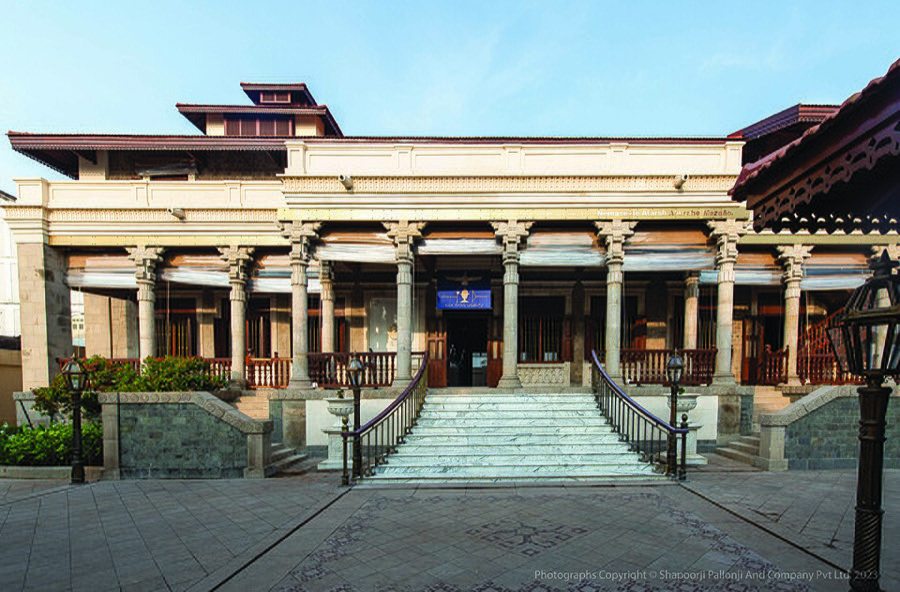
- Custom for visitors: only Zoroastrians enter the fire temple's inner chambers; others are welcome at the museum, the Dasturji Kaiyoji Mirza hall, and the village. Photography of the fire is forbidden; quiet conduct is expected everywhere.
Sources & provenance
- 📜
- 📜Primary sourceWikipedia