
.jpg/500px-Buddha_in_Sarnath_Museum_(Dhammajak_Mutra).jpg)




Sacred Facts · At a Glance
- Gender
- male
Primary Scriptures
0 sourcesNo primary scriptures are catalogued for this entry yet. If you know of scriptural references we have missed, please contribute them.
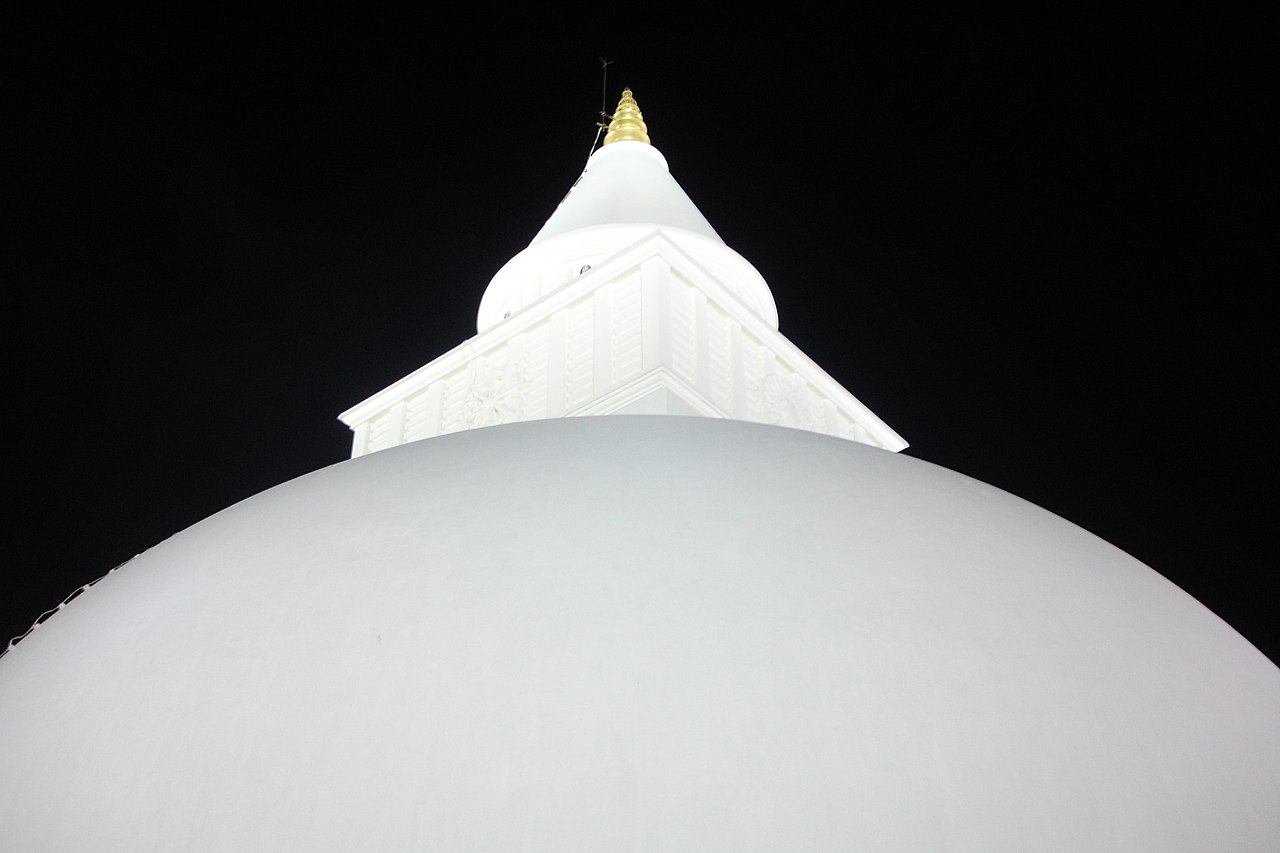
Kiri Vehera — another name the corpus cannot resolve
The same caution, stated again
This file's stub gives the title "Kiri Vehera", the category "place", the tradition
"Buddhist, Sinhala" and the tradition_name "Goddess of Milk", with no further identification.
The previous body was a machine stub. This entry follows the same policy as its near
neighbour kiri-muhuda: it records the gap rather than filling it.
What can be said: vehera (Sinhala vihāraya) is the ordinary Sinhala word for a Buddhist temple or shrine, and kirī means milk. So the compound most plausibly names a place — a village, a field, a water source — or a shrine called after one, which would explain why the corpus filed it under category "place" while giving it a deity's epithet. The epithet "Goddess of Milk" appears to be a machine gloss, probably generated from the word kirī, and no source supports it. A guardian should assume nothing from it.
This is worth stating in the entry because the pattern recurs in this corpus: a slug with a Sinhala or Tamil place-name, a category field of "deity", and a tradition_name that has been glossed from the first word of the name. Those three together are a signature of generated content, not of a documented shrine. Where this record can say so without inventing, it should.
What class of shrine this would be, if it is one
Sri Lanka's folk shrines — deviyo kuta, gandharva kuta — are small wayside or village shrines served by lay custodians, often centred on a stone, a tree or a footprint, and they are extremely numerous; the district gazetteers list them by the hundred. A shrine named for a local place-feature would be entirely ordinary among them. That is a statement about the category of thing, not a claim that this particular shrine exists in the form described.
Sources and what is still unverified
None of the sources listed here is evidence for this entry. They are the frame within which a solution would be found. A guardian needs a district gazetteer entry, a shrine nameboard, or a named Sinhala-speaking informant before this file can carry any factual content.
Outstanding: whether the place or shrine exists and where; whether it has any cult or is only a toponym; and whether the entry should be reclassified from a deity record to a place record in the corpus taxonomy.
Sources & provenance
- 🎓Scholarly sourceBookSinhala folk shrine and deviyo traditions — a named study is required
- 🎓Scholarly sourceBookRichard Gombrich and John Clifford Holt, editors.