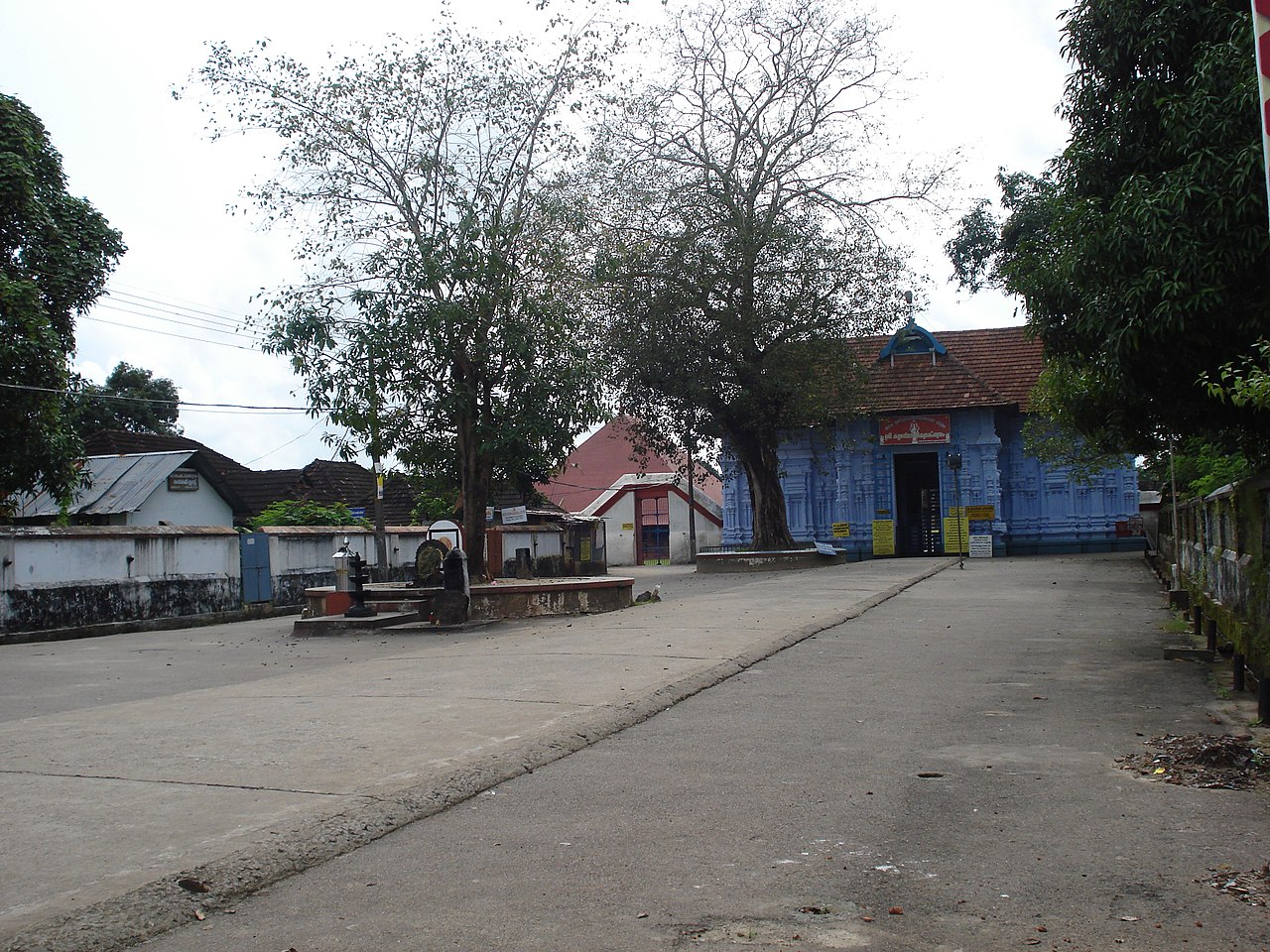
Sacred Facts · At a Glance
- Gender
- male
- Element
- water
- Sacred Colours
- tradition-specific
- Sacred Offerings
- tradition-specific
Primary Scriptures
0 sourcesNo primary scriptures are catalogued for this entry yet. If you know of scriptural references we have missed, please contribute them.
Kūḍāl Māṇikyam — Bharata's throne at Irinjalakuda
A Bhagavata temple on the Kaveri
The Kūḍāl Māṇikyam at Irinjalakuda, in Thrissur district, Kerala, is a Bhagavata temple — that is, a Vishnu temple, in the North Malayalam usage in which the Bhagavatas of the Tulu-speaking border districts also maintain their own temples and in which Bhagavata worship sits alongside the older Śaiva temples of the Malabar region. The two traditions meet in this district in a way that is not accidental; the Bhāgavata cult came to Kerala with the Tulu-speaking communities of the north.
The temple's connection with Bharata is the reason it is held in esteem. Bharata, eldest of the Pandavas, is said in the Mahābhārata and its commentaries to have retired to this spot after the war, to have spent his life in devotion, and to have installed an image of Vishnu here; the Bharata legend is one of the standing themes of Kerala's Vaishnava temple inscriptions. A second local association connects the temple with Kanjana — that is, Kannagi — the heroine of the Silappatikāram, whose anklet, given to a Pandava at this place, is remembered in the shrine's own tradition.
The cult has the features of a Kerala temple in the older Bhagavata tradition: a balipīṭṭam before the sanctum, an alankāram hall with wood carving, and the Vaishnava tilak. The festival calendar runs on the Malayalam months, and the shrine is administered by a temple committee under the relevant Devasthanam legislation, which is the standard administrative frame for temples of this class in Kerala.
Sources and what is still unverified
The Mahābhārata and its commentaries for the Bharata tradition; Nilakanta Sastri for the historical frame; Majumdar for the deity material; and the Thrissur gazetteer for the local detail.
For a named guardian, ideally a Malayalam speaker: which text of the Mahābhārata the Bharata episode at this shrine comes from, since the local version differs from the vulgate in places; the temple's own foundation and its custodians; the Kanjana story as it is held here, which also attaches to the Kanjana Bhagavathi shrine nearby and the two should be distinguished; and the exact festival calendar.
Wisdom Graph: Divine Associations
- Offerings
- tradition-specific
- Sacred colours
- tradition-specific
Worship Procedures
- Daily rites
- • tradition-specific
Principal Temples
- Main shrine of Kūḍalmāṇikyam — BharataVaries📍 Irinjalakuda, Thrissur, Kerala, IndiaFestivals: Annual festivalBharata of the four Pandavas at Kūḍalmāṇikyam
Festivals
- Annual Kūḍalmāṇikyam — Bharata festivalSeasonally · 1–10 days
Sources & provenance
- 🎓Scholarly sourceBookThe Mahābhārata (the account of the Pandavas' withdrawal)
- 🎓Scholarly sourceBookA. K. Majumdar. Encyclopaedia of Hindu Deities, Demi-Gods, Godlings, Demons and Heroes
- 🎓Scholarly sourceBookK. A. Nilakanta Sastri. A History of South India
- 📖Supporting referenceGazetteerThrissur District Gazetteer






