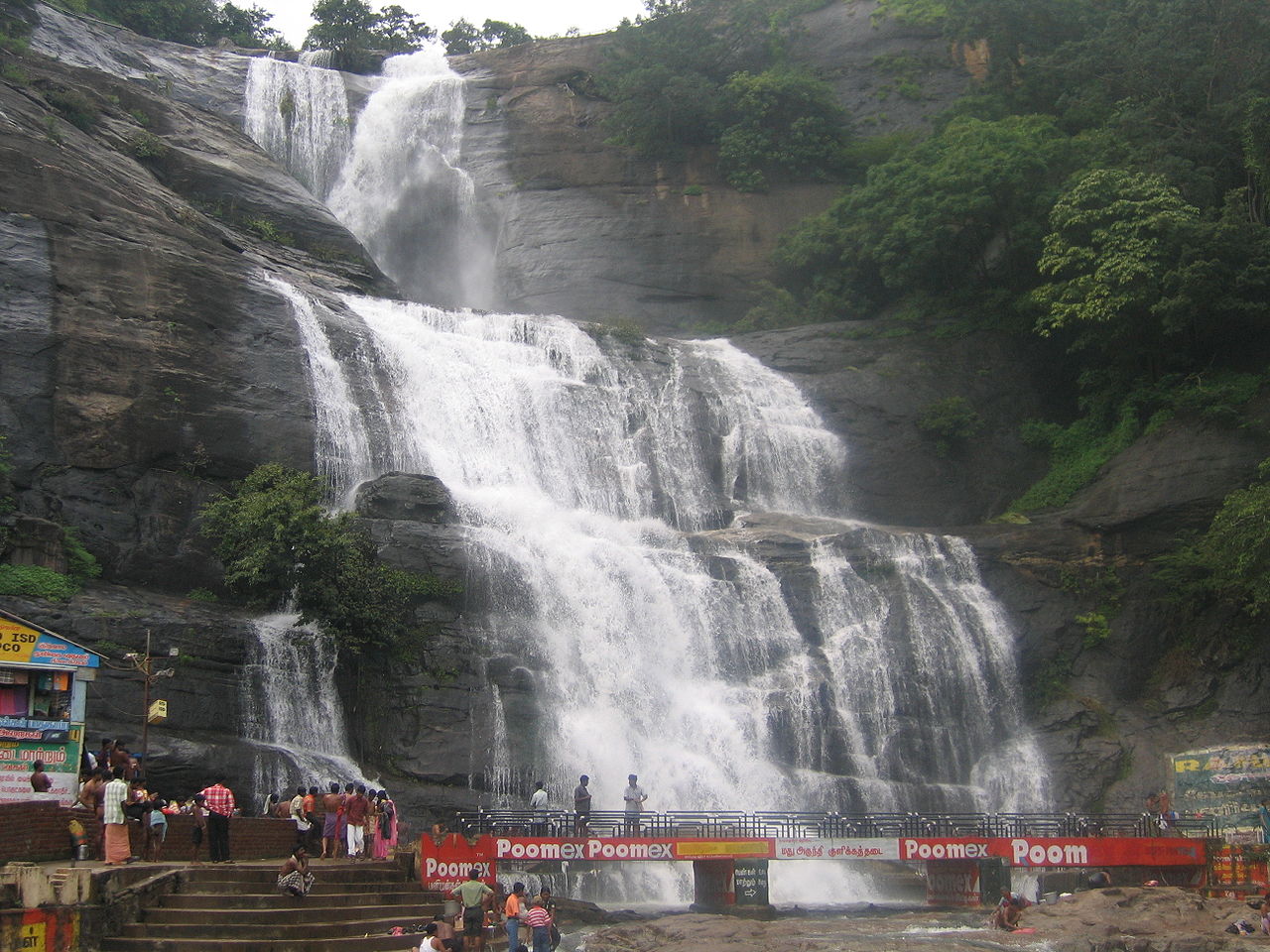
Kuṭralanātha / Kurumbala-eeswarar
Deities

Kuṭralanātha / Kurumbala-eeswarar

Kuṭralanātha of Kuṭralam — Shiva at the great waterfall

Status · Anusandhāna
Source · Tier 2
Tradition · Hindu
Period · 8th–12th c. CE (Pāṇḍya-Chola)

Kuṭralanātha / Kurumbala-eeswarar

The 275 Paadal Petra Sthalangal

The Paadal Petra Sthalangal are the 275 Shiva temples sung in the hymns of the three great Tēvāram saints: Tirunāvukkaracar (Appar), Tiruñāṉa-sambandar, and Cuntarar (Sundarar) — the Tamil Shaiva Bhakti poets of the 7th–9th c. CE. Compiled in the Thirumurai (12 canonical books of Tamil Shaiva scripture), these temples constitute the sacred geography of Tamil Shaivism — the map of a living Shiva-bhakti tradition older than most written philosophy in India.

Of 275 sthalangal:

  • 190 in Chola Nāḍu
  • 32 in Pāṇḍya Nāḍu
  • 32 in Toṇḍai Nāḍu
  • 14 in Naḍu Nāḍu / Kongu Nāḍu
  • 7 across Malai Nāḍu (Kerala — only Tiruvañjikkaḷam definitively)

This Temple — Kuṭralanātha / Kurumbala-eeswarar

  • Location: Kuttralam (Courtallam), Tenkasi district, Tamil Nadu (8.9319°N, 77.2728°E)
  • Presiding liṅga/form: Kuṭralanātha
  • Ambal (Goddess): Parāśakti / Kuzhal-vāy-mozhi-ammaí
  • Temple tank (tīrtham): Kuttrala (main falls)
  • Sthala-vṛkṣa (sacred tree): Kuṟuntai-maram (coral jasmine)
  • Sung by (mangalāśāsanam): Sung by Appar, Sambandar, Sundarar; also Trikuṭa-rāsappa-kaviraayar wrote the Kuṭrala Kuravañci
  • Built: 8th–12th c. CE (Pāṇḍya-Chola)

Sthala-Purāṇa Story

The temple stands at the foot of the Kuṭrala waterfall. Pilgrims traditionally first bathe in the falls then enter the shrine. Sage Agastya transmitted here the Kūṭa-vaidya medical tradition (Siddha medicine).

Worship Tradition

Daily: five-fold ārādhanā (pañca-parva-pūja) — ushāt-kālam before dawn, kāla-śānti at 6 AM, uccikālam at noon, sāyaraṣcha at dusk, ardha-jāma at 9 PM. Principal offerings: jala-abhiṣeka (water), pañcāmṛta (five-ambrosia — milk, curd, ghee, honey, jaggery), vibhūti (sacred ash), bilva leaves, and deepa ārati. The Goddess receives separate pūja with saffron, kumkum, and red flowers.

Festival Cycle

  • Mahā Śivarātri (Phalguna, Feb–Mar): the night-long festival when Shiva is said to have performed the Tāṇḍava; four-phase pūja through the night
  • Ārudrā Darśanam (Mārgaḻi, Dec–Jan): commemorates the cosmic dance of Naṭarāja at Chidambaram — at every Shiva temple the Abhiṣeka of Naṭarāja happens
  • Brahmotsavam: annual 10-day utsavam with processions on Āti-rudra-vāhana, Ṛṣabha-vāhana (bull), Mayūra-vāhana (peacock), Garuḍa-vāhana
  • Pradoṣa (13th lunar day, twice a month): special evening pūjā — Shiva dances on the head of Nandi between 4:30 and 6 PM

The Tēvāram Tradition

Every Paadal Petra temple's sanctity rests on whether Appar, Sambandar, or Sundarar sang of it — and how many pasurams. Tamil Shaiva tradition believes the Tēvāram is equivalent to the Vedas (Drāviḍa Veda). The saints walked from temple to temple through the Tamil country — thousands of kilometres on foot — singing as they arrived. The temples were the fulcrums of the Bhakti movement that reshaped South India and founded the Shaiva-Siddhānta philosophy.

Architectural Note

South Indian Shaiva temples are organised on the pañca-prākāra (five-walled) plan: mūla-sthāna (sanctum), antarāḷa, ardha-maṇḍapa, mahā-maṇḍapa, rājagopura. Outside: the Amman (Goddess) shrine, the Chandikeswara shrine, the Murugan shrine, the Ganesha shrine, the Sūrya shrine, the Nandi bull, the Palipīṭha, the Dhvaja-stambha (flagstaff), and the Puṣkariṇī (tank) with the sthala-vṛkṣa shading it.

Wisdom Graph: Divine Associations

MantraOṁ Namaḥ Śivāya / Tiruvācaka refrains
Sacred trees
Kuṟuntai-maram (coral jasmine)bilva
Offerings
bilva leavesvibhūti (sacred ash)milk abhiṣekatender coconutrice + jaggery naivedyam
Sacred colours
white (vibhūti)saffronred (kumkum for the Goddess)

📖 Stories

  • The sthala-purāṇa of Kuṭralanātha / Kurumbala-eeswarar
    The temple stands at the foot of the Kuṭrala waterfall. Pilgrims traditionally first bathe in the falls then enter the shrine. Sage Agastya transmitted here the Kūṭa-vaidya medical tradition (Siddha medicine).
    Tēvāram pasurams + local sthala-purāṇam

🪔 Worship Procedures

Daily rites
ushāt-kālam (dawn)
kāla-śānti
uccikālam (noon)
sāyaraṣcha (evening)
ardha-jāma (night closure)
Puja sequence
  1. jala-abhiṣeka
  2. pañcāmṛta
  3. vibhūti
  4. bilva leaves
  5. deepa ārati
  6. prasadam (pongal, laddu)
Vratas (vows / fasts)
Pradoṣa (13th lunar day)
Mahā Śivarātri fast
every Monday (Somavāra)
Pilgrimages
275 Paadal Petra yātrā
Chola-nāḍu Shaiva circuit
Pañca Bhūta Sthala

🛕 Principal Temples

  • Kuṭralanātha / Kurumbala-eeswarar Temple8th–12th c. CE (Pāṇḍya-Chola)
    📍 Kuttralam (Courtallam), Tenkasi, Tamil Nadu, India
    Festivals: Mahā Śivarātri (Phalguna, February–March) · Ārudrā Darśanam (Mārgaḻi, December–January) · Pañcaparva Ārādhanā
    Goddess (Ambal): Parāśakti / Kuzhal-vāy-mozhi-ammaí. Tīrtham: Kuttrala (main falls). Sthala-vṛkṣa: Kuṟuntai-maram (coral jasmine). Sung by: Sung by Appar, Sambandar, Sundarar; also Trikuṭa-rāsappa-kaviraayar wrote the *Kuṭrala Kuravañci*

🎊 Festivals

  • Mahā Śivarātri
    Phalguna (February–March) · Night-long
    Four-phase pūja through the night; all-night jāgaraṇa
  • Ārudrā Darśanam
    Mārgaḻi (December–January) · 1 day
    Commemorates the cosmic dance of Naṭarāja
  • Brahmotsavam
    Annual, temple-specific · 10 days

📜 Primary Scriptural Sources

  • Tēvāram — first seven books of the ThirumuraiTamil Shaiva hymns7th–9th c. CE
  • Periya Purāṇamhagiography of the 63 Nayanmars12th c. CE (by Cekkiḻār)
  • Sthala-purāṇamlocal temple narrative
