




Sacred Facts · At a Glance
- Gender
- male
Primary Scriptures
1 source- Mudal Tiruvandadistotra100 versesComposed 7th c. CEVishnu as lamp; the light of consciousness
Poigai Āḻvār — The First Āḻvār
The Vision of the Divine Lamp
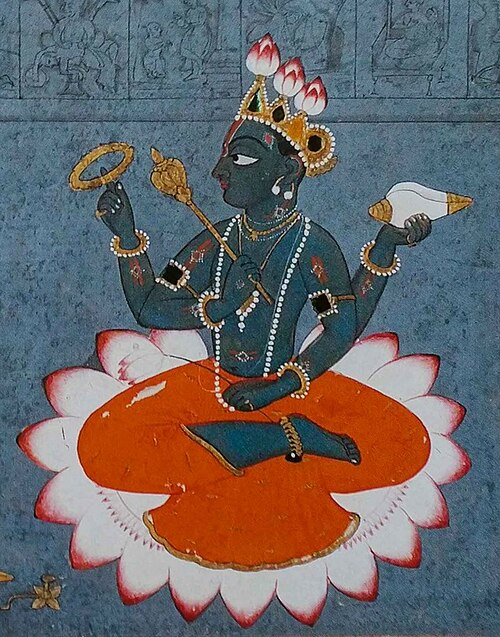
Poigai Āḻvār (Tamil: பொய்கை ஆழ்வார்) is the first of the 12 Āḻvār saints of Tamil Vaishnavism, traditionally dated to the 7th century CE. His name means "he who was born in a pond" (poigai) — legend says he was found as a baby in a lotus pond near the Yathokthakari temple in Kanchipuram.
His sole work, the Mudal Tiruvandadi ("First Sacred Decad"), consists of 100 verses that form the opening of the Nālāyira Divya Prabandham. The central image: Vishnu as a divine lamp (vilakku) that illuminates the cosmos. Just as a lamp dispels darkness without being diminished, Vishnu's grace enlightens souls without being depleted.
"The Lord is the lamp, the world is the wick, the ocean of grace is the oil — thus the flame of knowledge burns eternally."
Theological Contribution
Poigai Āḻvār established the foundational Āḻvār theology: Vishnu is both immanent and transcendent. The lamp metaphor captures this perfectly — the flame is visible (immanent) yet the light extends infinitely (transcendent). He is the first to articulate what later Sri Vaishnava theologians would call Śaraṇāgati (surrender): the devotee need only turn toward the light; the light is already shining.
Connection to Kanchipuram
The Yathokthakari temple in Kanchipuram (one of the 108 Divya Desams) is Poigai Āḻvār's sacred site. Here Vishnu is worshipped as "The One Who Does As Told" — a deity so responsive to devotees that he changes posture at their command. Poigai's vision of the divine lamp was born in this temple's sanctum, where oil lamps have burned continuously for over a thousand years.
Legacy
Every Sri Vaishnava temple begins its recitation of the Divya Prabandham with Poigai Āḻvār's verses. His Tirunakṣatram (birth star) is celebrated as the opening of the Āḻvār festival cycle. Though his verses are just 100 among 4,000, they set the theological tone for the entire canon: Vishnu is accessible light, not distant abstraction.
Wisdom Graph: Divine Associations
🛕 Principal Temples
📜 Primary Scriptural Sources
- Mudal Tiruvandadistotra7th c. CE100 versesVishnu as lamp; the light of consciousness
Sources & provenance
- 📜Primary sourceBookPoigai Āḻvār. Mudal Tiruvandadi (650)100 verses; first work in Nālāyira Divya Prabandham
- 📜Primary sourceBook12 Āḻvārs, compiled by Nāthamuni.