
Primary Scriptures
0 sourcesNo primary scriptures are catalogued for this entry yet. If you know of scriptural references we have missed, please contribute them.
The Torah
[BEGINNER]
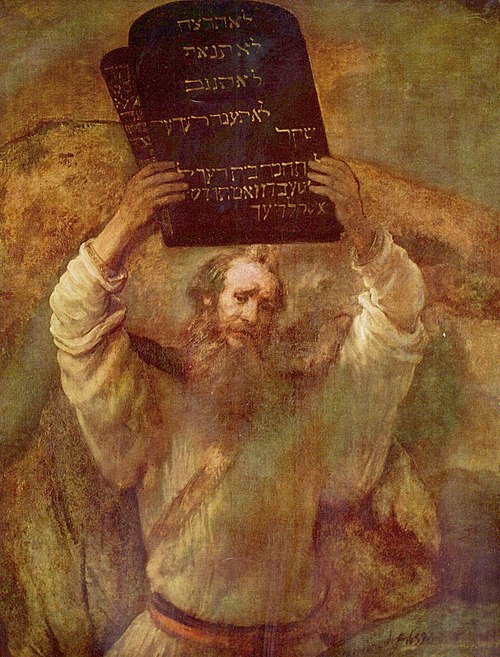
The Torah ("teaching, law") — the Five Books of Moses: Genesis, Exodus, Leviticus, Numbers, Deuteronomy — is Judaism's holiest text. Hand-copied on parchment scrolls, kept in the synagogue ark (hechal), crowned and processioned on festivals, it is read aloud in weekly portions (parashah) so the whole is completed each year and begun again on Simchat Torah ("rejoicing in the Torah").
Its spine is the story every Indian Jewish child learns: creation, Abraham's call, slavery in Egypt, the Exodus, Sinai's commandments, forty years of wilderness — law woven into narrative, so that keeping Shabbat or Passover is re-entering the story.
[INTERMEDIATE]
The Torah in India is a story of scrolls and survival. The Paradesi Synagogue's ark holds four Torah scrolls in silver and gold, among the community's most guarded treasures. The Bene Israel — who for centuries kept only the Shema and Sabbath — relearned the full cycle after David Rahabi's revival; 19th-century Bombay presses then printed Marathi prayer books and Torah portions (notably through Joseph Ezekiel's translations), making Mumbai briefly a world centre of Marathi-Jewish printing. Bene Israel Torah readers chant in the same Hebrew as Jerusalem, with Marathi explanations; Cochin readers keep Sephardic melodies with Judeo-Malayalam study aids.
Beyond the Five Books, Indian Jews honour the wider Hebrew Bible (Tanakh: Prophets, Writings — Psalms sung at malidas) and rabbinic tradition; but the scroll in the ark remains the community's beating heart — lifted, dressed, kissed with prayer-shawl fringes, and never left alone in an empty synagogue.
[SCHOLAR]
The Indian Torah-scroll tradition follows Sephardic casing (tik) custom among Baghdadis and Cochin Jews, Ashkenazi-influenced rollers among some Bene Israel congregations — a material map of the communities' different reconnections to world Jewry. Scribal (sofer) maintenance visits from Israel keep the scrolls kosher; a damaged letter can retire a scroll to a geniza repository.
Sources & provenance
- 📜
- 📜Primary sourceBook