


Historical PeriodEra
Tradition: 2nd millennium BCE (Exodus narrative)
3000 BCETradition: 2nd millennium BCE (Exodus narrative)Present
Primary Scriptures
0 sourcesNo primary scriptures are catalogued for this entry yet. If you know of scriptural references we have missed, please contribute them.
Moses
The Lawgiver of Israel
Overview
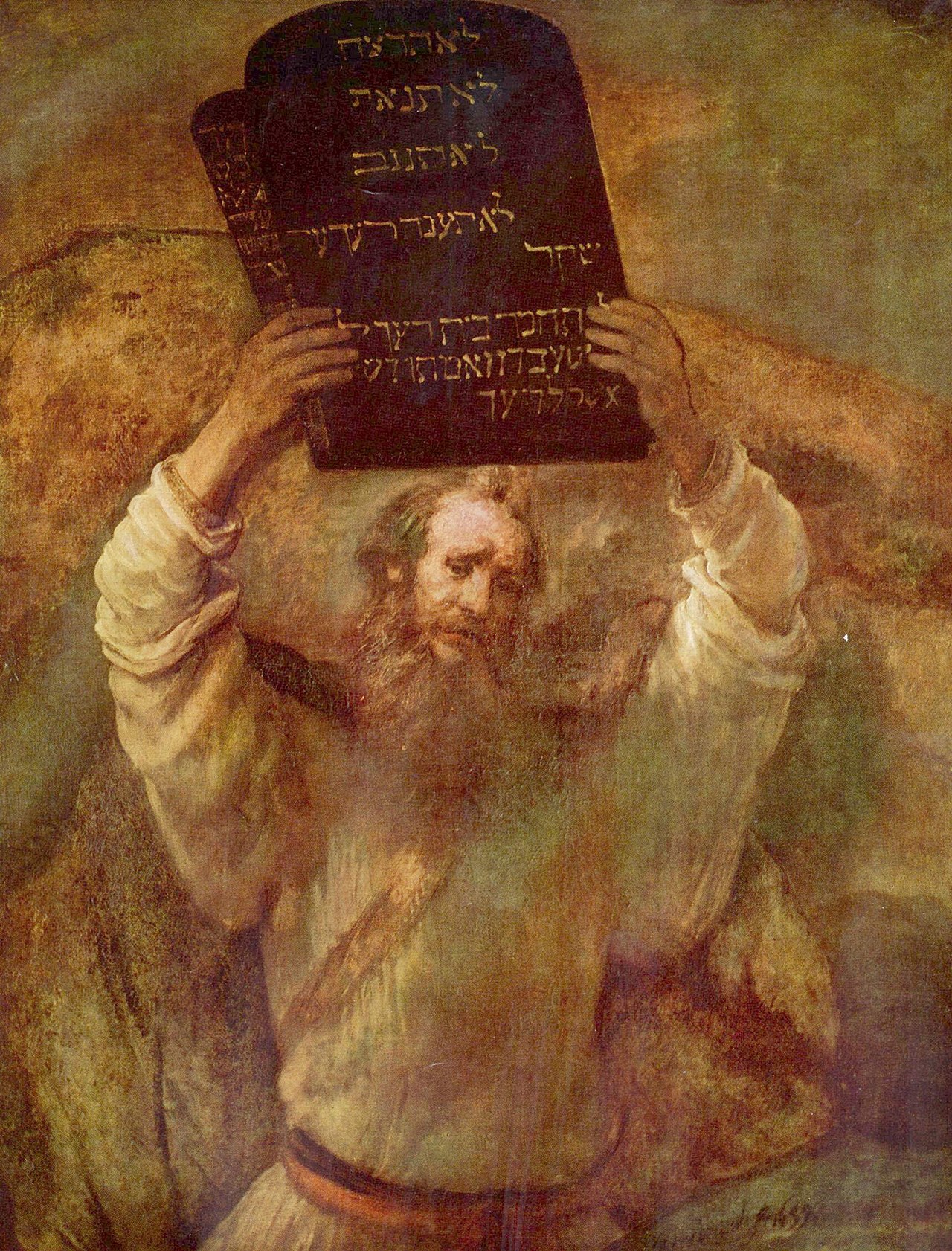
Moses (Moshe in Hebrew, Musa in Arabic) is Judaism's greatest prophet — the shepherd-prince who confronted Pharaoh, led the Israelites out of Egyptian bondage through the parted sea, received the Torah on Mount Sinai amid thunder, and guided his people forty years through the wilderness. Jews call him Moshe Rabbeinu, "Moses our Teacher": every Torah scroll in every Indian synagogue is, in tradition, his book.
Key Facts
- Birth: hidden as an infant in a Nile basket; raised in Pharaoh's palace (Book of Exodus)
- The Exodus: ten plagues, Passover night, crossing of the sea — relived yearly at Passover seders, including in Mumbai and Kochi
- Sinai: the Ten Commandments and the Torah; the mountain the Bene Israel malida offering is piled to resemble
- Death: on Mount Nebo, within sight of the Promised Land (Deuteronomy 34)
Teachings
- The Shema — "Hear, O Israel: the Lord our God, the Lord is One" (Deuteronomy 6:4): the declaration of God's oneness. The Bene Israel preserved it through centuries of isolation, reciting it at meals, weddings, and burials — the single Hebrew thread that proved, when David Rahabi tested them, that they were Jews.
- The covenant: freedom carries obligation — Sabbath, justice for the stranger ("you were strangers in Egypt"), honest weights, care for the widow and orphan.
- The Exodus memory: Judaism's master story — from slavery to freedom — retold wherever Jews gather, including the Passover tables of India.
Moses Beyond Judaism
- Christianity reads Moses as foreshadowing Christ and honours the Law he carried.
- Islam honours Musa as one of the greatest prophets (Ulul Azm), named more often in the Quran than any other figure; the Quran's telling of the Exodus parallels the Torah's.
- In India, Moses thus belongs to a shared Abrahamic memory — Jewish by canon, familiar to Christian and Muslim neighbours alike.
Sources & provenance
📜 2 Primary🎓 1 Scholarly
- 📜
- 📜Primary sourceBook