




Sacred Facts · At a Glance
- Sacred Colours
- goldsaffron
Primary Scriptures
0 sourcesNo primary scriptures are catalogued for this entry yet. If you know of scriptural references we have missed, please contribute them.
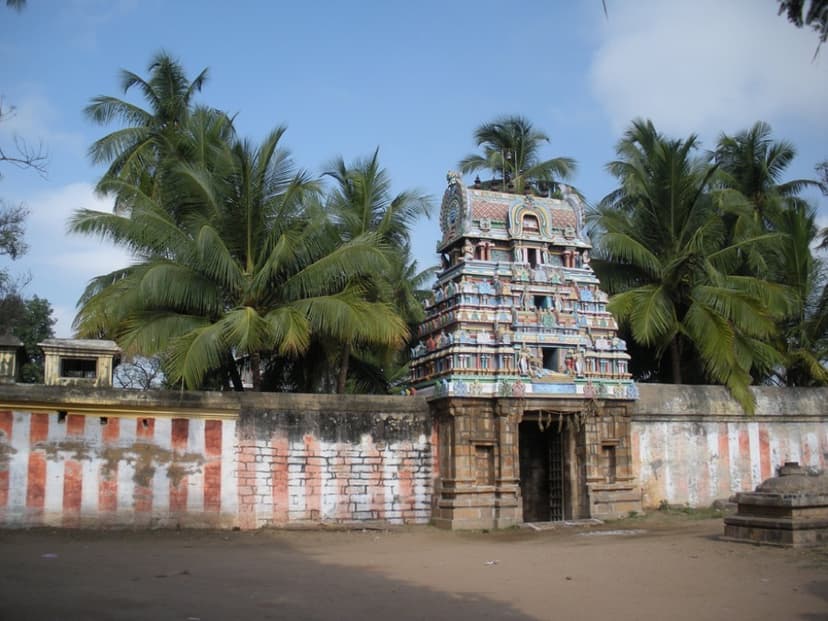
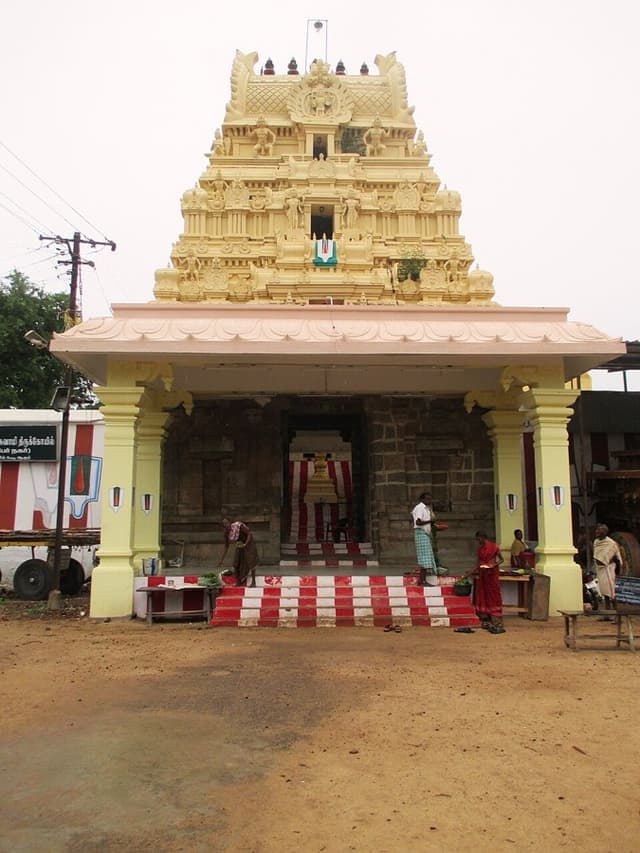
Thiruanbil (Vadivaḻagiya Nambi Perumal)
One of the 108 Divya Desams — the sacred abodes of Vishnu glorified in the Naalāyira Divya Prabandham (4,000 Tamil hymns) composed by the 12 Āḻvār saints between the 6th and 9th centuries CE.
Deity
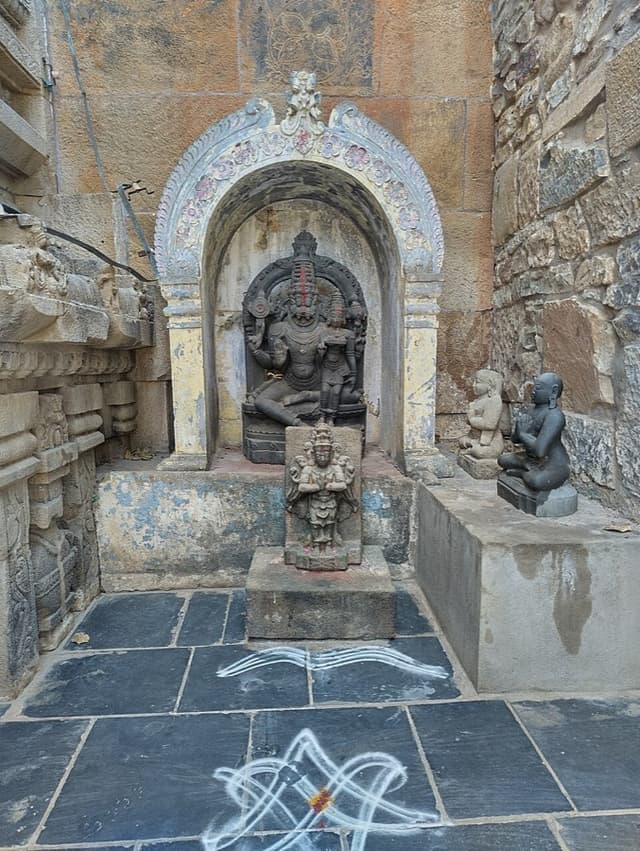
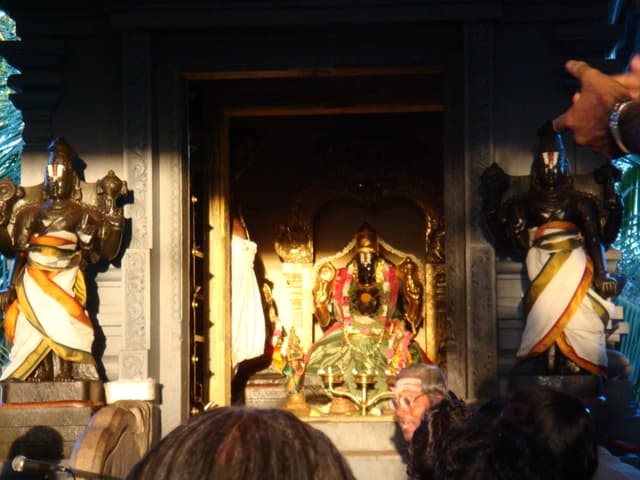
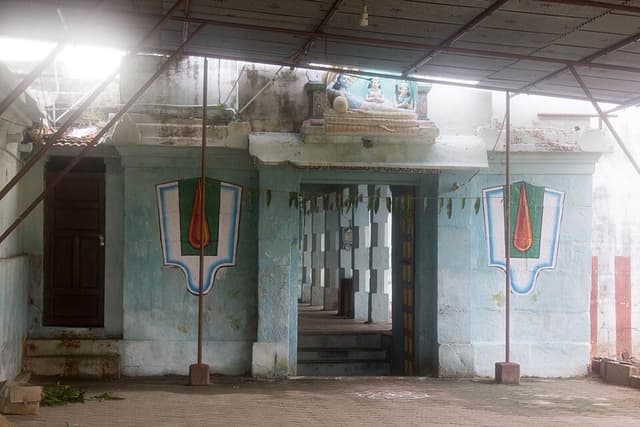
The presiding deity is Vadivaḻagiya Nambi Perumal, worshipped here in a unique mūrti (iconographic form) specific to this temple. The goddess (Thāyār) holds a separate sanctum within the same precinct.
Region
This temple belongs to the Chola Nadu division of the Divya Desam sacred geography.
Architecture & History
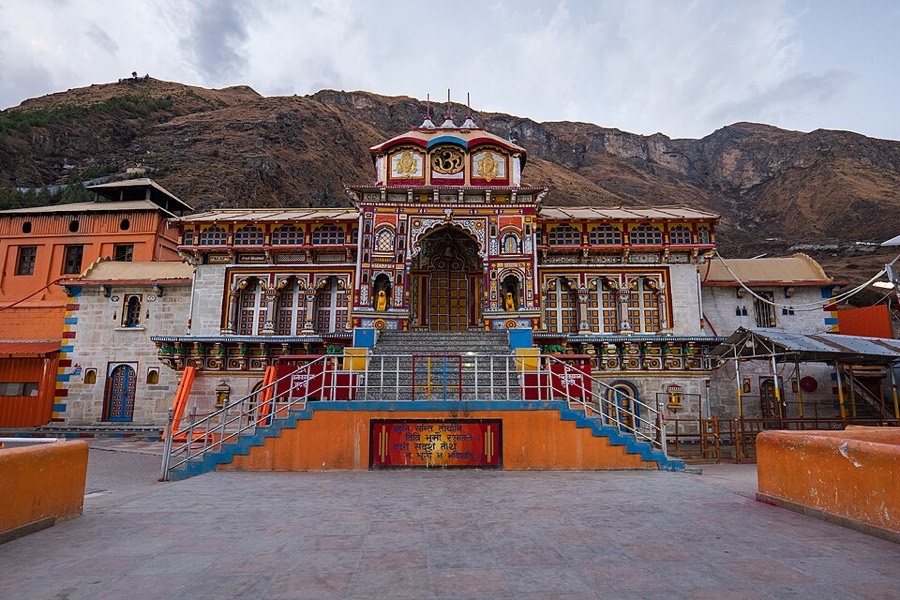
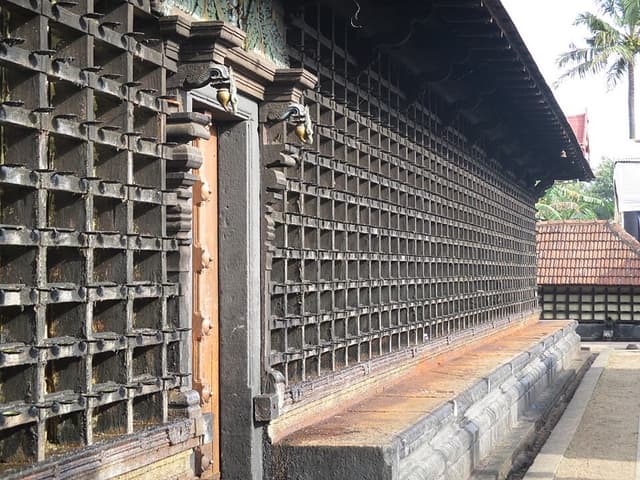
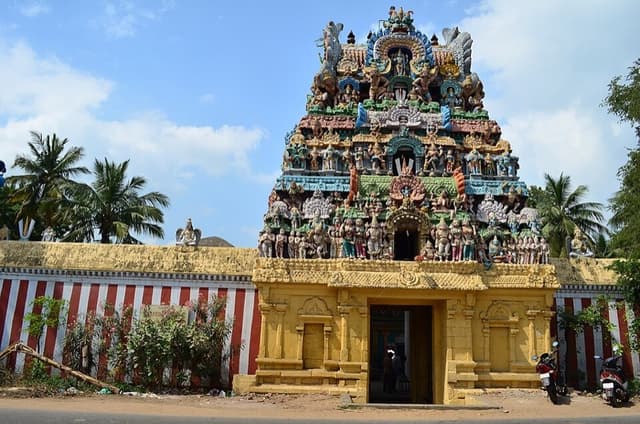
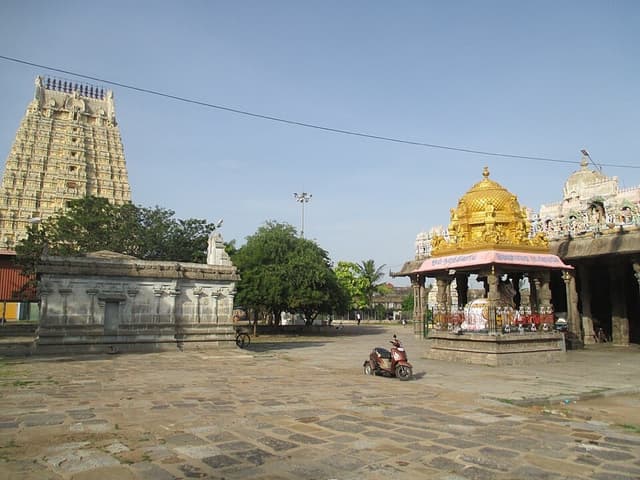
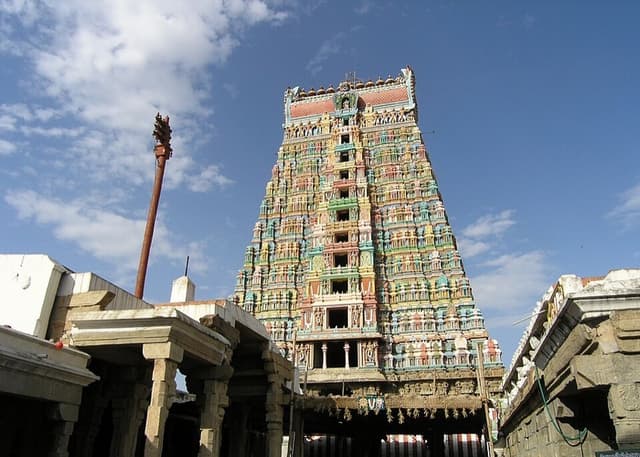
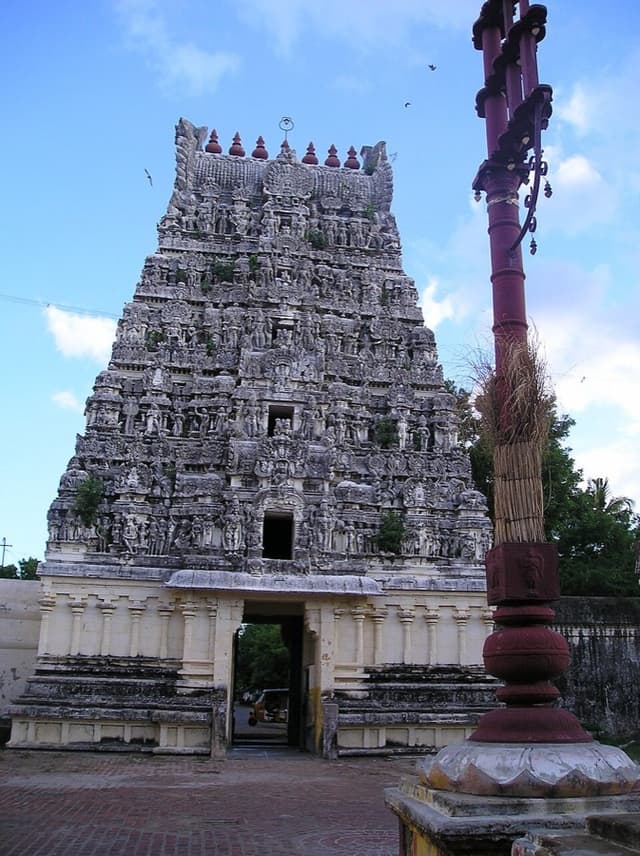
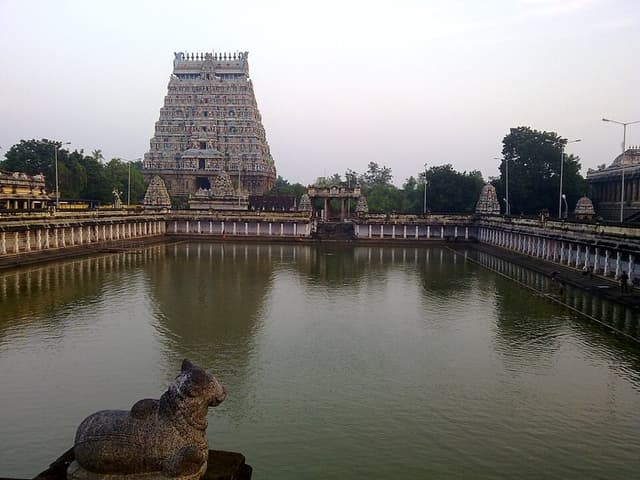
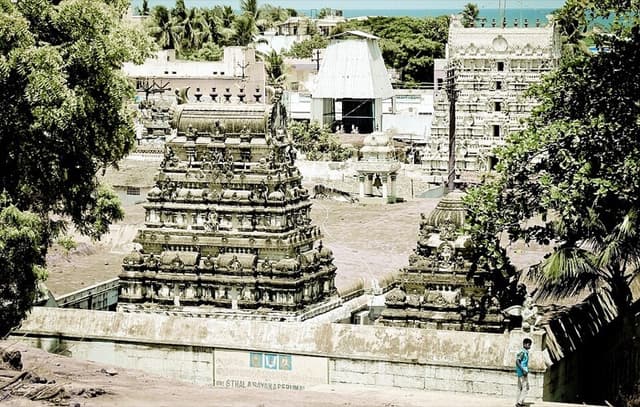
The temple architecture follows the South Indian Drāviḍa tradition, with a gopuram (gateway tower), praṅka (circumambulatory path), and sanctum sanctorum. Historical layers span multiple dynasties including the Pallavas, Cholas, and Vijayanagara Nayakas.
Sources
This entry is a canonical stub awaiting enrichment. When expanded, it will contain:
- Stated sthalapurāṇa (temple legend)
- Āḻvār pasuram quotations
- Dynastic construction history
- ASI or temple trust architectural notes
- Festival calendar
Wisdom Graph: Divine Associations
- Sacred colours
- goldsaffron
Sources & provenance
- 📜Primary sourceWikipediaDivya Desam — Wikipedia (permalink)Permalink to revision 1376685759 (2026-09-25). Cited for the canonical #5 position in the 108 Divya Desam list and for the Āḻvār period (5th–8th c. CE). Used as a finding aid per SOURCES_POLICY rule 5.Retrieved 2026-09-28View source →
- 📜Primary sourceBookNālāyira Divya Prabandham (Āḻvār pasuram for this shrine)The hymns are the primary attestation that this shrine was venerated as a Divya Desam. They carry a devotional date, not a constructional one. Text not yet transcribed into this entry.
- 🎓Scholarly sourceWikipediaNālāyira Divya Prabandham — Wikipedia (permalink)Permalink to revision 1376779123 (2026-09-26). Gives the compilation period (9th–10th c. CE) and the extent of the collection (c. 4,000 verses).View source →