

Primary Scriptures
0 sourcesNo primary scriptures are catalogued for this entry yet. If you know of scriptural references we have missed, please contribute them.
The Bible
[BEGINNER]
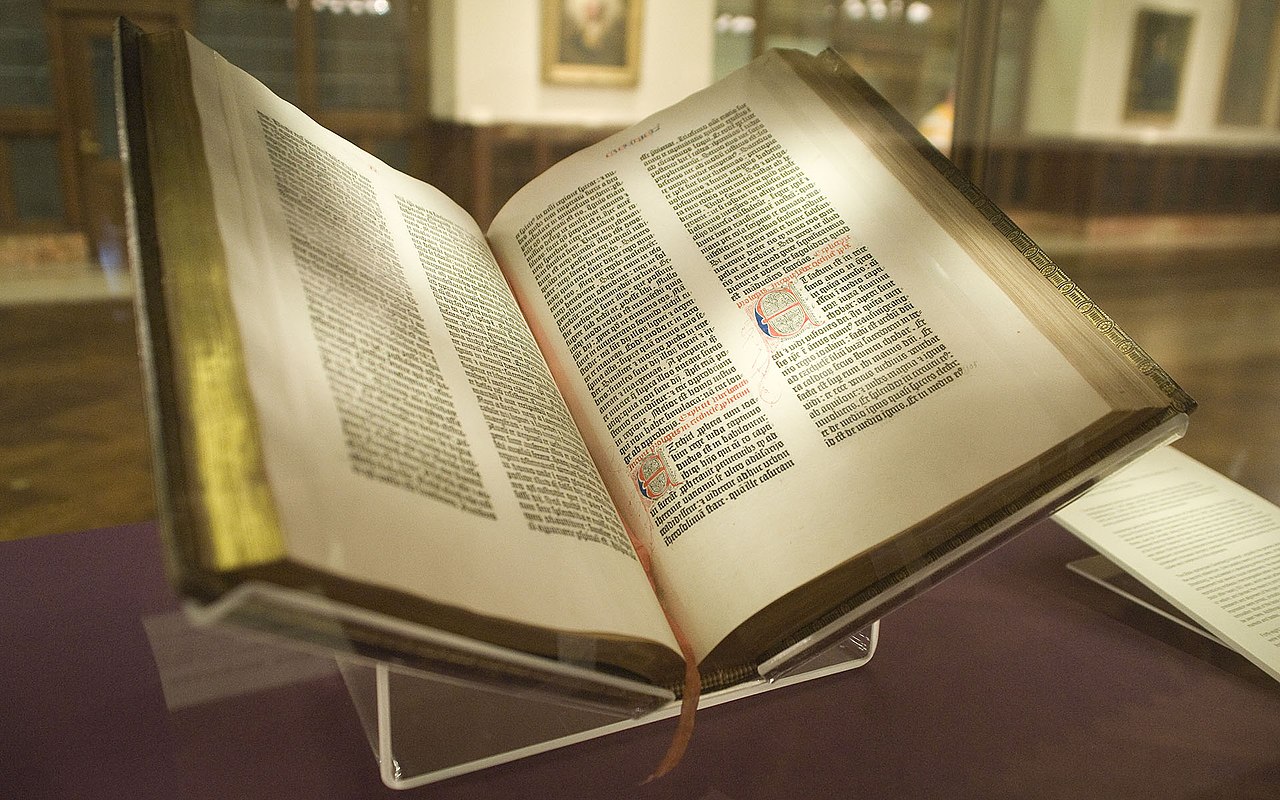
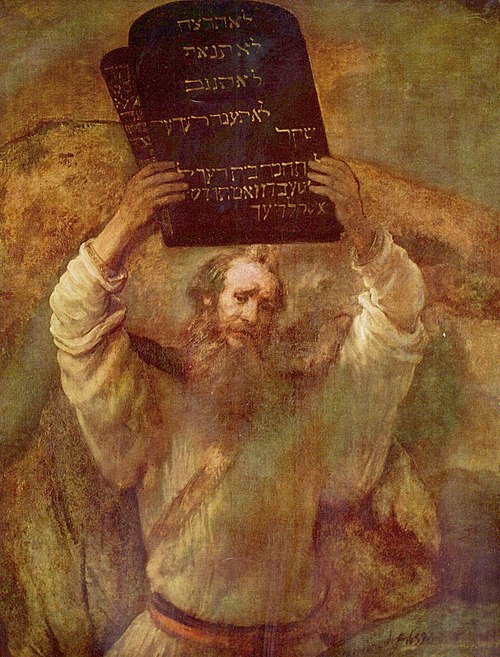
The Bible — from Greek biblia, "books" — is Christianity's scripture: a library of 66 books (Protestant canon; Catholic and Orthodox canons add the deuterocanonical books) in two parts. The Old Testament (creation, the patriarchs, Moses and the Law, the prophets, the psalms — shared with Judaism's Hebrew Bible) tells of God's covenant with Israel. The New Testament (four Gospels, Acts, epistles, Revelation) tells of Jesus Christ — his life, death, resurrection — and the early Church. Christians read it as God's inspired word; the centre that holds it together is Christ.
[INTERMEDIATE]
The Bible in India is older than European missions. The St. Thomas Christians prayed the Syriac Peshitta for over fifteen centuries — Malayalam-speaking congregations chanting Aramaic, the language of Jesus himself. Print brought translation: William Carey's Bengali New Testament (1801, Serampore), the first complete Malayalam Bible (1841, Hermann Gundert's Basel Mission circle), Tamil (Fabricius–Beschi lineage, completed 18th century), Marathi (Pandita Ramabai's translation, 1920s), Hindi, and in the 20th century dozens of tribal-language New Testaments — among the largest Bible-translation enterprises in the world.
Indian Christians read the Bible in Sunday liturgy (lectionaries in Syriac-Malayalam, Latin-Konkani, Tamil, Hindi), family prayer, and retreat preaching; the Psalms double as funeral and festival hymns across rites. The Sermon on the Mount (Matthew 5–7) and the Good Shepherd (John 10) are the most preached texts in Indian pulpits.
[SCHOLAR]
India's Bible history is a translation-studies landmark: missionary linguists created grammars, dictionaries, and printing types for languages that had never been printed — Tamil type at Tranquebar (1712), Malayalam, Kannada, Marathi — making the Bible the first printed book in several Indian languages. Contemporary debates (inclusive language, Dalit and tribal readings, Syriac-rite lectionary reform) keep Indian biblical scholarship active in seminaries from Kottayam to Serampore.
Sources & provenance
- 📜
- 📜Primary sourceBook