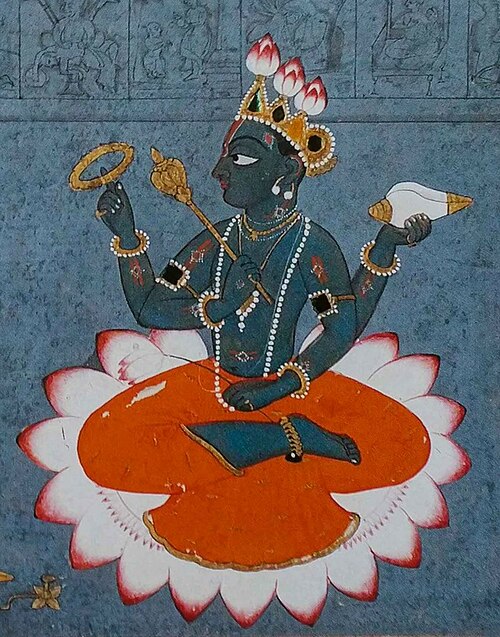
Sacred Facts · At a Glance
- Element
- water
Primary Scriptures
0 sourcesNo primary scriptures are catalogued for this entry yet. If you know of scriptural references we have missed, please contribute them.
Vaiṣṇava Āgamas: The Pāñcarātra & Vaikhānasa Canons
"Pāñcarātrasya kṛtsnasya vaktā nārāyaṇaḥ svayam" — "Of the entire Pāñcarātra system, Lord Nārāyaṇa Himself is the promulgator." (Mahābhārata, Śānti Parva 349.68)
Overview
Across South and North India, the architecture, iconometry (śilpa), consecration (pratiṣṭhā), daily liturgy (nityārcana), and annual festivals (brahmotsava) of Viṣṇu–Nārāyaṇa temples are governed by two ancient Sanskrit scriptural canons collectively termed the Vaiṣṇava Āgamas:
- The Vaikhānasa Āgama: Rooted directly in the Vedic Taittirīya Śākhā of the Kṛṣṇa Yajurveda and the Vaikhānasa Kalpasūtra, attributed to the primal sage Vikhanas and his four disciples (Marīci, Atri, Kāśyapa, and Bhṛgu). It governs daily worship at Tirumala Veṅkaṭeśvara Temple, Pārthasārathi Temple (Triplicane), and hundreds of ancient Divya Desams.
- The Pāñcarātra Āgama (Bhāgavata-Śāstra): A vast corpus of over 108 Sanskrit Saṁhitās revealed by Nārāyaṇa during the cosmic "Five Nights" (Pañcarātra — interpreted in the Śatapatha Brāhmaṇa 13.6.1 and Ahirbudhnya Saṁhitā as the fivefold knowledge neutralizing the five gross elements or uniting the five aspects of divine manifestation). Defended as fully Vedic in Yāmunācārya's Āgamaprāmāṇya and Rāmānuja's Śrībhāṣya (2.2.42–45), it governs worship at Śrīraṅgam Ranganāthasvāmī Temple, Kāñcīpuram Varadarāja Perumāḷ Temple, and Melkote Cheluvanārāyaṇa Temple.
The Fourfold Structure (Catuṣpāda) of Āgamic Literature
Like the Śaiva Āgamas, comprehensive Pāñcarātra Saṁhitās (such as the Pādma Saṁhitā) organize sacred knowledge into four pādas:
- Jñāna-pāda (Theology & Metaphysics): Expounds the nature of Brahman (Vāsudeva-Nārāyaṇa), His inseparable creative potency Lakṣmī (Śrī / Śakti), the six divine attributes (ṣaḍ-guṇa: jñāna, aiśvarya, śakti, bala, vīrya, tejas), and cosmic emanation.
- Yoga-pāda (Meditative Internalization): Details eightfold aṣṭāṅga-yoga, prāṇāyāma, nyāsa (ritual placement of mantras on the body), and inner worship (mānasa-yāga / antaryāga).
- Kriyā-pāda (Architecture & Consecration): Prescribes site selection (bhū-parīkṣā), temple layout (prāsāda-vāstu), sculpting of stone, bronze, and wooden icons (bimba-lakṣaṇa), and the grand consecration rite (mahā-samprokṣaṇam / prāṇa-pratiṣṭhā).
- Caryā-pāda (Daily Liturgy & Festivals): Codifies the five daily liturgical periods (pañcakāla-prakriyā), the sixteen or thirty-two services (upacāras), dīkṣā (initiation), and utsavas (chariot and float festivals).
Core Theological Doctrines
1. The Five Modes of Divine Presence (Pañca-prakāra)
Pāñcarātra theology teaches that the Supreme Lord makes Himself accessible in five simultaneous forms:
- Para (Transcendent): Supreme Vāsudeva enthroned with Śrī, Bhū, and Nīlā in eternal Śrī Vaikuṇṭha (Nityavibhūti).
- Vyūha (Cosmic Emanation): The fourfold cosmic differentiation (Catur-Vyūha) through which creation, preservation, dissolution, and scriptural revelation proceed:
- Vāsudeva (possessing all six guṇas in fullness)
- Saṅkarṣaṇa (jñāna & bala — governing cosmic contraction and the revelation of śāstra)
- Pradyumna (aiśvarya & vīrya — governing cosmic creation and pure dharma)
- Aniruddha (śakti & tejas — governing cosmic preservation and liberation)
- Vibhava (Incarnational Descent): The ten primary Avatāras (Matsya to Kalki) and thirty-nine prādurbhāvas documented in the Sāttvata and Ahirbudhnya Saṁhitās.
- Antaryāmī (Inner Controller): The subtle indwelling witness residing in the lotus of the heart (daharākāśa) of every sentient being.
- Arcā (Consecrated Icon): The Lord's gracious descent into the material image (mūrti) in temples and homes, accepting the devotee's physical care and gaze (darśana).
2. The "Three Gems" (Ratnatraya) & Major Saṁhitās
| Canon | Primary Texts | Liturgical Distinction |
|---|---|---|
| Pāñcarātra ("Three Gems" & Derivatives) | Sāttvata Saṁhitā, Pauṣkara Saṁhitā, and Jayākhya Saṁhitā (the three foundational divya texts), interpreted by the three temple manuals: Īśvara Saṁhitā (used at Melkote), Pārameśvara Saṁhitā (used at Śrīraṅgam), and Pādma Saṁhitā (used at Kāñcīpuram); plus Ahirbudhnya Saṁhitā and Lakṣmī Tantra (emphasizing Śrī as Supreme Śakti). | Requires specific Pāñcarātra Dīkṣā (pañca-saṁskāra); employs Tantric-Vedic bīja mantras alongside Vedic hymns and the Tamil Nālāyira Divya Prabandham. |
| Vaikhānasa (Four Rṣi Canons) | Vimānārcanākalpa (prose manual of Marīci), Jñānākāṇḍa (Kāśyapa), Samūrtārcanādhikaraṇa (Atri), and Kriyādhikāra / Khilādhikāra (Bhṛgu). | Hereditary Vedic lineage (garbha-vaiṣṇava via prenatal Viṣṇubali sacrament); invokes only pure Vedic mantras from the Vaikhānasa Mantra-Praśna and Taittirīya corpus around the fivefold Pañcamūrti (Viṣṇu, Puruṣa, Satya, Acyuta, Aniruddha). |
Sources & provenance
- 📜Primary sourceBookF. Otto Schrader. Introduction to the Pāñcarātra and the Ahirbudhnya Saṁhitā (1916)
- 📜Primary sourceJ. A. B. van Buitenen (tr.).