


Sacred Facts · At a Glance
- Element
- earth
Primary Scriptures
0 sourcesNo primary scriptures are catalogued for this entry yet. If you know of scriptural references we have missed, please contribute them.
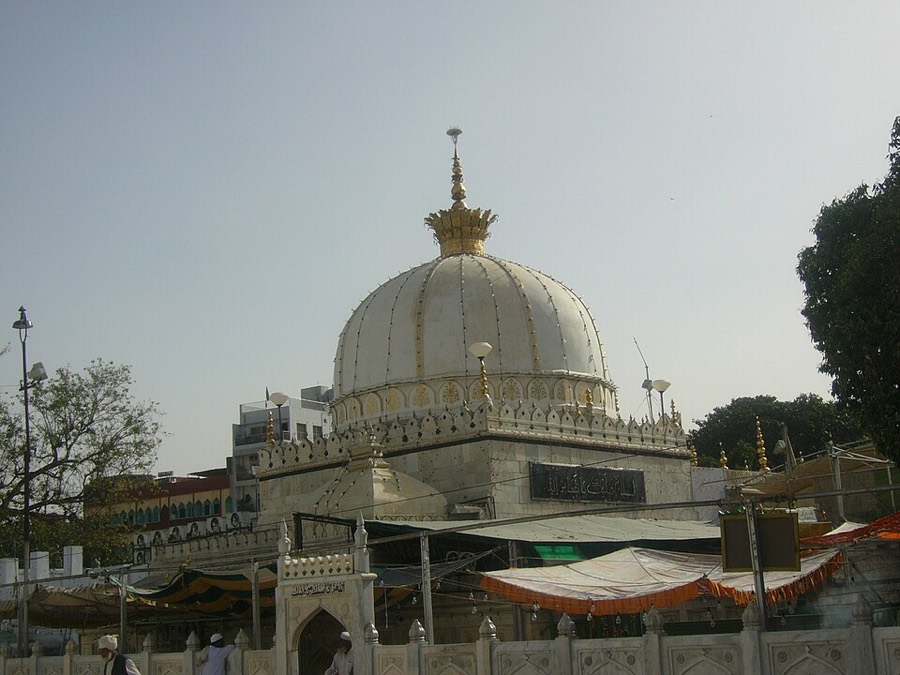
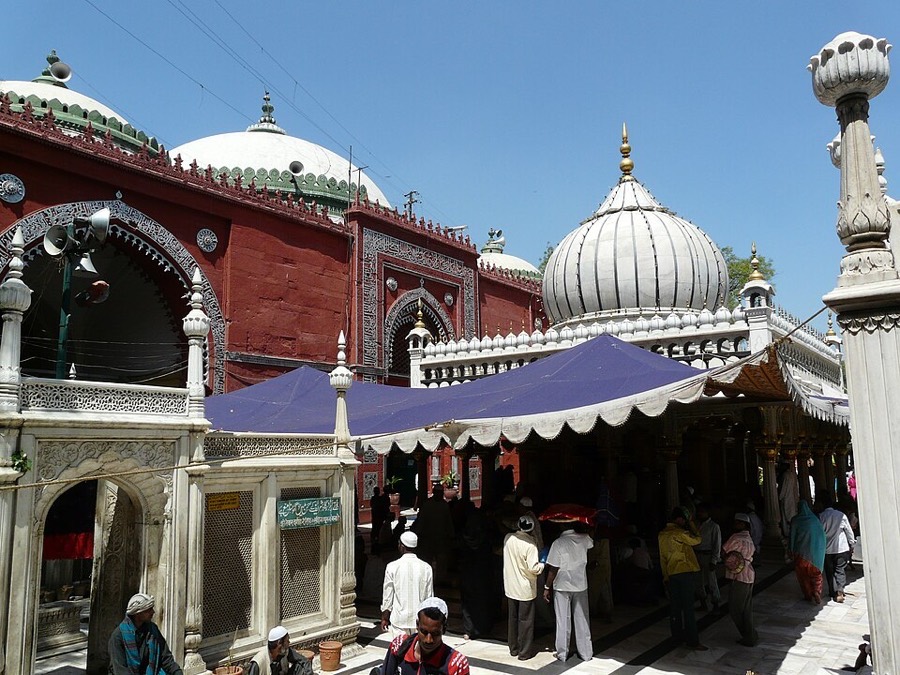
Ajmer Sharif Dargah
The Madina of India
Khwaja Moinuddin Chishti came from Khurasan to India around the turn of the 13th century, settled at Ajmer, fed the poor from a mud hut, and died in 1236. He is remembered as Gharib Nawaz — Friend of the Poor. His dargah is the beating heart of Indian Sufism: emperors and sweepers queue at the same door, and the shrine's own motto holds that kings and commoners are treated alike.
The Complex
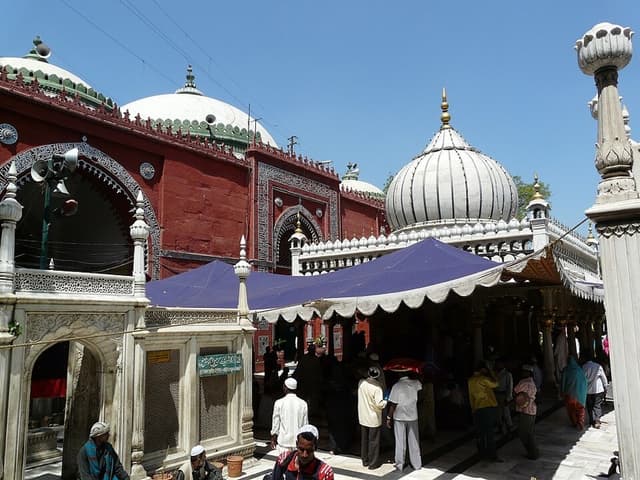
- The tomb chamber: the marble-screened grave draped in chadars (offered sheets), crowned by a silver-plated dome; pilgrims offer flowers, perfume (ittar), and prayers.
- The degs: two gigantic cauldrons — Akbar's (1568, after the Chittorgarh campaign) and Jahangir's — in which sweet rice (tabarruk) is cooked for thousands during Urs.
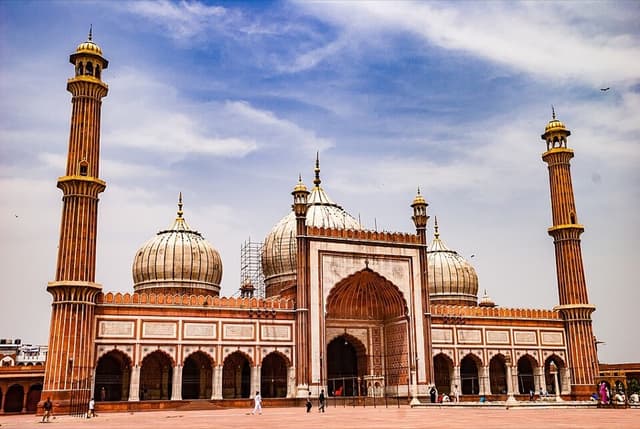
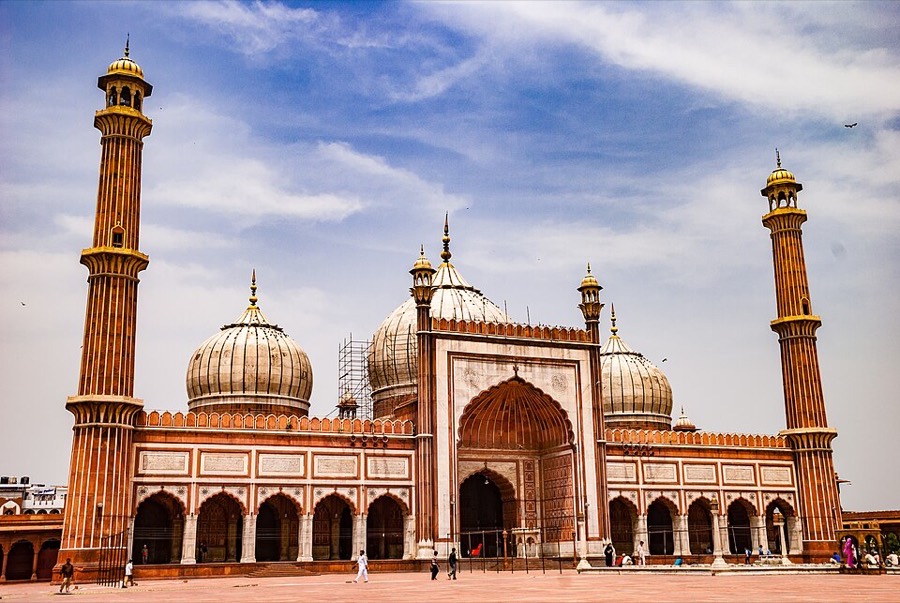
- Akbari Masjid (red sandstone, early 1570s) and Shah Jahan's Jami Masjid (white marble, 1637); the Ahaata-e-Noor courtyard where qawwals sing; the Jhalara sacred tank.
- Buland Darwaza and bazaars of flowers, chadars, and sandalwood paste outside the Nizam Gate.
The Urs
Each year from the 1st to the 6th of Rajab (Islamic calendar), Ajmer hosts one of the world's great religious fairs: the saint's death anniversary, celebrated as a wedding with the Divine. Qawwali all night, torchlit processions, the deg-feeding, and pilgrims arriving on foot from villages hundreds of kilometres away. Ajmer's epithet — Madinat-ul-Hind, the Madina of India — is earned in this week.
Visiting
- Open to all faiths; the shrine estimates millions of visitors yearly, a large share non-Muslim.
- Cover the head (scarves provided), remove shoes, be prepared for crowds and insistent guides — fix any guide fee in advance.
- Qawwali in the courtyard — the Chishti tradition of sama (spiritual listening) — is the soul of the visit; Thursday evenings are liveliest.
Sources & provenance
- 📜
- 📜Primary source