



Sacred Facts · At a Glance
- Element
- water
Primary Scriptures
0 sourcesNo primary scriptures are catalogued for this entry yet. If you know of scriptural references we have missed, please contribute them.
Cheraman Juma Mosque
India's First Mosque — By Tradition, Fourteen Centuries Old
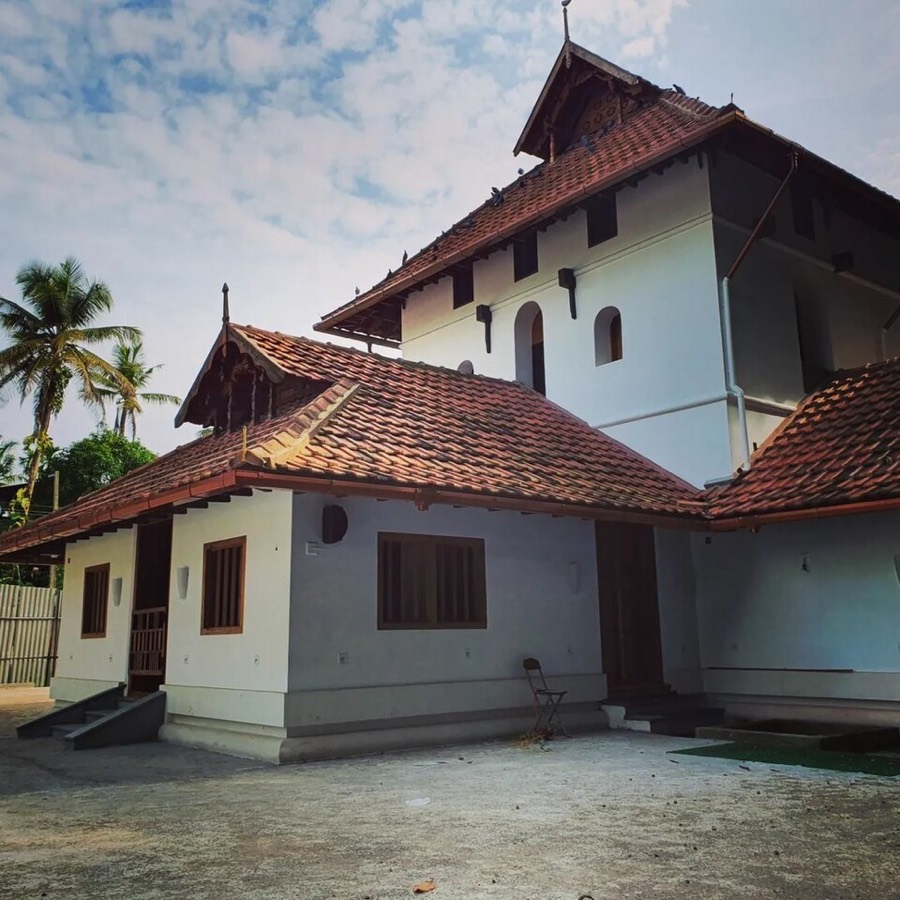
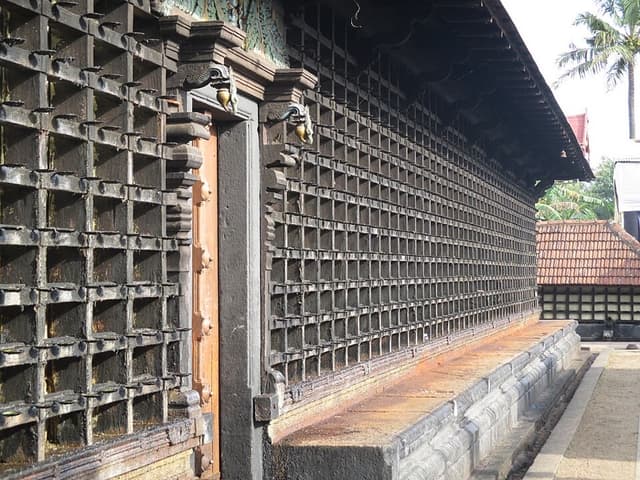
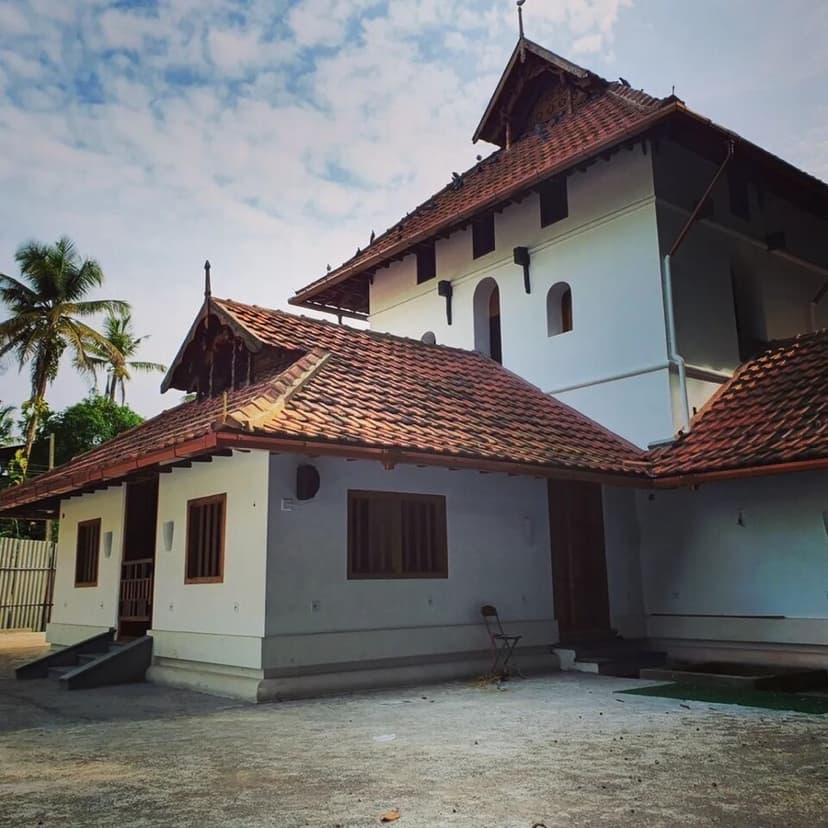
On the Muziris coast at Kodungallur — the ancient port the Romans called Muziris, where pepper made kings — stands a mosque built of teak and laterite in the Kerala temple style, with hanging lamps instead of domes. Tradition dates it to 629 CE, within the lifetime of Prophet Muhammad himself.
The Legend Pilgrims Honour
The last Chera king, Cheraman Perumal, saw in a dream the moon split in two. Arab merchants at his port told him this was the miracle of a prophet in Arabia. The king sailed to meet Muhammad, embraced Islam, and — dying on the return journey near Salalah (Oman) — sent his companion Malik bin Dinar home with letters commanding his chieftains to receive Islam's teachers. The mosque at Kodungallur was the first fruit.
Historians note the story cannot be fully verified — architectural study suggests parts of the fabric may be as late as the 14th–15th century — and this entry records both the tradition and the doubt, as Kerala Tourism and the mosque's own committee do. What is certain: a Muslim community worshipped here a thousand years ago, and an oil lamp in the sanctum is believed to have burned continuously since the founding.
Architecture
No onion domes, no minarets in the original fabric — the mosque follows Kerala-Islamic (Vastu-inflected) wooden architecture: tiled gabled roofs, carved teak pillars, a traditional lamp-row (vilakku), and a pulpit of rosewood. Later additions (a dome and minarets, 1994–2022) were removed in the 2022 restoration to recover the heritage profile. The complex now includes a museum of Islam in Kerala and forms part of the Muziris Heritage Project.
Visiting
- Juma prayers draw the faithful every Friday; people of all religions visit through the week and are shown the ancient lamp and pulpit.
- Custom: remove footwear, dress modestly, ask the committee before photographing worshippers.
- Nearby: Kodungallur Bhagavathy Temple, the Kottayil Kovilakam palace, and the Muziris heritage circuit — Hindu, Muslim, Christian, and Jewish histories within a few kilometres, as for two thousand years.
Sources & provenance
- 📜
- 📜Primary source