Historical Period1c CE
Built 1856; enlarged 1885–86; restored by ASI around 2000 and by the community 2015–17
3000 BCEEpic & Early ClassicalPresent
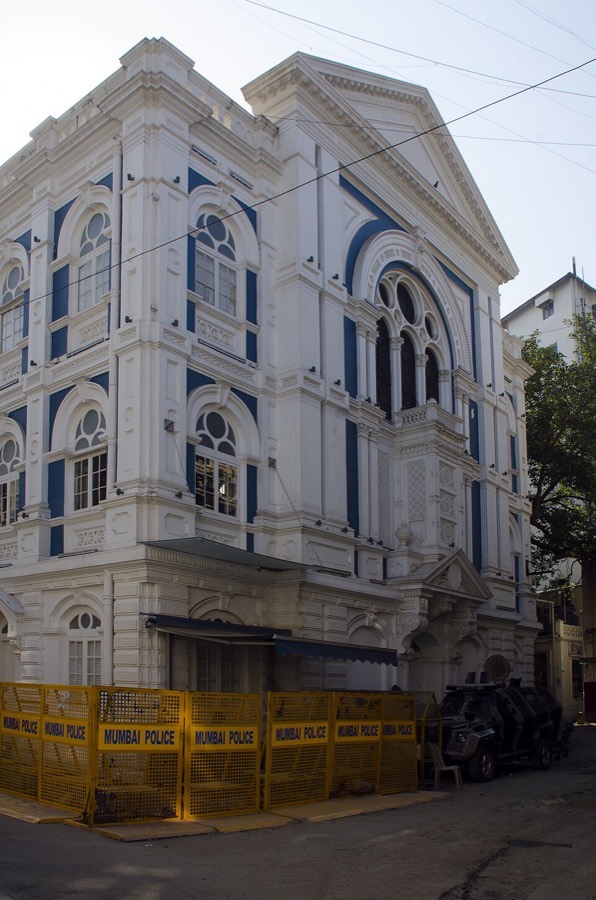
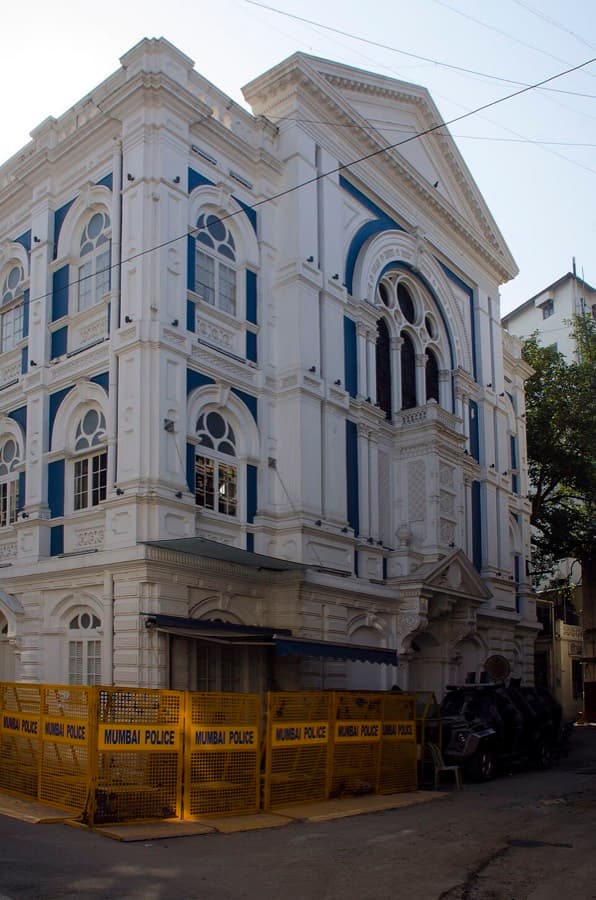
Beth El (1856) — Kolkata's Baghdadi synagogue on Pollock Street, built by David Joseph Ezra and Ezekiel Judah. ASI-protected Monument of National Importance, kept by Muslim caretakers for a community of twenty.
An editorial reading of the site, woven from its architectural, historical, and scriptural data.
In Pollock Street, central Kolkata, West Bengal, Beth El Synagogue, Pollock Street, Kolkata — a built 1856; enlarged 1885–86; restored by asi around 2000 and by the community 2015–17 site — beth El (1856) — Kolkata's Baghdadi synagogue on Pollock Street, built by David Joseph Ezra and Ezekiel Judah. ASI-protected Monument of National Importance, kept by Muslim caretakers for a community of twenty.
The earliest event recorded here is construction, 1856. Through the centuries, the temple witnessed protection and restoration. Funded by Baghdadi merchants David Joseph Ezra and Ezekiel Judah for a congregation grown rich on indigo, silk, and trade.
Construction, 1856
01Walk the pradakshina path. Note the earliest event recorded here — construction, 1856.
02The tradition here is jewish. Sit. Listen. The darshan is its own teaching.
Other sites derived from shared frontmatter data — tradition, era, region, or built form.
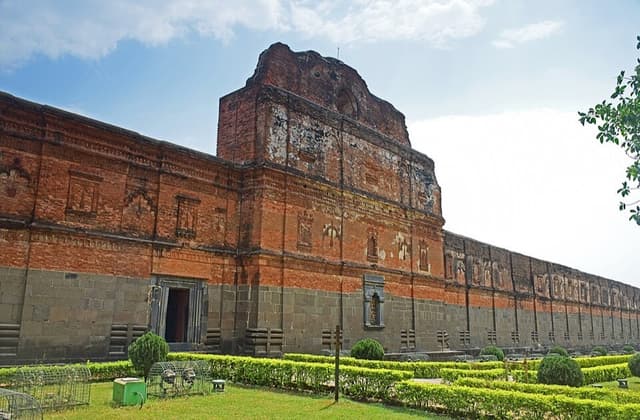
Pandua (Hazrat Pandua/Firozabad), Malda, West Bengal
Baidyanath, Darjeeling, West Bengal
54A AJC Bose Road, Kolkata, Kolkata, West Bengal
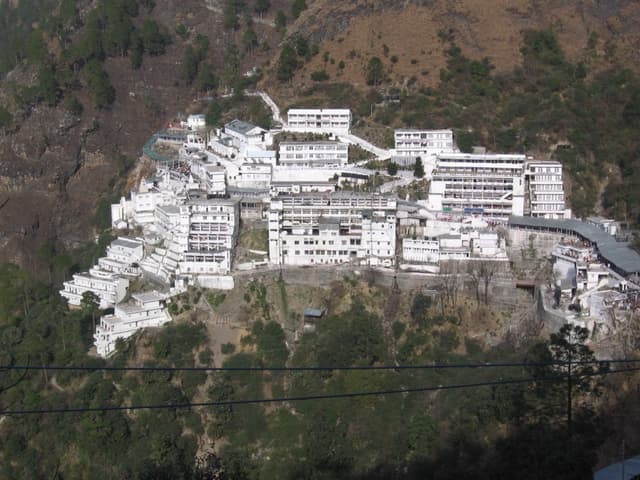
Kalighat, Kolkata, West Bengal
No primary scriptures are catalogued for this entry yet. If you know of scriptural references we have missed, please contribute them.
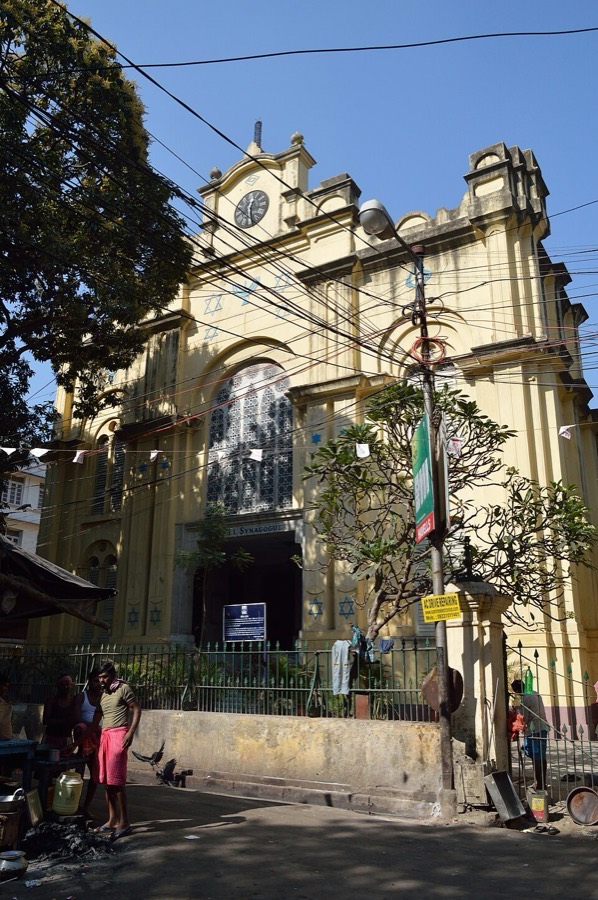
In the commercial heart of old Calcutta — among bag-traders' godowns off Brabourne Road — stands Beth El ("House of God"), raised in 1856 by the Baghdadi Jewish merchants who made the colonial capital their own. With Magen David (1883–84, the grandest synagogue in the East) and Neve Shalom (1825, rebuilt 1911), it anchors a triangle of Jewish Kolkata now tended mostly by memory.
The first settler, Shalom Obadiah Cohen of Aleppo, arrived in 1798; Ezekiel Judah's scholarship and the Ezra family's commerce built the institutions — synagogues, schools, cemetery, a yeshiva tradition. At its height the community numbered in the thousands, Judeo-Arabic speaking, fiercely orthodox, deeply Calcuttan. After the 1950s, emigration (to Israel, England, Australia) hollowed it: by 2015 perhaps twenty Jews remained.
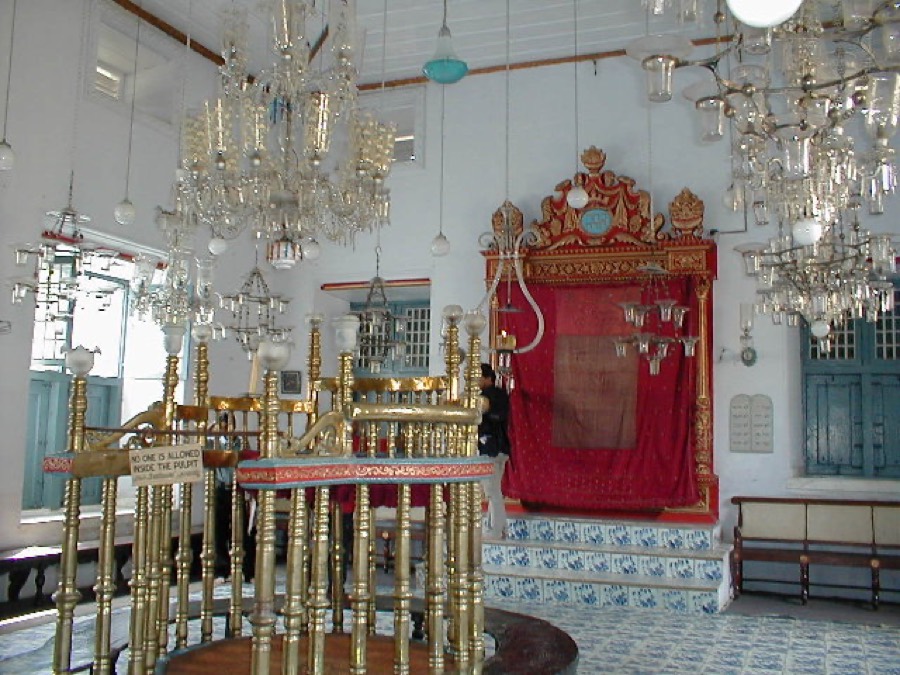
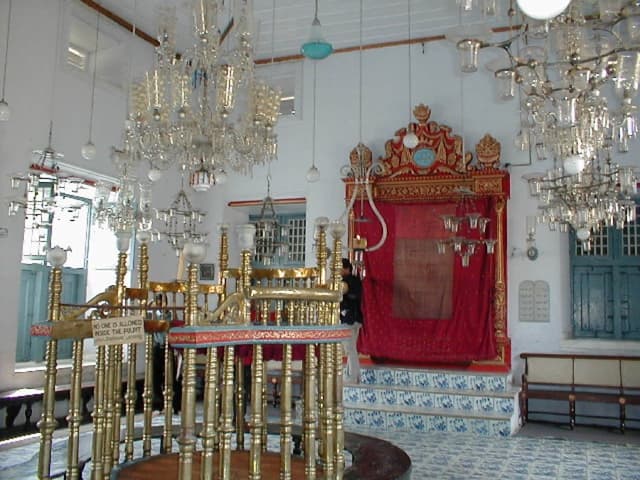
A dignified neoclassical prayer hall with women's gallery, ark, and bimah — enlarged in 1885–86, restored twice (ASI around 2000; the community itself in 2015–17, rededicated with Torah scrolls from Jerusalem). It no longer holds daily services — a resident lights the Sabbath lamp; holidays still gather a minyan — but caretakers open it on weekdays, with a small exhibition on the women's gallery telling the Baghdadi story.