108 Divya Desams
10
Chola Nadu
← 9. Thirukavithalam (Gajendra Varadha)11. Thiruaadhanur →
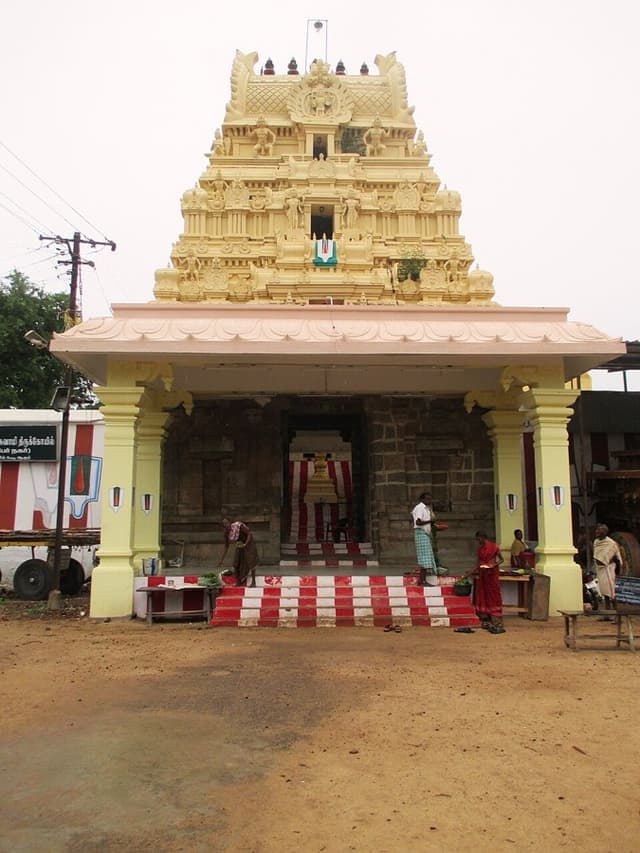
Thiruppullamboothangudi
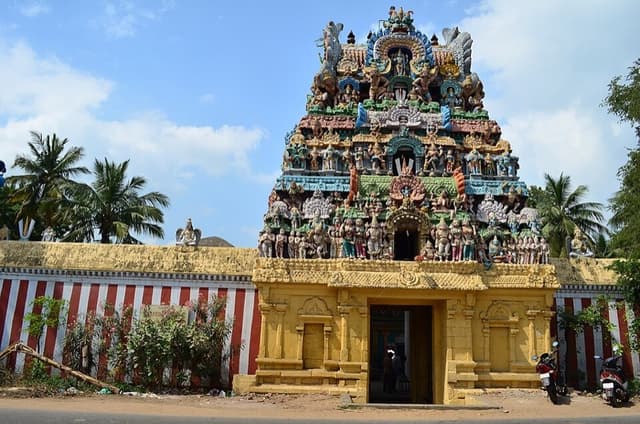
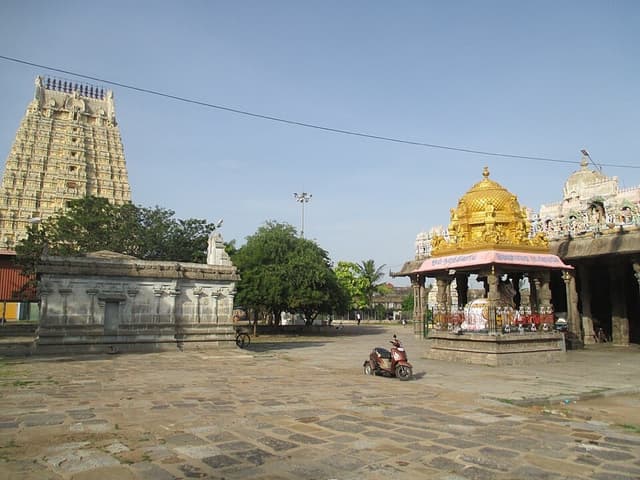
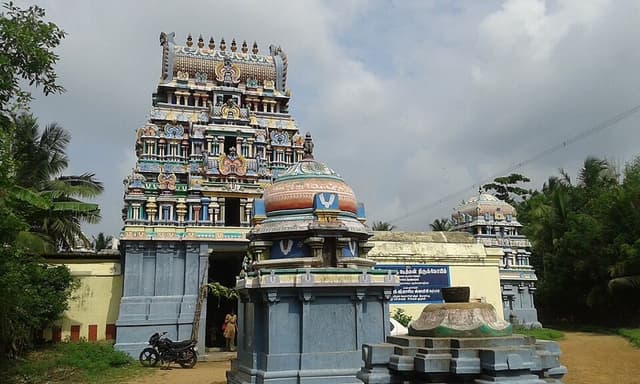
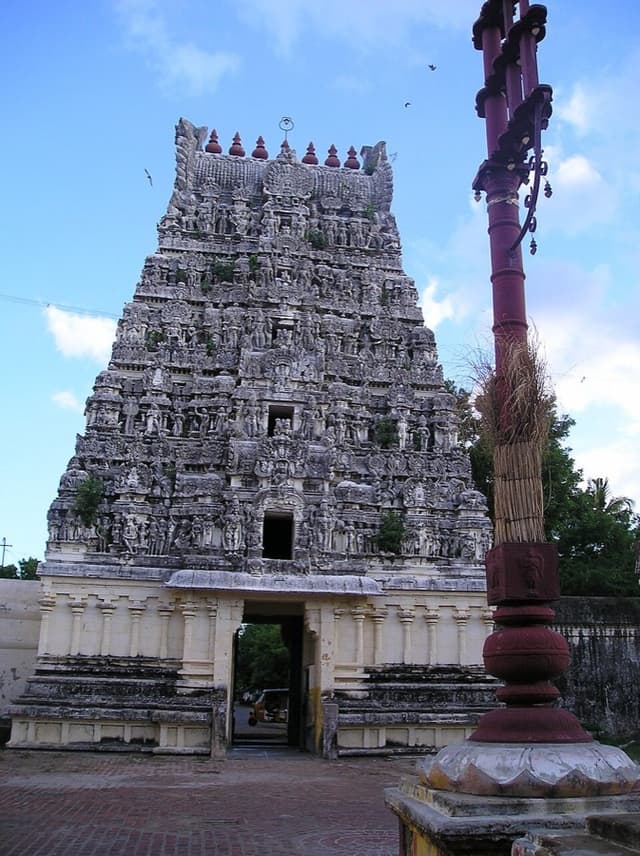
📷 Ssriram mt · [CC BY-SA 4.0](https://creativecommons.org/licenses/by-sa/4.0) · source
PullamboothangudiTamil Nadu
Attested from the Āḻvār pasuram in the Nālāyira Divya Prabandham (Āḻvārs 5th–8th c. CE; collection compiled 9th–10th c. CE). Present structure is later; no construction date is recorded.
A Temple Record

Thiruppullamboothangudi

HinduVaishnavaDivya Desam
Enter the Record
↓
I.Overview

A Sacred Site

In Pullamboothangudi, Tamil Nadu, there stands Thiruppullamboothangudi — one of 108 Divya Desams. Sri Vaishnava pilgrimage temple in the Chola Nadu region.

मन्त्रOm Namo NarayanayaSacred Mantra
§Sacred Mantra
·

Om Namo Narayanaya

··
The Sacred Syllable

Recite softly. Let the syllables settle. The mantra is the shortest path between the devotee and the divine.

II.Architecture

The Built Form

Dravidian (Pandya-Chola)

Construction Material

granite

One of 108 Divya Desams

IV.Elements

Sacred Elements

The colours, creatures, and offerings that mark this site.

Sacred Colours

gold
saffron
X.Sacred Story

A Temple Record

An editorial reading of the site, woven from its architectural, historical, and scriptural data.

In Pullamboothangudi, Tamil Nadu, Thiruppullamboothangudi — a attested from the āḻvār pasuram in the nālāyira divya prabandham (āḻvārs 5th–8th c. ce; collection compiled 9th–10th c. ce). present structure is later; no construction date is recorded. site — one of 108 Divya Desams. Sri Vaishnava pilgrimage temple in the Chola Nadu region.

§Reading the Built Form

Built in the Dravidian (Pandya-Chola) tradition. One of 108 Divya Desams

Om Namo Narayanaya
§A Visitor's Approach

01Walk the pradakshina path. Let the silence settle.

02Chant the mantra softly: Om Namo Narayanaya.

03The tradition here is hindu. Sit. Listen. The darshan is its own teaching.

§Practical Notes
3 மேற்கோள் ஆதாரங்கள்
1 இணைக்கப்பட்ட திருக்கதைகள்
§Sacred Connections

Other sites derived from shared frontmatter data — tradition, era, region, or built form.

View all sacred connections →
Historical Period8c CE
Attested from the Āḻvār pasuram in the Nālāyira Divya Prabandham (Āḻvārs 5th–8th c. CE; collection compiled 9th–10th c. CE). Present structure is later; no construction date is recorded.
3000 BCE8th century CEPresent

Sacred Facts · At a Glance

Mantra
Om Namo Narayanaya
Sacred Colours
goldsaffron

Primary Scriptures

0 sources

No primary scriptures are catalogued for this entry yet. If you know of scriptural references we have missed, please contribute them.

Thiruppullamboothangudi

One of the 108 Divya Desams — the sacred abodes of Vishnu glorified in the Naalāyira Divya Prabandham (4,000 Tamil hymns) composed by the 12 Āḻvār saints between the 6th and 9th centuries CE.

Deity

The presiding deity is Rama Perumal, worshipped here in a unique mūrti (iconographic form) specific to this temple. The goddess (Thāyār) holds a separate sanctum within the same precinct.

Region

This temple belongs to the Chola Nadu division of the Divya Desam sacred geography.

Architecture & History

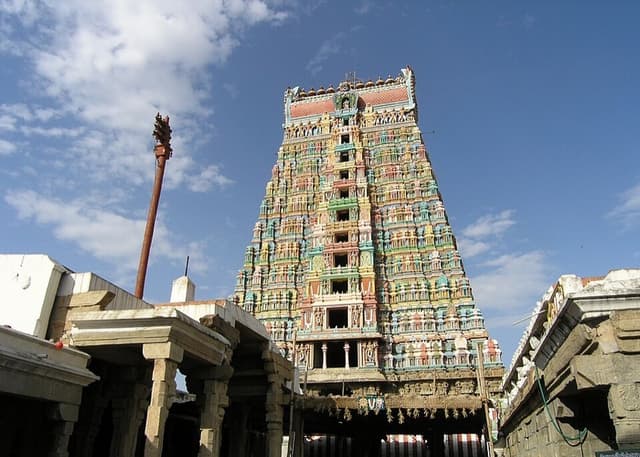
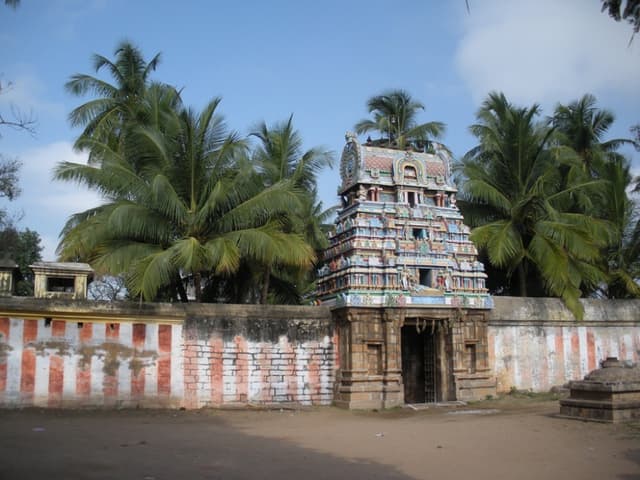
The temple architecture follows the South Indian Drāviḍa tradition, with a gopuram (gateway tower), praṅka (circumambulatory path), and sanctum sanctorum. Historical layers span multiple dynasties including the Pallavas, Cholas, and Vijayanagara Nayakas.

Sources

This entry is a canonical stub awaiting enrichment. When expanded, it will contain:

  • Stated sthalapurāṇa (temple legend)
  • Āḻvār pasuram quotations
  • Dynastic construction history
  • ASI or temple trust architectural notes
  • Festival calendar
❀

Wisdom Graph: Divine Associations

MantraOm Namo Narayanaya
Sacred colours
goldsaffron

Sources & provenance

📜 2 Primary🎓 1 Scholarly
  • 📜
    Primary sourceWikipedia
    Divya Desam — Wikipedia (permalink)
    Permalink to revision 1376685759 (2026-09-25). Cited for the canonical #10 position in the 108 Divya Desam list and for the Āḻvār period (5th–8th c. CE). Used as a finding aid per SOURCES_POLICY rule 5.
    Retrieved 2026-09-28
    View source →
  • 📜
    Primary sourceBook
    Nālāyira Divya Prabandham (Āḻvār pasuram for this shrine)
    The hymns are the primary attestation that this shrine was venerated as a Divya Desam. They carry a devotional date, not a constructional one. Text not yet transcribed into this entry.
  • 🎓
    Scholarly sourceWikipedia
    Nālāyira Divya Prabandham — Wikipedia (permalink)
    Permalink to revision 1376779123 (2026-09-26). Gives the compilation period (9th–10th c. CE) and the extent of the collection (c. 4,000 verses).
    View source →