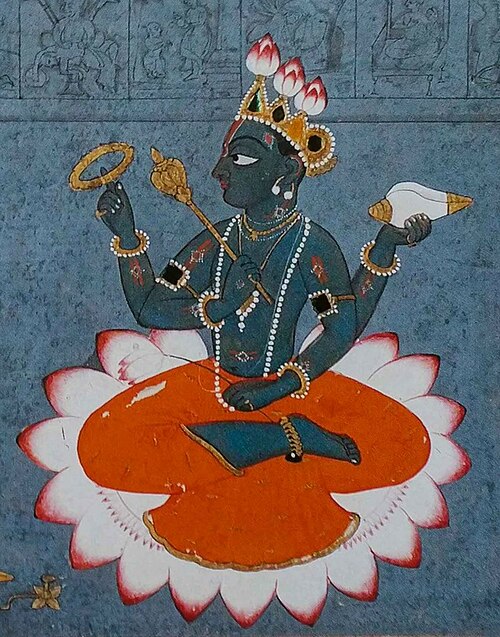
Gītagovinda of Jayadeva (गीतगोविन्द — Song of the Dark Cowherd Lord)
"यदि हरिस्मरणे सरसं मनो यदि विलासकलासु कुतूहलम् । मधुरकोमलकान्तपदावलीं शृणु तदा जयदेवसरस्वतीम् ॥"
— "If your heart delights in remembering Hari, and if you are curious about the arts of divine love's play, then listen to the eloquence of Jayadeva — sweet, tender, and luminous in every syllable." (Gītagovinda 1.4)
Overview
Composed in the late 12th century CE by the saint-poet Jayadeva in the orbit of the Jagannātha Temple at Purī (Odisha) during the Eastern Gaṅga dynasty, the Gītagovinda ("Song of Govinda") is one of the most influential works in the history of Sanskrit poetry, Indian classical music, and Vaiṣṇava theology.
Structured into 12 cantos (sargas) containing 24 rhymed, refrain-driven eight-stanza songs (aṣṭapadīs) framed by classical Sanskrit metrical verses (ślokas in śārdūlavikrīḍita, vasantatilakā, śikhariṇī, and hariṇī), the poem dramatizes the vernal separation (vipralambha-śṛṅgāra), longing, jealousy (māna), mediation by the confidante (sakhī — the archetype of the spiritual teacher or ācārya), and ecstatic reunion (sambhoga-śṛṅgāra) of Rādhā and Śrī Kṛṣṇa (Mādhava) on the banks of the Yamunā in Vṛndāvana.
Structural & Musical Architecture (12 Sargas, 24 Aṣṭapadīs)
- Opening Theophany — The Daśāvatāra Stotra (Sarga 1, Aṣṭapadī 1):
Before entering the pastoral groves of Vṛndāvana, Jayadeva anchors Kṛṣṇa's cosmic sovereignty in the celebrated hymn to the Ten Incarnations (Pralaya-payodhi-jale... Keśava dhṛta-mīna-śarīra jaya jagadīśa hare), identifying Jagadīśa Hari as the source from whom all ten avatāras (Matsya, Kūrma, Varāha, Narasiṁha, Vāmana, Paraśurāma, Rāma, Haladhara/Balarāma, Buddha, Kalki) proceed.
- Dramatic Trajectory Across the 12 Cantos:
- Sargas 1–4 (Sāmoda-Dāmodara to Snigdha-Madhusūdana): Spring awakens in Vṛndāvana; Rādhā grieves over Kṛṣṇa's universal dance with the cowherd maidens, while Kṛṣṇa himself withdraws in remorse (kāṁsāri yearning purely for Rādhā).
- Sargas 5–7 (Sākāṅkṣa-Puṇḍarīkākṣa to Nāgara-Nārāyaṇa): The sakhī moves back and forth between the bower of Kṛṣṇa and the lonely grove of Rādhā, describing each lover's viraha (anguish of separation).
- Sargas 8–10 (Vilakṣa-Lakṣmīpati to Catura-Caturbhuja): After a sleepless night, Rādhā rebukes Kṛṣṇa at dawn (Yāhi mādhava yāhi keśava mā vada kaitava-vādam, Aṣṭapadī 17), until Kṛṣṇa bows in total tenderness (dehi pada-pallavam udāram, Aṣṭapadī 19) to dispel her hurt pride (māna-bhañjana).
- Sargas 11–12 (Sānanda-Dāmodara & Suprīta-Pītāmbara): Rādhā enters the arbor of union (kuru yadunandana candana-śiśiratareṇa kareṇa payodhare, Aṣṭapadī 24), where the individual soul (jīvātman) and Supreme Lord (Paramātman) attain indivisible bliss.
Liturgical Consecration & Pan-Indian Reception
- Daily Nightly Liturgy at Jagannātha Purī: By royal inscription of Gajapati Pratāparudradeva (1499 CE) on the Jaya-Vijaya doorway of the Purī temple, the singing and dancing of Jayadeva's Gītagovinda (Bada Singhāra pahuḍa rite before the deity's rest) was made the sole obligatory musical offering before Lord Jagannātha, woven directly into sacred silks (Gītagovinda Khaṇḍuā).
- Caitanya Mahāprabhu & Gauḍīya Rasa-Śāstra: Along with the lyrics of Vidyāpati and Caṇḍīdāsa, the Gītagovinda was savored nightly by Śrī Caitanya Mahāprabhu at Purī and inspired Rūpa Gosvāmī's Bhaktirasāmṛtasindhu and Ujjvalanīlamaṇi.
- South Indian Sopāna Saṅgītam, Aṣṭapadī Bhajana, & Classical Dance: Adopted across Kerala (Aṣṭapadīyāṭṭam, precursor to Kṛṣṇanāṭṭam and Kathakali, and sung daily on the temple steps at Guruvāyūr), Tamil Nadu (central to the Marudānallūr and Bhagavata Mela sampradāya), Manipur (Rāsa-līlā), and Odissi classical dance.
- Over 40 Sanskrit Commentaries: Including King Kumbhakarṇa (Rāṇā Kumbhā) of Mewar's monumental musical-poetic commentary Rasikapriyā (15th c. CE) and Śaṅkaramiśra's Rasamañjarī.