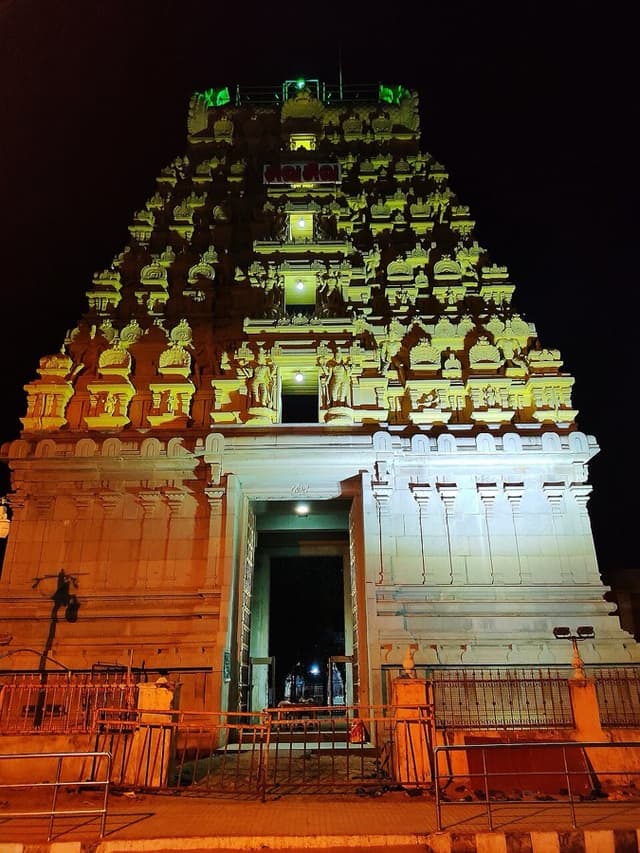
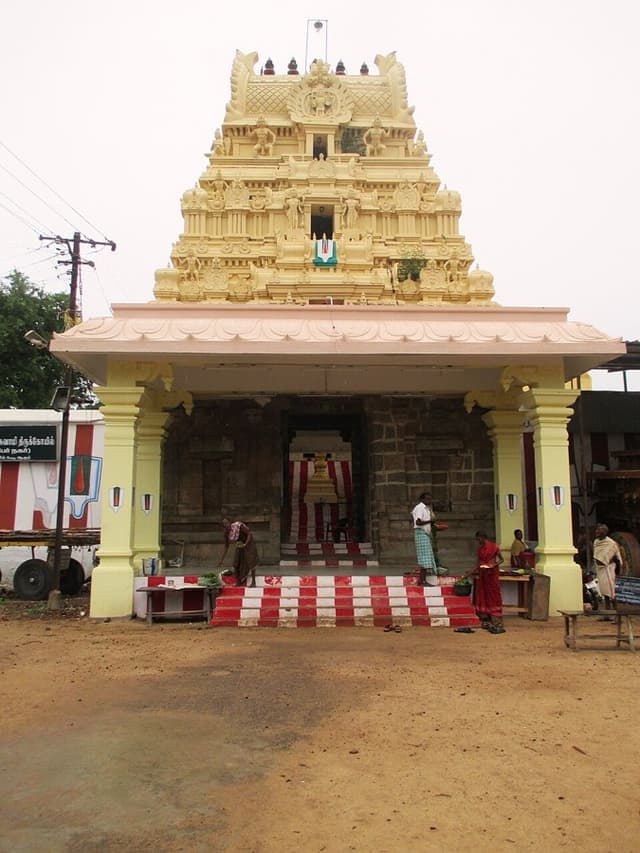
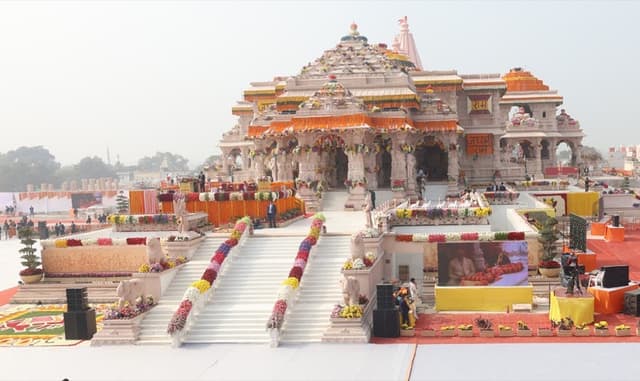
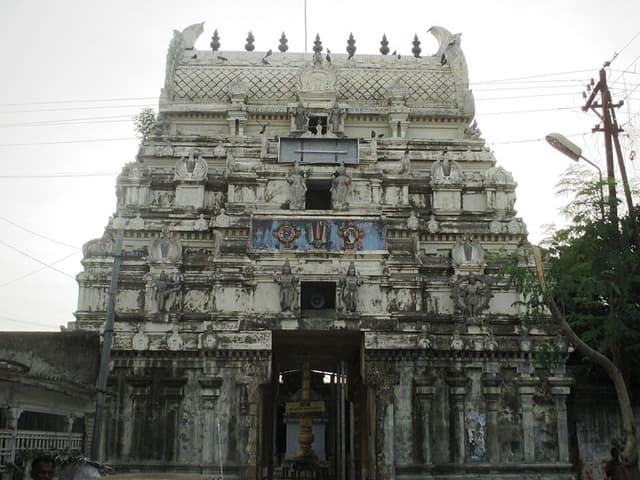
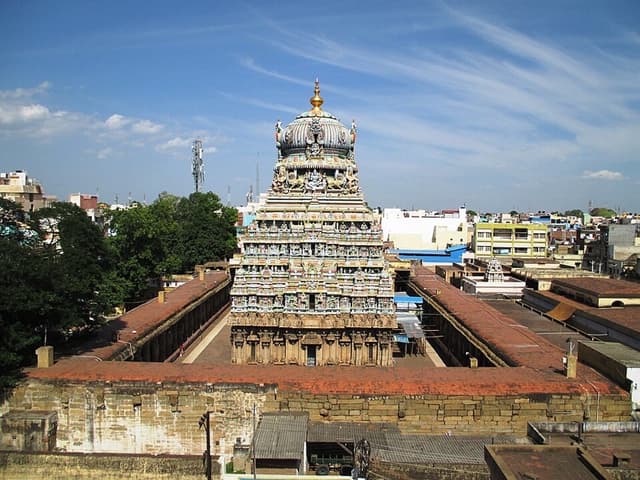
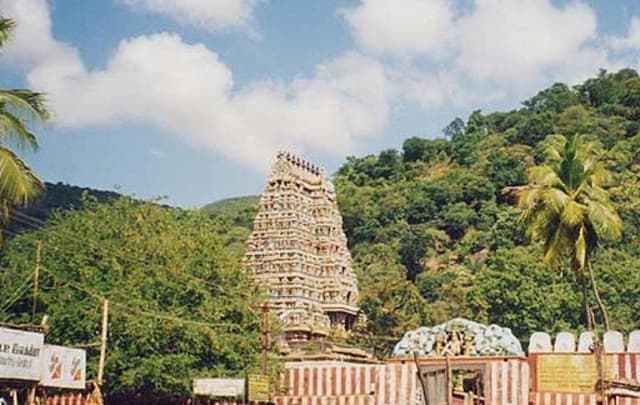
Kailasanatha Temple — Ellora Cave 16
📷 Vyacheslav Argenberg · [CC BY 4.0](https://creativecommons.org/licenses/by/4.0) · source
ElloraMaharashtra
8th century CE (c. 756–773); Rashtrakuta dynasty under Krishna I
earth
A Temple Record

Kailasanatha Temple — Ellora Cave 16

HinduismShaivism
Enter the Record
↓
I.Overview

A Sacred Site

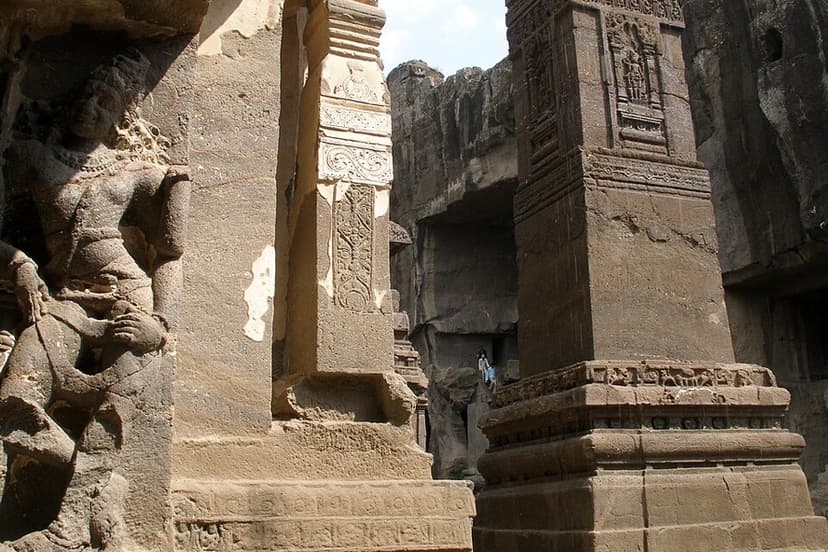
The largest monolithic excavation in the world, carved top-down from a single basalt cliff. Represents Mount Kailash, Shiva's Himalayan abode.

II.Architecture

The Built Form

Dravidian

18m
Height

Construction Material

granite

The largest monolithic excavation in the world, carved top-down from a single basalt cliff

III.Timeline

Sacred Timeline

  1. Construction under Krishna I (c. 756–773 CE)

    Carved top-down from a single basalt cliff over ~20 years; 200,000 tonnes of rock removed by hand

  2. UNESCO World Heritage inscription (1983)

    Part of the Ellora Caves group — 34 monasteries and temples spanning Buddhist, Hindu, and Jain traditions

V.Patrons

Royal Patrons

  1. Krishna I (Rashtrakuta)

VII.Trade

Trade Routes

  1. Deccan trade routes linking western coast to Deccan plateau

X.Sacred Story

A Temple Record

An editorial reading of the site, woven from its architectural, historical, and scriptural data.

In Ellora, Maharashtra, Kailasanatha Temple — Ellora Cave 16 — a 8th century ce (c. 756–773); rashtrakuta dynasty under krishna i site — the largest monolithic excavation in the world, carved top-down from a single basalt cliff. Represents Mount Kailash, Shiva's Himalayan abode.

§Historical Arc

The site is associated with the reign of Krishna I (Rashtrakuta). The earliest event recorded here is construction under krishna i (c. 756–773 ce). Through the centuries, the temple witnessed unesco world heritage inscription (1983). Carved top-down from a single basalt cliff over ~20 years; 200,000 tonnes of rock removed by hand.

§Reading the Built Form

Built in the Dravidian tradition, the central vimana ascends 18 metres. The largest monolithic excavation in the world, carved top-down from a single basalt cliff

Construction under Krishna I (c. 756–773 CE)
§A Visitor's Approach

01Walk the pradakshina path. Note the earliest event recorded here — construction under krishna i (c. 756–773 ce).

02The tradition here is hinduism. Sit. Listen. The darshan is its own teaching.

§Practical Notes
3 उद्धृत स्रोत
1 जुड़ी पवित्र कथाएँ
Historical Period8c CE
8th century CE (c. 756–773); Rashtrakuta dynasty under Krishna I
3000 BCEEarly MedievalPresent

Sacred Facts · At a Glance

Element
earth

Primary Scriptures

0 sources

No primary scriptures are catalogued for this entry yet. If you know of scriptural references we have missed, please contribute them.

Kailasanatha Temple, Ellora — The Monolithic Mountain

Shiva's Himalayan Abode Carved from a Single Cliff

The Kailasanatha Temple (Cave 16, Ellora) is the largest monolithic excavation in the world — a temple not built up from the ground but carved down from the living rock. Architects began at the summit of a basalt cliff and removed an estimated 200,000 tonnes of rock by hand, working downward over ~20 years, to create a free-standing temple complex 32 metres long, 27 metres wide, and 15 metres high — all from a single stone mass.

The temple represents Mount Kailash — Shiva's Himalayan abode — in miniature. Every surface is carved: elephants, lions, river goddesses, and scenes from the Ramayana and Mahabharata along the courtyard walls.

The Engineering Marvel

The temple was created by digging three deep trenches into the cliff face, carving the exterior from the top down, then hollowing out the interior chambers, and finally carving the interior pillars, niches, and sculptures. All errors were permanent — there was no going back. The monolithic Nandi (sacred bull) at the front is 4.5 metres tall, carved from the same rock mass. The two elephants at the entrance are 7.5 metres tall each, also monolithic.

The Ramayana Panels

The temple courtyard walls carry narrative panels from the Ramayana and Mahabharata — some of the finest narrative sculpture in India. The Ramayana panels alone stretch over 30 metres, depicting the entire epic from Dasaratha's court to the coronation of Rama in Ayodhya.

Iconoclasm and Survival

In the 17th century, Aurangzeb's soldiers attempted to destroy the temple. They smashed faces, broke hands, and defaced sculptures — but the main structure survived because it is the mountain. You cannot destroy a monolithic rock-cut temple without dynamite, which didn't exist in the 17th century. The temple stands as testimony to both the ambition of the Rashtrakuta builders and the resilience of rock-cut architecture.

❀

Sources & provenance

📜 3 Primary
  • 📜
    Primary sourceBook
    Carmel Berkson. The Caves at Aurangabad: Early Buddhist Monuments in Western India (1993)
  • 📜
    Primary sourceBook
    George Michell. The Hindu Temple: Architecture, Sculpture, and Meaning (1995)
  • 📜
    Primary sourceWikipedia
    Kailasa Temple, Ellora
    View source →