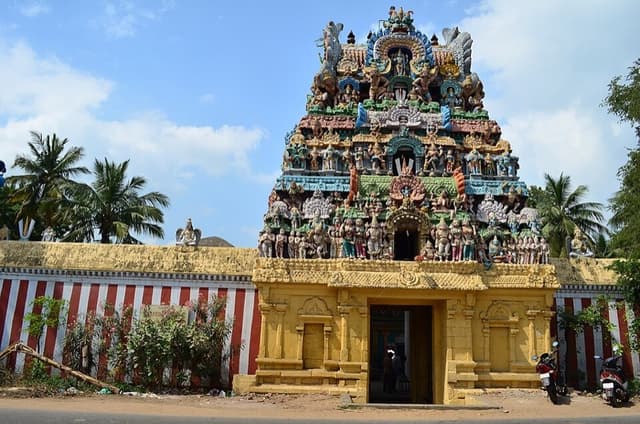
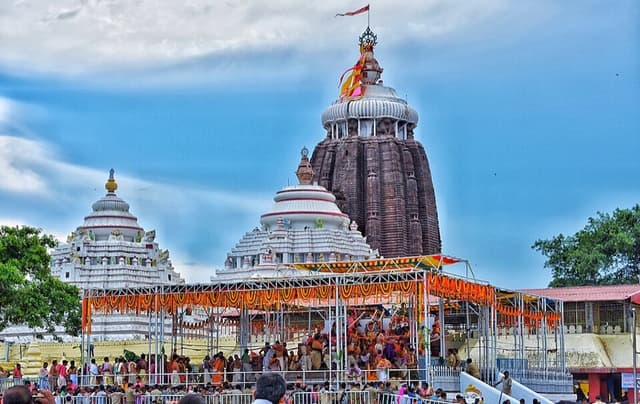
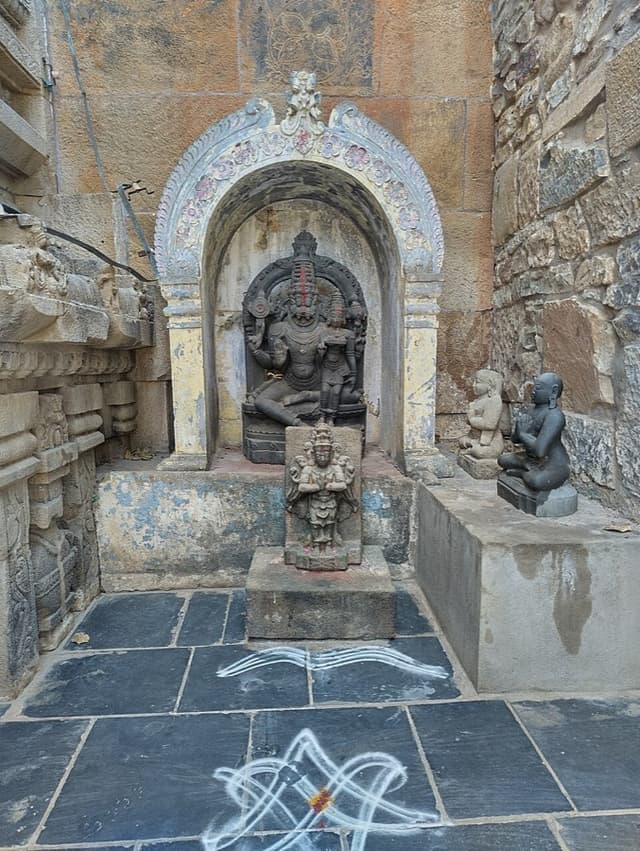
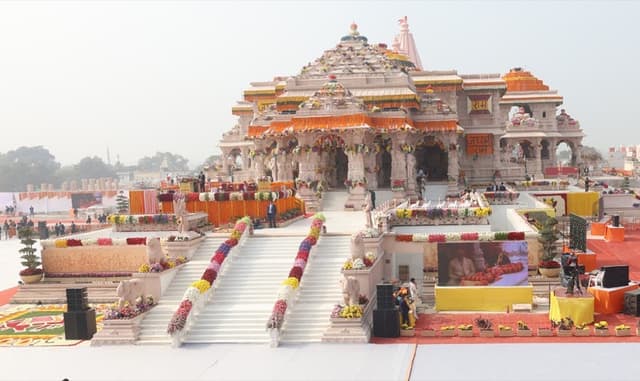
Ramanathaswamy — Rameshwaram
📷 Saral Shots · [CC BY-SA 4.0](https://creativecommons.org/licenses/by-sa/4.0) · source
RameswaramTamil Nadu
12th–17th c. CE; Pandya, Jaffna, Setupati dynasties
water
A Temple Record

Ramanathaswamy — Rameshwaram

HinduismShaivism
Enter the Record
↓
I.Overview

A Sacred Site

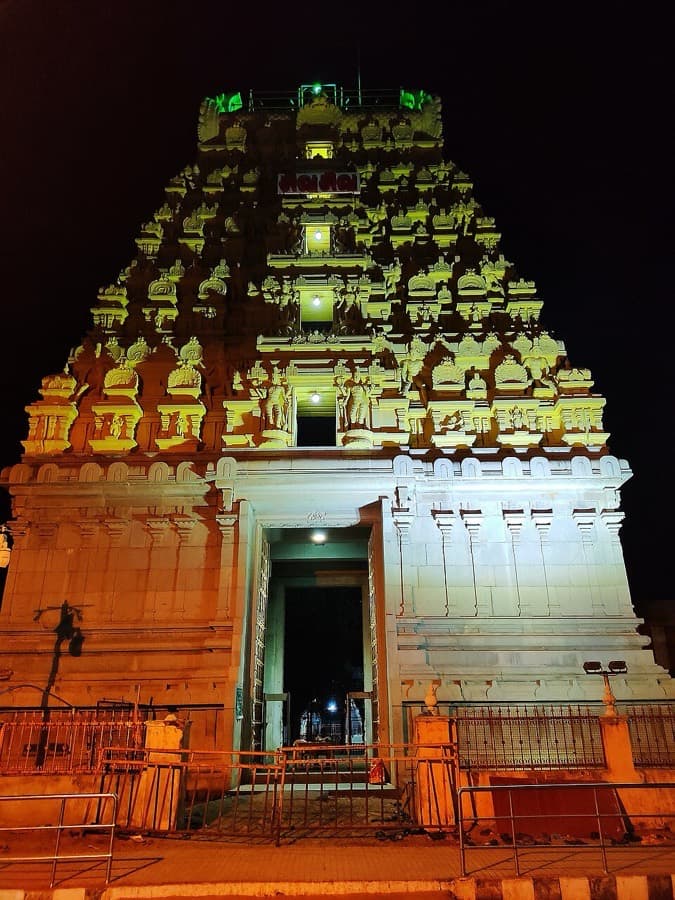
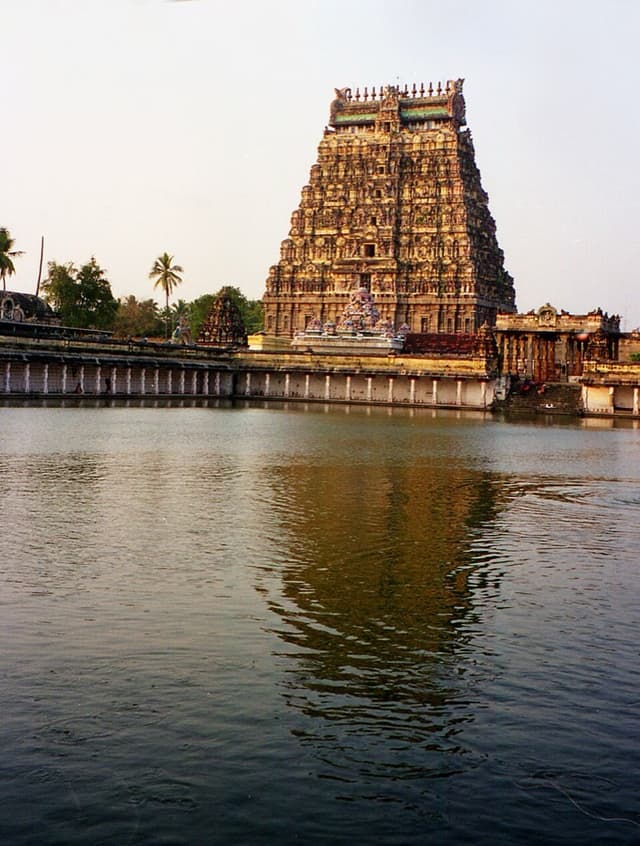
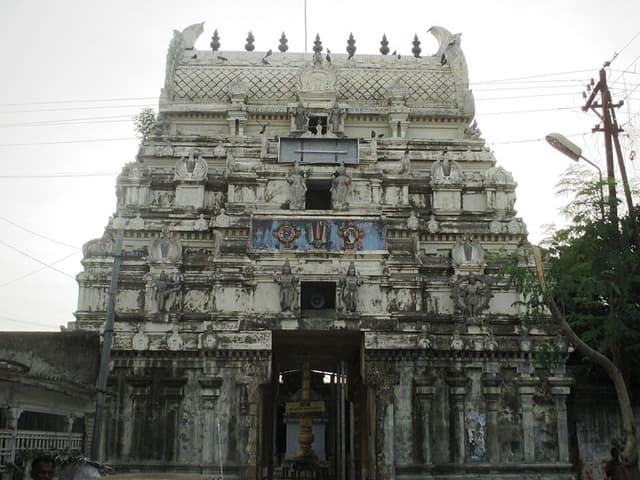
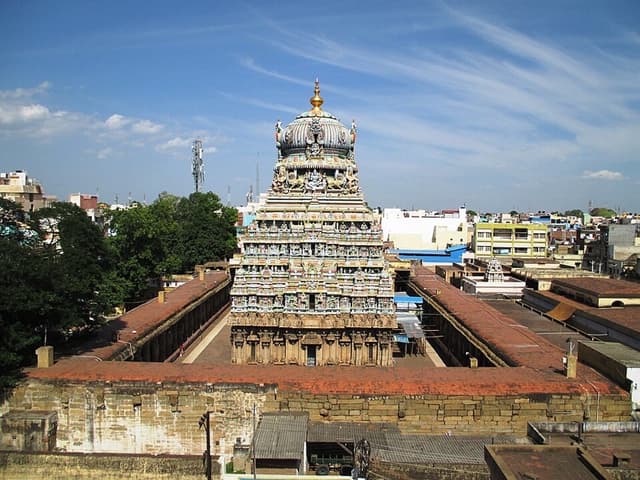
In Rameswaram, Tamil Nadu, there stands Ramanathaswamy — Rameshwaram — one of the Char Dham and 12 Jyotirlingas, linked to Rama's bridge to Lanka. The corridors are the longest in any Hindu temple — 1,220 metres with 4,000 pillars.

II.Architecture

The Built Form

Dravidian

Construction Material

granite

One of the Char Dham and 12 Jyotirlingas, linked to Rama's bridge to Lanka

III.Timeline

Sacred Timeline

  1. Rama's worship of Shiva

    According to the Ramayana, Rama worshipped Shiva here to absolve himself of killing Ravana

  2. Construction of corridors

    The 1,220-metre corridors with 4,000 pillars were built by Setupati kings

V.Patrons

Royal Patrons

  1. Setupati rulers of Ramanathapuram

VII.Trade

Trade Routes

  1. Maritime route to Sri Lanka — Rameshwaram is the closest point to Sri Lanka, linked to ancient trade networks

X.Sacred Story

A Temple Record

An editorial reading of the site, woven from its architectural, historical, and scriptural data.

In Rameswaram, Tamil Nadu, Ramanathaswamy — Rameshwaram — a 12th–17th c. ce; pandya, jaffna, setupati dynasties site — one of the Char Dham and 12 Jyotirlingas, linked to Rama's bridge to Lanka. The corridors are the longest in any Hindu temple — 1,220 metres with 4,000 pillars.

§Historical Arc

The site is associated with the reign of Setupati rulers of Ramanathapuram. The earliest event recorded here is rama's worship of shiva. Through the centuries, the temple witnessed construction of corridors. According to the Ramayana, Rama worshipped Shiva here to absolve himself of killing Ravana.

§Reading the Built Form

Built in the Dravidian tradition. One of the Char Dham and 12 Jyotirlingas, linked to Rama's bridge to Lanka

Rama's worship of Shiva
§A Visitor's Approach

01Walk the pradakshina path. Note the earliest event recorded here — rama's worship of shiva.

02The tradition here is hinduism. Sit. Listen. The darshan is its own teaching.

§Practical Notes
2 उद्धृत स्रोत
1 जुड़ी पवित्र कथाएँ
Historical Period17c CE
12th–17th c. CE; Pandya, Jaffna, Setupati dynasties
3000 BCE17th century CEPresent

Sacred Facts · At a Glance

Element
water

Primary Scriptures

0 sources

No primary scriptures are catalogued for this entry yet. If you know of scriptural references we have missed, please contribute them.

Ramanathaswamy Temple, Rameshwaram — The Bridge to Lanka

The Longest Corridors in India

One of the Char Dham and 12 Jyotirlingas, linked to Rama's bridge (Ram Setu) to Lanka. The temple's corridors are the longest in any Hindu temple — 1,220 metres with 4,000 pillars. According to the Ramayana, Rama worshipped Shiva here to absolve himself of the sin of killing Ravana.

The 22 Sacred Wells

The temple has 22 sacred wells (theerthams) inside its precincts, each with distinct-tasting water. Pilgrims bathe in all 22 as part of the ritual, believing that each well has healing properties for different ailments.

Setupati Patronage

The famous corridors were built by the Setupati kings of Ramanathapuram in the 17th century. The third corridor alone is 197 metres long and 133 metres broad, making it the largest temple corridor in the world.

❀

Sources & provenance

📜 2 Primary
  • 📜
    Primary sourceBook
    George Michell. The Hindu Temple: Architecture, Sculpture, and Meaning (1995)
  • 📜
    Primary sourceWikipedia
    Ramanathaswamy Temple
    View source →