108 Divya Desams
15
Chola Nadu
← 14. Nachiyar Koil Thirunaraiyur16. Bhaktavatsala-perumal →
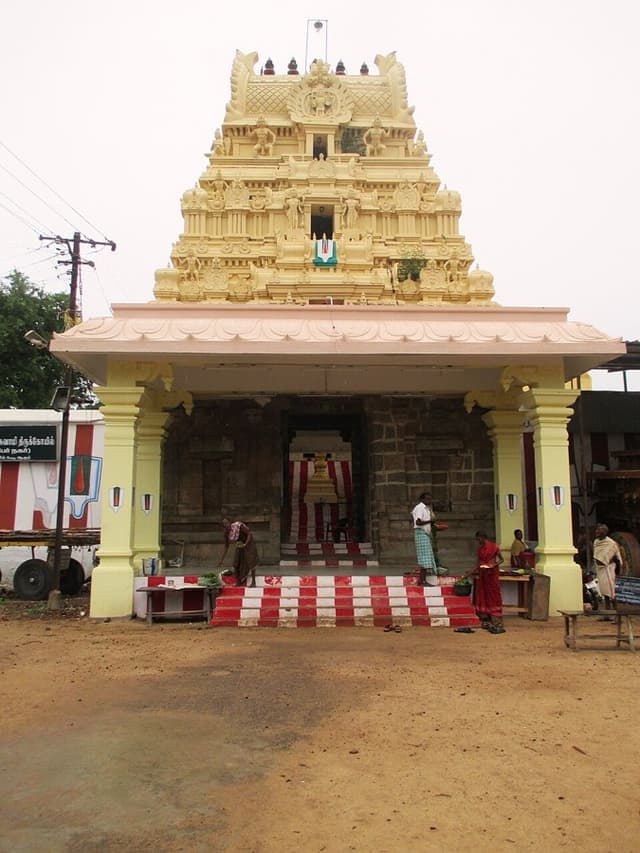
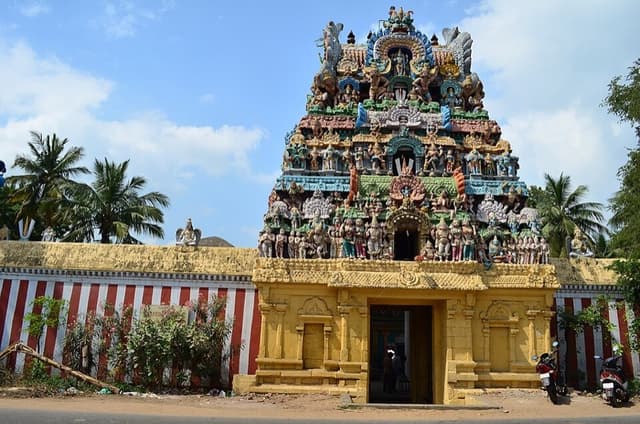
Saraṇātha — Kaveri-wedding form
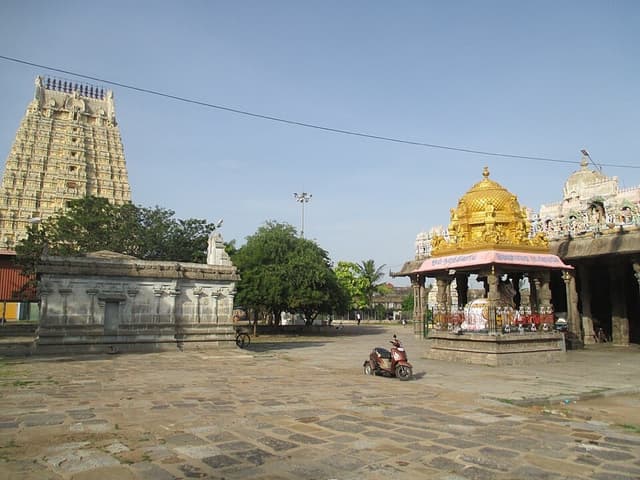
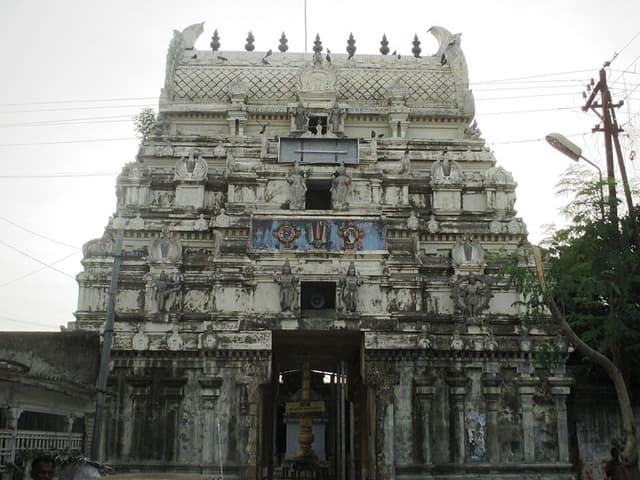
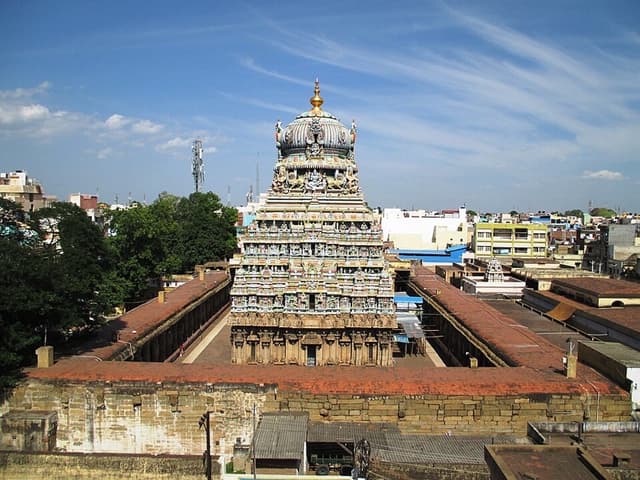
📷 Ssriram mt · [CC BY-SA 4.0](https://creativecommons.org/licenses/by-sa/4.0) · source
ThirucheraiTamil Nadu
Attested from the Āḻvār pasuram in the Nālāyira Divya Prabandham (Āḻvārs 5th–8th c. CE; collection compiled 9th–10th c. CE). Present structure is later; no construction date is recorded.
earth
A Temple Record

Saraṇātha — Kaveri-wedding form

Saraṇātha of Thirucherai (3rd variant)

HinduVaishnava
Enter the Record
↓
I.Overview

A Sacred Site

Saraṇātha — Kaveri-wedding form — Saraṇātha of Thirucherai (3rd variant).

मन्त्रTradition-specificSacred Mantra
§Sacred Mantra
·

Tradition-specific

··
Saraṇātha of Thirucherai (3rd variant) · The Sacred Syllable

Recite softly. Let the syllables settle. The mantra is the shortest path between the devotee and the divine.

II.Architecture

The Built Form

Dravidian

Construction Material

granite

Saraṇātha — Kaveri-wedding form — Saraṇātha of Thirucherai (3rd variant)

IV.Elements

Sacred Elements

The colours, creatures, and offerings that mark this site.

Sacred Colours

tradition-specific

Sacred Offerings

tradition-specific
VI.Texts

Sacred Texts

  1. Hindu primary texts

    Type: scriptural/oral

IX.Rituals

Worship & Rituals

Daily Rites

  1. tradition-specific

X.Sacred Story

A Temple Record

An editorial reading of the site, woven from its architectural, historical, and scriptural data.

In Thirucherai, Tamil Nadu, Saraṇātha — Kaveri-wedding form — a attested from the āḻvār pasuram in the nālāyira divya prabandham (āḻvārs 5th–8th c. ce; collection compiled 9th–10th c. ce). present structure is later; no construction date is recorded. site — saraṇātha — Kaveri-wedding form — Saraṇātha of Thirucherai (3rd variant).

§Reading the Built Form

Built in the Dravidian tradition. Saraṇātha — Kaveri-wedding form — Saraṇātha of Thirucherai (3rd variant)

Tradition-specific
§A Visitor's Approach

01Walk the pradakshina path. Let the silence settle.

02Chant the mantra softly: Tradition-specific.

03The tradition here is hindu. Sit. Listen. The darshan is its own teaching.

§Practical Notes
3 उद्धृत स्रोत
1 जुड़ी पवित्र कथाएँ
§Sacred Connections

Other sites derived from shared frontmatter data — tradition, era, region, or built form.

View all sacred connections →
Historical Period8c CE
Attested from the Āḻvār pasuram in the Nālāyira Divya Prabandham (Āḻvārs 5th–8th c. CE; collection compiled 9th–10th c. CE). Present structure is later; no construction date is recorded.
3000 BCE8th century CEPresent

Sacred Facts · At a Glance

Mantra
Tradition-specific
Gender
male
Element
earth
Sacred Colours
tradition-specific
Sacred Offerings
tradition-specific

Primary Scriptures

1 source
  • Hindu primary textsscriptural/oral

Saraṇātha — Kaveri-wedding form

Tradition

Hindu / Vaishnava

Location

  • Thirucherai, Thanjavur, Tamil Nadu (10.9167°N, 79.35°E)

Sacred Narrative

Distinct 5-in-1 Vishnu sanctum — the wedding-gift from Vishnu to the river-goddess Kaveri. Divya Desam.

Sthalapurana (Temple Legend)

The sacred history of this shrine is recounted in local Sthalapurana texts and the Divya Prabandham hymns.

❀

Wisdom Graph: Divine Associations

MantraTradition-specific
Offerings
tradition-specific
Sacred colours
tradition-specific

Stories

  • Narrative of Saraṇātha — Kaveri-wedding form
    Distinct 5-in-1 Vishnu sanctum — the wedding-gift from Vishnu to the river-goddess Kaveri. Divya Desam.
    — Tradition

Worship Procedures

Daily rites
• tradition-specific

Principal Temples

  • Main shrine of Saraṇātha — Kaveri-wedding formVaries
    📍 Thirucherai, Thanjavur, Tamil Nadu, India
    Festivals: Annual festival
    Saraṇātha of Thirucherai (3rd variant)

Festivals

  • Annual Saraṇātha — Kaveri-wedding form festival
    Seasonally · 1–10 days

Primary Scriptural Sources

  • Hindu primary textsscriptural/oral

Sources & provenance

📜 2 Primary🎓 1 Scholarly
  • 📜
    Primary sourceWikipedia
    Divya Desam — Wikipedia (permalink)
    Permalink to revision 1376685759 (2026-09-25). Cited for the canonical #15 position in the 108 Divya Desam list and for the Āḻvār period (5th–8th c. CE). Used as a finding aid per SOURCES_POLICY rule 5.
    Retrieved 2026-09-28
    View source →
  • 📜
    Primary sourceBook
    Nālāyira Divya Prabandham (Āḻvār pasuram for this shrine)
    The hymns are the primary attestation that this shrine was venerated as a Divya Desam. They carry a devotional date, not a constructional one. Text not yet transcribed into this entry.
  • 🎓
    Scholarly sourceWikipedia
    Nālāyira Divya Prabandham — Wikipedia (permalink)
    Permalink to revision 1376779123 (2026-09-26). Gives the compilation period (9th–10th c. CE) and the extent of the collection (c. 4,000 verses).
    View source →