Sacred Facts · At a Glance
- Sacred Colours
- tradition-specific
- Sacred Offerings
- tradition-specific
Primary Scriptures
1 source- Islamic primary textsscriptural/oral
Bahāʾ al-Dīn Zakariyā Multānī
The Suhrawardi who rooted Sufism in the Punjab
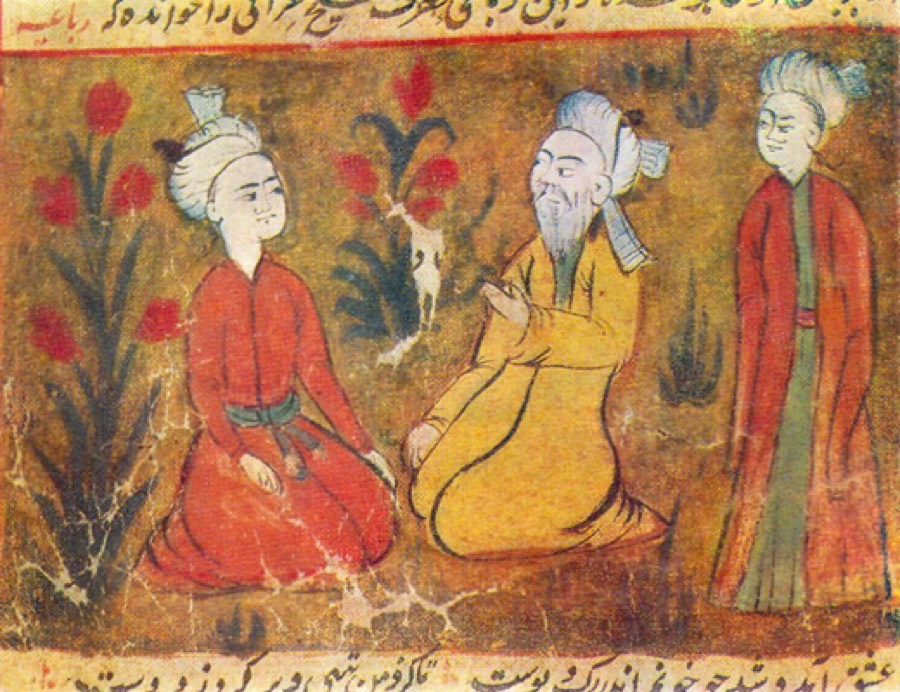
Bahāʾ al-Dīn Zakariyā Muḥammad, known in South Asia as Yākūbāl Ṣāḥib or simply Zakariyā Multānī, was the founder of the Suhrawardi khānaqāh network in the Punjab and one of the most consequential Sufi saints of pre-partition India. He was born about 1170, in Bukhārā, into a family from Multan, and died in 1267 at Multan, where his shrine remains. His dates and his Bukhārā birth are the standard ones in the tadhkira literature and are not independently documented here; the tadhkiras themselves are late and hagiographical, and a modern critical biography is not on file in this corpus.
Two things about him are firmly established in the literature and should be stated plainly. First, he was a Suhrawardi, of the khalwa-disciplined mystical brotherhood founded by Shihāb al-Dīn Suhrawardī, and his teaching combined the ḥadīth discipline of the Sunnatī with the ṣūfī khalwa he practised in retreat. Second, his principal disciple was Shah Niẓām al-Dīn Auliyā of Dehlī, whose fame later eclipsed his teacher's; the Auliyā material is one of the main windows onto Zakariyā's teaching.
The tradition most often attached to him is the forty chillās — forty retreats of forty days each, made in the deserts of the Punjab, in which he is said to have trained his spiritual perception. This is a tradition of the Awliyā's hagiographies and is not independently datable; it is reported here as tradition because it explains the image of a saint alone in the desert that pervades the region's shrine literature. The related claim that he established Sunnatī observance as the norm in the Punjab is also a community tradition rather than a documented legislative act. His shrine in Multan, with its langar — the free kitchen run in his name — remains a working institution rather than a monument, and its urs is observed.
Sources and what is still unverified
- Ṭabaqāt-i-ʿĀṣafīya / the Punjabi Awliyā tadhkira literature — work level; the hagiographic and critical divide must be respected when citing.
- A modern study of the Suhrawardi order in South Asia — required, and not yet on file.
- Multan District Gazetteer (Government of India gazetteer series, Punjab) — for the shrine and the langar endowment.
- Unverified: the forty chillās as history, the "Sunnati reform" claim, and the frontmatter's precise death-year claim beyond 1267.
Wisdom Graph: Divine Associations
- Offerings
- tradition-specific
- Sacred colours
- tradition-specific
Worship Procedures
- Daily rites
- • tradition-specific
Principal Temples
- Main shrine of Bahā'ud-dīn Zakariyā MultānīVaries📍 Multan, Multan, Pakistan, PakistanFestivals: Annual festivalSuhrawardi Sufi of pre-partition Punjab
Festivals
- Annual Bahā'ud-dīn Zakariyā Multānī festivalSeasonally · 1–10 days
Primary Scriptural Sources
- Islamic primary textsscriptural/oral
Sources & provenance
- 📜Primary sourcePunjabi tadhkira (Awliya hagiography) literature - work level; hagiographic, not critical
- 🎓Scholarly sourceBookA study of the Suhrawardi order in South Asia - required; not on file
- 📖Supporting referenceGazetteer-. Multan District Gazetteer, Punjab (Government of India gazetteer series)