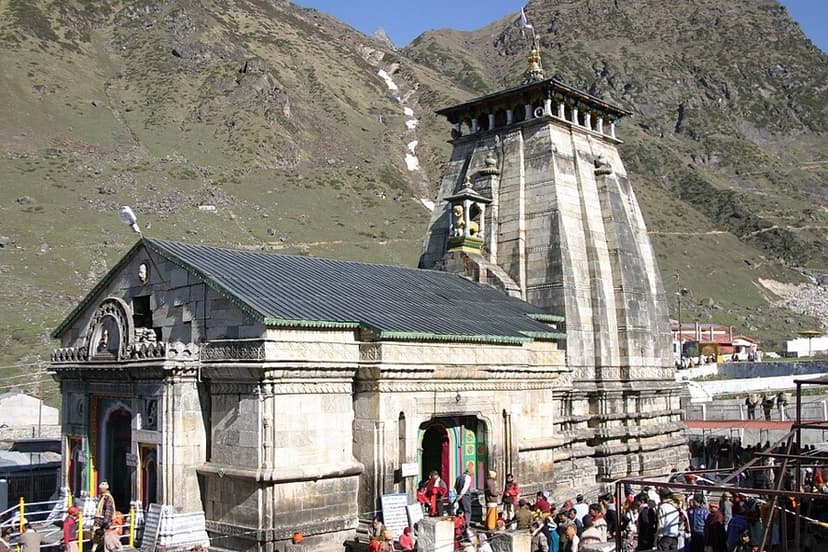
Kedarnath — Lord of the Field
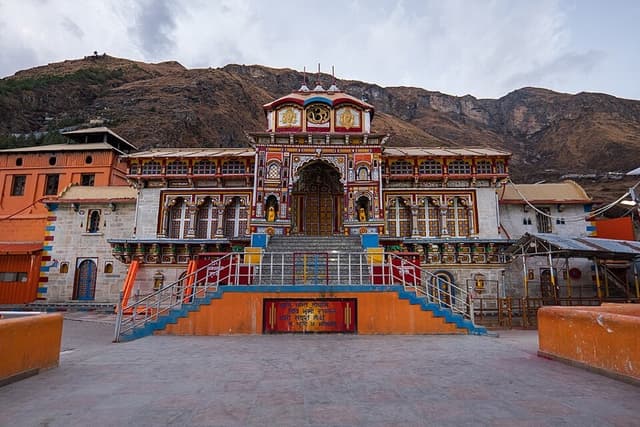
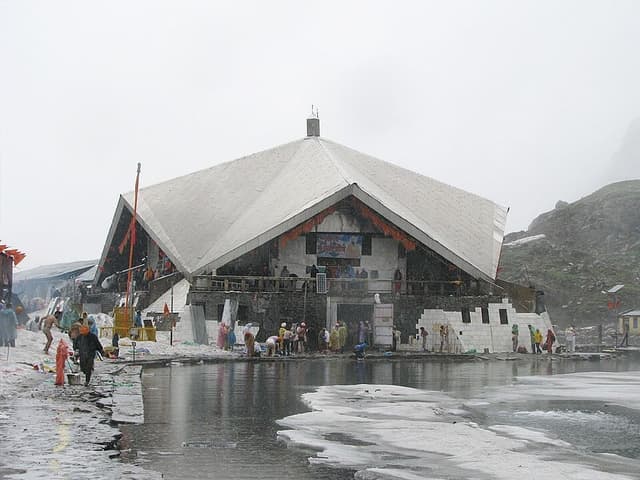
📷 Shaq774 at en.wikipedia · Public domain · source
KedarnathUttarakhand
c. 8th c. CE; attributed to Adi Shankaracharya
earth
A Temple Record

Kedarnath — Lord of the Field

HinduismShaivism
Enter the Record
↓
I.Overview

A Sacred Site

One of the Char Dham and Panch Kedar pilgrimage sites, at 11,755 feet near the Mandakini river. The temple miraculously survived the 2013 floods.

II.Architecture

The Built Form

Construction Material

granite

One of the Char Dham and Panch Kedar pilgrimage sites, at 11,755 feet near the Mandakini river

III.Timeline

Sacred Timeline

  1. 2013 Uttarakhand floods

    The temple miraculously withstood a wall of water and boulders that destroyed everything around it

  2. Winter migration

    The deity is carried to Ukhimath for six months — one of the few mobile divine residences in Hinduism

V.Patrons

Royal Patrons

  1. Adi Shankaracharya

VII.Trade

Trade Routes

  1. Himalayan pilgrimage route — part of the Char Dham circuit connecting Yamunotri, Gangotri, Kedarnath, and Badrinath

X.Sacred Story

A Temple Record

An editorial reading of the site, woven from its architectural, historical, and scriptural data.

In Kedarnath, Uttarakhand, Kedarnath — Lord of the Field — a c. 8th c. ce; attributed to adi shankaracharya site — one of the Char Dham and Panch Kedar pilgrimage sites, at 11,755 feet near the Mandakini river. The temple miraculously survived the 2013 floods.

§Historical Arc

The site is associated with the reign of Adi Shankaracharya. The earliest event recorded here is 2013 uttarakhand floods. Through the centuries, the temple witnessed winter migration. The temple miraculously withstood a wall of water and boulders that destroyed everything around it.

§Reading the Built Form

One of the Char Dham and Panch Kedar pilgrimage sites, at 11,755 feet near the Mandakini river

2013 Uttarakhand floods
§A Visitor's Approach

01Walk the pradakshina path. Note the earliest event recorded here — 2013 uttarakhand floods.

02The tradition here is hinduism. Sit. Listen. The darshan is its own teaching.

§Practical Notes
2 மேற்கோள் ஆதாரங்கள்
1 இணைக்கப்பட்ட திருக்கதைகள்
Historical Period8c CE
c. 8th c. CE; attributed to Adi Shankaracharya
3000 BCE8th century CEPresent

Sacred Facts · At a Glance

Element
earth

Primary Scriptures

0 sources

No primary scriptures are catalogued for this entry yet. If you know of scriptural references we have missed, please contribute them.

Kedarnath Temple — The Abode in the Snow

Survival Against Nature

One of the Char Dham and Panch Kedar pilgrimage sites, at 11,755 feet near the Mandakini river. The temple is built of massive stone slabs that have survived earthquakes and glacier movements. In the 2013 Uttarakhand floods, the temple miraculously withstood a wall of water and boulders that destroyed everything around it.

The Mobile Deity

The temple is closed for six winter months; the deity is carried in a palanquin to Ukhimath, where worship continues — one of the few examples of a mobile divine residence in Hinduism. This practice reflects the practical challenges of Himalayan worship.

Adi Shankara's Legacy

Tradition attributes the temple to Adi Shankaracharya, who is said to have established the Kedarnath shrine as part of his mission to revive Hinduism. The samadhi (memorial) behind the temple is believed to mark his final resting place.

❀

Sources & provenance

📜 2 Primary
  • 📜
    Primary sourceBook
    B. K. Chaturvedi. Kedarnath: The Abode of Shiva (2006)
  • 📜
    Primary sourceWikipedia
    Kedarnath Temple
    View source →