
Primary Scriptures
0 sourcesNo primary scriptures are catalogued for this entry yet. If you know of scriptural references we have missed, please contribute them.
Prophet Muhammad
The Messenger of God
Overview
Muhammad ibn Abdullah (c. 570–632 CE), born in Mecca, is the central human figure of Islam — believed by Muslims to be the final prophet in a line running from Adam through Abraham, Moses, and Jesus, and the receiver of the Quran, revealed over 23 years beginning in 610 CE. Muslims honour him as al-Insan al-Kamil (the perfect human) and add "peace be upon him" (ﷺ) after his name — a mark of reverence visitors will hear across India.
Key Facts
- Born: c. 570 CE, Mecca; orphaned young, raised by his uncle; merchant by profession
- First revelation: 610 CE, in the cave of Hira — "Read!" (Iqra)
- Hijra: 622 CE, migration to Medina — year 1 of the Islamic calendar
- Died: 632 CE, Medina; buried in the Prophet's Mosque there
- Teachings: absolute oneness of God (tawhid); prayer, charity, fasting, pilgrimage; justice to orphans, women, and the poor; mercy ("I was sent only as a mercy to the worlds" — Quran 21:107)
Life and Mission
Persecuted in Mecca for preaching one God against idol-worship, Muhammad built in Medina the first Muslim community (umma) — part congregation, part city-state — bound by the Charter of Medina, which gave rights to Jewish tribes alongside Muslims. His Farewell Sermon (632) is remembered for its declarations of human equality: "No Arab has superiority over a non-Arab... except by piety."
The Hadith literature preserves thousands of his sayings and actions (sunna), which — with the Quran — shape Muslim law, worship, and daily manners, including in India: how to pray, marry, trade honestly, greet ("As-salamu alaykum — peace be upon you"), and bury the dead.
Muhammad and India
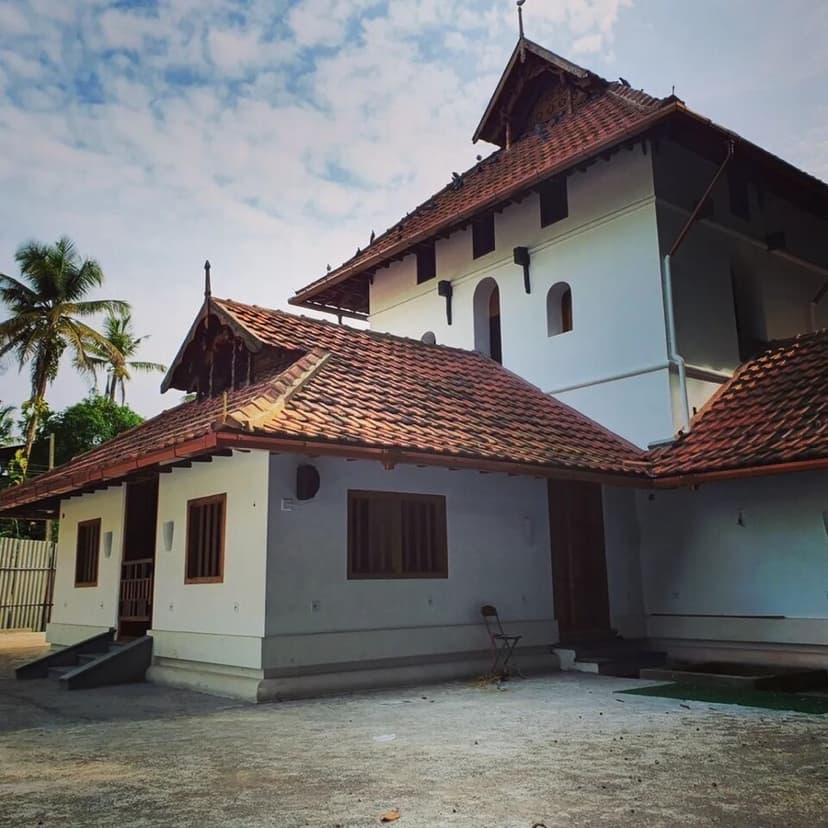
- The Cheraman tradition: Kerala Muslim tradition holds that the Chera king witnessed the Prophet's miracle of the moon-splitting, embraced Islam, and ordered the building of Cheraman Juma Mosque — traditionally dated to the Prophet's own lifetime (629 CE). Scholars debate the chronology; the devotion is undisputed.
- Milad-un-Nabi: the Prophet's birthday (12 Rabi al-Awwal) is celebrated across India with processions, illuminations, charity meals, and recitations of his praises — most fervently in the Barelvi tradition.
- Naat and manqabat: Urdu devotional poetry in the Prophet's praise, recited at gatherings from Bareilly to Hyderabad.
A Note of Respect
Islamic tradition discourages pictorial depiction of the Prophet. This encyclopedia honours that: no images are presented here, and readers visiting mosques or Milad gatherings should follow local guidance on reverent conduct.
Sources & provenance
- 📜
- 📜Primary sourceBookRichard M. Eaton.
.jpg/500px-Painting_of_Sheikh_Fareed_Shakarganj%2C_ca.1823%E2%80%9324_(cropped).jpg)