.jpg/1280px-Hamandir_Sahib_(Golden_Temple).jpg)




Sacred Facts · At a Glance
- Element
- fire
Primary Scriptures
0 sourcesNo primary scriptures are catalogued for this entry yet. If you know of scriptural references we have missed, please contribute them.
⚠️ CONTENT VERIFICATION STATUS: This draft is . All citations require validation. Content should be reviewed by qualified scholars and practitioners before publication. Do not rely on this content for ritual, liturgical, or spiritual practice without independent verification.
Sikh Dharma (Sikhism)
Section 1: Overview
[BEGINNER]
Sikhism is a relatively young tradition — about 500 years old — founded by Guru Nanak in the Punjab region of northern India. It began in the 15th century, a time when Hindu and Muslim communities were divided by caste and creed.
Guru Nanak taught that the one Supreme Reality (which he called by many names: God, Truth, the Divine, or in Punjabi, Waheguru — "wonderful Lord") is beyond all distinctions. He rejected empty ritual, caste prejudice, and religious intolerance. He taught that salvation comes not from pilgrimages or chants alone, but from remembering God with love in everyday life.
Guru Nanak was followed by nine more Gurus — teachers who continued his work. The last human Guru, Guru Gobind Singh, declared that after him, the Guru Granth Sahib — the sacred scripture — would be the eternal Guru. Sikhs bow to the Guru Granth Sahib as their living teacher.
The Sikh tradition emphasizes:
- Naam Japna: remembering God through prayer and meditation
- Kirat Karna: honest work in the world
- Vand Chakna: sharing with others, especially the less fortunate
Sikhism rejects caste, idol worship, empty ritual, and religious intolerance. The community (panth) is meant to be a "royal priesthood" — a people living ethically and welcoming all (McLeod 1968; Grewal 1990).
Today, Sikhs number about 25–30 million worldwide — the fifth-largest religion in the world. They are known worldwide for their integrity, community service (the langar tradition of free community meals), and the sacred music of the Guru Granth Sahib, set to classical ragas.
[INTERMEDIATE]
Sikhism (Sikh Dharma) emerged in the late 15th century in the Punjab, in a context of Sufi Muslim and Bhakti Hindu movements that emphasized personal devotion over institutional religion. Guru Nanak (1469–1539) taught that the ultimate reality (Sat Nam, "True Name"; Waheguru, "Wonderful Lord") is beyond religious categories: neither Hindu nor Muslim, but accessible to all who seek with sincerity.
The tradition's ten human Gurus (Nanak, Angad, Amar Das, Ram Das, Arjan, Hargobind, Har Rai, Har Krishan, Tegh Bahadur, Gobind Singh) span 1469–1708 CE. Each contributed to the tradition's development: Guru Angad standardized the Gurmukhi script; Guru Amar Das established the langar (community meal) system; Guru Arjan compiled the Guru Granth Sahib; Guru Gobind Singh institutionalized the Khalsa (the community of initiated Sikhs) and declared the scripture the eternal Guru.
Sikh theology is monotheistic (though not exclusivist): God is one (Ek Onkar), the creator, sustainer, and destroyer, beyond human comprehension but knowable through grace (nadar). The concept of hukam (divine order/command) pervades existence; living in harmony with hukam is liberation. Guru Nanak's Mul Mantra (the opening verses of the Guru Granth Sahib) encapsulates this vision:
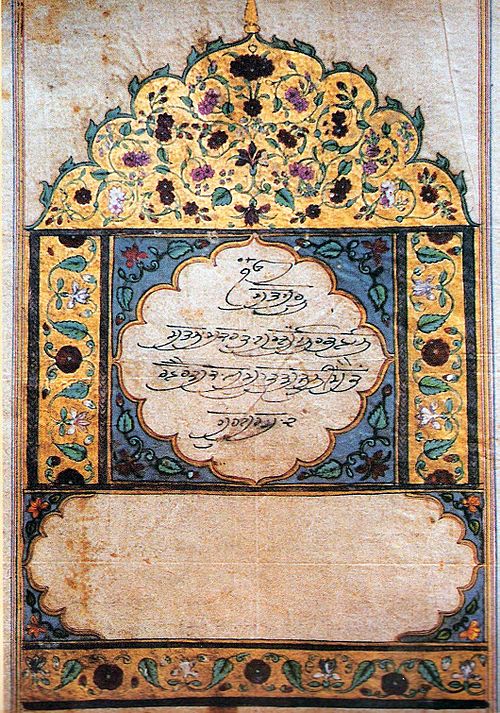
ਇੱਕ ਓਅੰਕਾਰ ਸਤਿ ਨਾਮੁ ਕਾਰਤਾ ਪੁਰਖੁ ਨਿਰਭਉ ਨਿਰਵੈਰੁ ਅਕਾਲ ਮੂਰਤਿ ਅਜੂਨੀ ਸੈਭੰ ਗੁਰ ਪ੍ਰਸਾਦਿ ॥
"One Universal Creator God, Truth/Inherent Being, Name, Creator, Reality/Dominant, Without Fear, Without Enmity, Timeless Form, Unborn, Self-Existent, By Grace (Guru's Grace)" [Guru Granth Sahib, page 1; Mul Mantra attributed to Guru Nanak]
The tradition rejected several prevailing practices:
- Rejecting the caste system — "No one is low, no one is high"
- Rejecting idol worship — though respects all paths
- Rejecting ritual pilgrimage without inner transformation — the genuine pilgrimage is within
- Rejecting scripture worship without living the teaching — "Reading without practice is fruitless"
[SCHOLAR]
Historical Context and Origins
Sikhism arose in a region marked by Muslim rule (the Delhi Sultanate, later Mughal Empire) and Hindu social structures (the caste system). Guru Nanak's teachings drew on Bhakti and Sufi traditions but constituted a distinct synthesis. The bhakti movement's emphasis on personal devotion (surrendering the ego to God) parallels Sikh teaching; Sufi's emphasis on tawhid (Divine Unity) and rejection of religious formalism also parallels Sikh teaching. However, Sikhism's rejection of empty formalism and its egalitarian social ethic distinguish it from both.
The historical Guru Nanak's exact birth date is disputed (1469 in the traditional Nanakshahi calendar; more conservative estimates suggest slightly earlier). His travels (to Mecca, Baghdad, and across India) are documented in the janam-sakhis (biographies), though these contain legendary elements. The Sikh tradition holds that Nanak received a "divine commission" while bathing in the river Bein: God appeared to him and said, "I am with you; I make you my own; go and repeat my name, and teach others to do the same." [Max Arthur Macauliffe, "The Sikh Religion: Its Gurus, Sacred Writings and Authors," 1909; for critical scholarship, see W. H. McLeod, "Guru Nanak and the Sikh Religion," 1968; and Pashaura Singh, "The Guru Granth Sahib: Canon, Meaning and Authority," 2000]
Section 2: Origin & History
[BEGINNER]
Guru Nanak was born in 1469 in Talwandi (now Nankana Sahib, Pakistan). As a child, he showed spiritual insight and was uninterested in the religious customs his family expected.
As an adult, he worked as a storekeeper for the Mughal governor of the region. Then, at age 30, something happened — while bathing in a river, he had a spiritual experience and disappeared for three days. When he returned, he said: "There is no Hindu, there is no Muslim." He had realized that the one God is beyond all religious categories.
Guru Nanak spent the rest of his life teaching — through song (he was a poet and musician), through service, and through example. He traveled widely. He ate with everyone regardless of caste. He welcomed women and men equally.
He appointed a successor, Guru Angad, who continued the tradition. Over the next 239 years, nine more Gurus led the community, each adding something to Sikhism's development:
- Guru Angad created the Gurmukhi script (the script used to write Punjabi today)
- Guru Amar Das started the langar — free community meals that anyone can eat, regardless of caste
- Guru Ram Das founded the city of Amritsar
- Guru Arjan compiled the Guru Granth Sahib and built the Golden Temple
- Guru Gobind Singh created the Khalsa — the community of "pure ones" who wear the Five Ks and are committed to defending the faith
In 1708, Guru Gobind Singh declared that after him, the Guru Granth Sahib would be the eternal Guru. No more human Gurus.
The Sikh community faced persecution under Mughal rulers, especially after the martyrdom of Guru Arjan (1606) and Guru Tegh Bahadur (1675). The Golden Temple was destroyed multiple times. But the community survived and grew.
[INTERMEDIATE]
The Guru Period (1469–1708)
The ten Gurus represent a continuous line of spiritual teachers who shaped Sikhism's development:
- Guru Nanak (1469–1539): founder; taught the unity of God, rejection of caste, the path of nam SIMRAN (remembering God's name); traveled extensively
- Guru Angad (1539–1551): standardized Gurmukhi script; codified the guru's teachings; succeeded Nanak after initial dispute
- Guru Amar Das (1552–1574): established langar as central practice; organized Sikh worship into specific forms; welcomed women
- Guru Ram Das (1574–1581): founded Amritsar; composed Lava and Asa di Var; established the Guru ka Langar tradition
- Guru Arjan (1581–1606): compiled the Adi Granth (later Guru Granth Sahib); built Harmandir Sahib (Golden Temple); added his own compositions; martyred by Mughal Emperor Jahangir
- Guru Hargobind (1606–1644): militarized the community in response to persecution; wore two swords (miri and piri); established the Akal Takht
- Guru Har Rai (1644–1661): maintained the tradition of spiritual leadership; emphasis on Sangat (community worship)
- Guru Har Krishan (1661–1664): the youngest Guru; died young during smallpox epidemic
- Guru Tegh Bahadur (1664–1675): martyred in Delhi for defending Hindu pandits' rights; known as "Hind di Chadar" (Shield of India)
- Guru Gobind Singh (1675–1708): finalized the Khalsa initiation (Amrit Sanskar); wrote the Dasam Granth (attributed); established the Five Ks; declared Guru Granth Sahib the eternal Guru
Key Historical Events
- Martyrdom of Guru Arjan (1606): Mughal Emperor Jahangir ordered Guru Arjan's execution (by torture); this marked a turning point from tolerance to persecution
- Founding of the Khalsa (1699): Guru Gobind Singh initiated the "Khalsa" (pure ones) at the Vaisakhi festival; instituted the Five Ks and the ceremony of Amrit Sanskar
- Martyrdom of Guru Tegh Bahadur (1675): beheaded by Mughal Emperor Aurangzeb for refusing to convert to Islam; his execution galvanized Sikh resistance
- Battles with Mughal Empire: Guru Gobind Singh fought several battles against Mughal forces; the Khalsa became a military community
The Guru Granth Sahib as Eternal Guru
After Guru Gobind Singh's death in 1708, the Sikh community recognized the Guru Granth Sahib as the living, eternal Guru — not merely a book but the embodiment of divine guidance. This is why Sikhs bow to it, why it is treated with extreme respect, and why it is installed on a throne (palki) in gurdwaras. The Guru Granth Sahib contains the teachings of six Gurus (Nanak through Guru Tegh Bahadur) and also includes compositions from Hindu and Muslim saints (including Kabir, Ravidas, and others), demonstrating the inclusive vision of Sikhism.
[SCHOLAR]
The Dasam Granth Question
The Dasam Granth ("Tenth Book"), traditionally attributed to Guru Gobind Singh, contains compositions including the Chandi Di Var (on goddess Durga), biographical material, and philosophical treatises. However, its attribution and canonicity are disputed:
- Sikh tradition (especially Nihang and some Khalsa streams): accepts the Dasam Granth as Guru Gobind Singh's composition and accord it high respect
- Mainstream Sikh scholarship (SGPC, Akal Takht): accepts the Dasam Granth as containing Guru Gobind Singh's writings but does not accord it Guru status (only the Guru Granth Sahib has Guru status)
- Some scholars: question whether Guru Gobind Singh authored all of it; some sections may have been composed by court poets
The Dasam Granth is not publicly read in most gurdwaras (unlike the Guru Granth Sahib, which is read continuously). This represents an ongoing internal debate about what constitutes authoritative Sikh scripture. [J. S. S. Grewal, "The Sikhs of the Punjab," 1994, Chapter 5; for the Dasam Granth debate, see Pashaura Singh, "Dasam Granth," 2010]
The Five Ks and Khalsa Identity
The Five Ks (panj kakkar) instituted by Guru Gobind Singh in 1699 serve as visible markers of Khalsa identity:
- Kesh (unshorn hair): represents acceptance of God's creation as is; the turban protects this
- Kanga (wooden comb): keeps hair clean and symbolizes discipline
- Kara (steel bracelet): reminds the wearer of restraint; the unbreakable circle symbolizes God
- Kachera (cotton underwear): modesty and ease of movement; not the same as shorts
- Kirpan (sword): symbol of dignity, defense of the weak, and readiness to protect
These are worn by initiated Khalsa Sikhs (Amrit-dhari) and distinguish them visibly. The Khalsa initiation ceremony (Amrit Sanskar) involves baptizing with amrit (nectar) prepared by stirring water with a double-edged sword while chanting the Guru's name.
Section 3: Core Teachings & Philosophy
[BEGINNER]
The One God
Sikhs believe in one God — Waheguru (the Wonderful Lord), also called Sat Nam (True Name), God, Lord, or Reality. God is:
- The creator of all (not created)
- Beyond form (nirankar) — no image or idol can capture God
- Beyond fear and enmity (nirbhai, nirvair)
- Present in all creation
- Accessible through grace
The Human Problem
According to Sikhism, the main problem is haumai ("I-am-ness" — ego/self-centeredness). We think we are separate from God, from each other, from nature. This ego creates:
- Attachment to worldly things (maya — illusion)
- Caste prejudice
- Religious intolerance
- Moral failing
The Solution: Remembering God
The cure is naam SIMRAN — remembering God's name. Through prayer, meditation (especially on the Name), and living ethically, we dissolve the ego and unite with God.
The Three Pillars of Sikh Life
Guru Nanak taught three principles:
- Naam Japna: Remember God through prayer and meditation
- Kirat Karna: Earn an honest living through work
- Vand Chakna: Share with others, especially the poor and vulnerable
These are not just ideas — they are meant to be lived every day.
[INTERMEDIATE]
The Mul Mantra and Sikh Ontology
The Mul Mantra (Root Hymn) by Guru Nanak, which opens the Guru Granth Sahib, encapsulates Sikh theology:
ਇੱਕ ਓਅੰਕਾਰ ਸਤਿ ਨਾਮੁ ਕਾਰਤਾ ਪੁਰਖੁ ਨਿਰਭਉ ਨਿਰਵੈਰੁ ਅਕਾਲ ਮੂਰਤਿ ਅਜੂਨੀ ਸੈਭੰ ਗੁਰ ਪ੍ਰਸਾਦਿ ||
Key concepts:
- Ek Onkar: One Universal Creator
- Sat Nam: Truth is God's name/essential nature
- Karta Purakh: Creator being; the doer/cause of all
- Nirbhau: Without fear
- Nirvair: Without enmity
- Akaal Murat: Timeless form/immortal being
- Ajuni Saibhan: Unborn, self-existent
- Gur Prasaad: By Guru's grace
This ontology is non-dualist in some sense (God pervades all), but Sikhism does not describe God as merging with creation. Rather, God remains transcendent while immanent.
Hukam: Divine Order
The concept of hukam (divine command/order) pervades Sikh theology. Everything happens according to God's will/plan. However, Sikhs do not believe in fatalism: humans have free will (khoj). We can align ourselves with hukam through nam SIMRAN, or we can resist. Liberation is not escape from the world but living in harmony with God's will.
The Ego (Haumai) and Its Removal
Haumai (literally "I-am-ness") is the root of all suffering in Sikh teaching. It creates the illusion of separation from God and others. The removal of haumai through nam SIMRAN (repeating God's name) and kirat karna (honest work) allows the soul to merge with the Divine. This is analogous to the Hindu/Buddhist concepts of ahamkara (ego-identification) and anatta (no-self), but Sikhism maintains the reality of the soul while denying the ego's primacy.
The Concept of Grace (Nadar)
God's grace (nadar, prasad) is necessary for liberation. Guru Nanak taught that no one can reach God through their own efforts alone; God's grace is required. This grace is not arbitrary — it comes to those who sincerely seek, who live ethically, and who remember God's name. The Guru's role is to mediate grace; the sangat (holy company) facilitates it.
[SCHOLAR]
Comparative Theology: Sikhism and Hindu/Bhakti Traditions
Sikhism shares much with the Bhakti movement: the emphasis on personal devotion, the rejection of caste, the use of vernacular (Punjabi rather than Sanskrit), the respect for women. However, Guru Nanak's rejection of avatar theory (God does not take human form to rescue creation; salvation is through remembering God, not divine intervention), his monotheism (unlike some Bhakti saints who were polytheist or non-theist), and his militarized community response to persecution distinguish Sikhism.
The question of Sikhism's relationship to Islam is more complex. Guru Nanak's travels to Mecca and Baghdad, his respectful engagement with Sufi traditions, and his critique of both Hindu and Muslim formalism suggest genuine engagement with Islamic themes. However, Sikhism rejected several core Islamic practices: circumcision, halal meat, the prohibition of images (though Sikhism also rejects idol worship), and the exclusive claim of one religious community to truth.
The concept of Guru in Sikhism is unique: the Guru is not merely a teacher but an embodiment of divine guidance. Guru Gobind Singh's decision to make the scripture the Guru (not a human) created a form of "living scripture" unique among religions. The Guru Granth Sahib is treated as a living person — it is risen in the morning, put to bed at night, has its own room (guruwara), and commands respect as any guru would. [Doris R. Jakobsh, "Relocating Gender in Sikh History: Transformation, Meaning and Identity," 2003]
Section 4: Sacred Texts
[BEGINNER]
The Guru Granth Sahib (SGGS)
The Guru Granth Sahib is the central Sikh scripture. Sikhs treat it not as a book but as the living Guru — the eternal teacher.
It contains:
- 5,894 shabads (hymns) by six Sikh Gurus (Nanak through Tegh Bahadur)
- Compositions by Hindu and Muslim saints: Kabir, Ravidas, Namdev, Farid, and others
- Set to 31 ragas (musical modes)
- Written in Gurmukhi script
The Guru Granth Sahib is read continuously in gurdwaras (Sikh temples) — a continuous reading (akhand path) takes about 48 hours nonstop. But daily worship is not dependent on the book — Sikhs carry the Guru's presence in their hearts.
The Dasam Granth
The Dasam Granth (attributed to Guru Gobind Singh) is a second text accepted by some Sikhs but not accorded the same status as the Guru Granth Sahib. It contains the Chandi Di Var (on goddess Chandi/Durga), Bachittar Natak (autobiography), and other compositions.
Nitnem is the daily Sikh practice of reading or listening to portions of the Guru Granth Sahib, usually in the morning; it provides guidance for the day.
[INTERMEDIATE]
The Guru Granth Sahib: Compilation and Canonicity
Guru Arjan compiled the Adi Granth ("First Book") in 1604, collecting the teachings of the first five Gurus. He installed it at the Harmandir Sahib (Golden Temple) in Amritsar. After Guru Gobind Singh added the teachings of his father (Guru Tegh Bahadur), the text became the Guru Granth Sahib ("Guru, the Book of Psalms").
The compilation process involved collecting manuscripts ( pothis) from various Gurus, standardizing the text, and removing errors. Guru Arjan's role as compiler is significant: he made editorial decisions about inclusion and arrangement.
The text is organized by:
- Ragas (musical modes): 31 ragas structure the hymns
- Sectional arrangement: hymns are organised by raga, then by author
- The Mul Mantra opens; the Japji Sahib follows; hymns are arranged by Gurus and ragas
Key Texts:
- Japji Sahib (by Guru Nanak): the most important Sikh text; read daily by initiated Sikhs; comprises 38 pauris (stanzas) plus the Mul Mantra; opens with "Ek Onkar..."; covers Sikh theology from creation to liberation
- Sukhmani Sahib (by Guru Arjan): "Peaceful Mind"; a collection of 192 shabads; read for comfort in times of distress; also known as "Japuji Sahib's complement"
- Chandi Di Var (attributed to Guru Gobind Singh): on goddess Chandi (Durga); martial in tone; used by Nihang Sikhs
- Rehitnamas (conduct manuals): later texts prescribing Sikh conduct; sources for Khalsa discipline
[SCHOLAR]
The Guru Granth Sahib and the Hindu Canon
The inclusion of Hindu and Muslim saints' compositions in the Guru Granth Sahib is unique. The "holy dead" recognized include:
- Kabir (15th-century weaver; bhakti poet; radical critic of both Hindu and Muslim formalism)
- Ravidas (cobbler; bhakti saint; caste-critic)
- Namdev (tailor; Marathi bhakti saint)
- Farid (Sufi saint; Punjabi Muslim)
This "Sikh canon without boundaries" reflects Guru Nanak's vision of truth beyond religious categories. However, it also raises questions about how to interpret these saints' teachings — are they Sikh, Hindu, Muslim, or universal? Sikh tradition holds that these saints recognized the same truth that Sikhism teaches; their inclusion validates that truth is not limited to Sikh teachers. [Pashaura Singh, "The Guru Granth Sahib," 2005]
The Akhand Path (Continuous Reading)
The akhand path (continuous, unbroken reading) of the Guru Granth Sahib takes about 48 hours. This practice began after Guru Arjan's martyrdom (who was killed while the manuscript was being prepared). The reader(s) must maintain continuity — if they fall asleep or must stop for any reason, the reading must be restarted. The akhand path is held at the inauguration of every new gurdwara; its completion (bhog) is a major event.
Section 5: Daily Practice & Ritual
[BEGINNER]
Nitnem: The Five Daily Prayers
Initiated Khalsa Sikhs (those who have undergone Amrit Sanskar) recite five prayers daily (nitnem):
- Japji Sahib — morning, upon waking
- Jaap Sahib — morning (attributed to Guru Gobind Singh)
- Tav Parsad Savaiye — morning (attributed to Guru Gobind Singh)
- Kirtan Sohila — evening, before sleep
- Ardas — not a prayer per se but a ritual of supplication, remembrance, and commitment
These are not optional — they are the daily discipline of a Khalsa Sikh.
The Langar: Community Meal
The langar is the free community meal served in every gurdwara. Started by Guru Amar Das, it embodies Sikh equality: everyone sits on the floor together (regardless of caste, class, gender, religion), eats the same food, and volunteers to prepare and serve. The langar is vegetarian (no onion, no garlic — considered rajasic and tamasic in ayurveda; some gurdwaras also avoid eggs). The food is offered to God (prashad) before eating.
Meditation on the Name
Sikhs practice nam SIMRAN — remembering God's name. This can be done:
- By repeating Waheguru mentally or aloud
- By singing hymns (kirtan)
- By reading Guru's words (paath)
- By living ethically and mindfully
Practices you can explore today:
-
One Minute of Gratitude: Upon waking, before getting out of bed, take one minute to silently express gratitude for the day ahead. This practice, similar to Sikh simran, sets a tone of receptivity.
-
Langar Spirit: Share a meal with someone today — with someone you might not usually share with, or someone in need. The langar is about equality and generosity; even one act of sharing a meal with open heart captures the spirit.
-
Honest Work Reflection: At the end of your workday, ask yourself: Did I earn my livelihood honestly? Did my work help others? Sikh teaching says honest work (kirat karna) is itself worship.
[INTERMEDIATE]
Amrit Sanskar: Initiation into the Khalsa
The ceremony of Amrit Sanskar (baptism/nectar ceremony), instituted by Guru Gobind Singh in 1699, initiates one into the Khalsa (community of the pure). The ceremony involves:
- Preparing amrit (nectar) by stirring water with a double-edged sword (khanda) while reciting the Guru's name
- The initiate drinks the amrit five times (representing the five virtues)
- The initiate is given a new name (often Singh for men, Kaur for women)
- The initiate accepts the Five Ks and commits to the discipline
The initiate becomes an Amrit-dhari Khalsa Sikh, expected to follow the Rehit Maryada (Sikh code of conduct): daily nitnem, keeping the Five Ks, abstaining from cutting hair, not smoking or using intoxicants, and avoidingrituals considered un-Sikh.
Ardas: The Sikh Ritual of Remembrance
The Ardas is not simply a prayer but a ritual of remembrance, supplication, and commitment. It is performed:
- At the end of each nitnem
- Before beginning any important task
- After receiving any blessing
- At Sikh ceremonies (weddings, births, etc.)
The Ardas remembers:
- The Gurus and their sacrifices
- The achievements of the Khalsa
- Current concerns and requests
- The commitment to live according to Sikh values
It ends with "Waheguru Ji Ka Khalsa, Waheguru Ji Ki Fateh" ("The Khalsa belongs to God, Victory belongs to God").
The Gurdwara: Sikh Place of Worship
A gurdwara ("gateway to the Guru") is any place where the Guru Granth Sahib is installed and worshipped. It is distinct from the gurdwara sahib (the Golden Temple complex in Amritsar). Gurdwaras worldwide share features:
- The Guru Granth Sahib on a central throne (palki)
- The Nishan Sahib (the saffron Sikh flag) outside
- Langar hall
- Removal of shoes and covering of head (respect)
- Free food available
- No idol or image worship
[SCHOLAR]
The Khalsa and the State
The relationship between Sikhism and political power has been fraught. Guru Gobind Singh's militarization of the community was a response to Mughal persecution; the Khalsa became a military force (the Dal Khalsa) under Baba Deep Singh and others. The annexation of Punjab by the British (1849) and the Jallianwala Bagh massacre (1919) fueled Sikh political consciousness. The demand for a separate Sikh state (Khalistan) emerged in the 20th century and remains contentious. The 1984 Operation Blue Star (Indian Army action in the Golden Temple to flush out militants) remains a wound in Sikh memory. Sikh politics today operates within Indian democracy but maintains distinct identity. [J. S. Grewal, "The Sikhs of the Punjab," 1994]
The Rehit Maryada and Internal Discipline
The Sikh Rehit Maryada (Code of Conduct) is maintained by the Shiromani Gurdwara Prabandhak Committee (SGPC), the body that manages major gurdwaras. The Rehit Maryada specifies:
- Correct method of performing ceremonies
- Proper conduct for Khalsa Sikhs
- Guidelines for gurdwara management
- Liturgical standards
Deviations from the Rehit Maryada (e.g., supporting caste distinctions, consuming alcohol, removing hair) are considered serious violations. The most stringent group, the Nihang Singhs (armed Sikh order), maintain distinctive traditions including the use of older-style weapons and some disputed practices.
Section 6: Living Tradition Today
[BEGINNER]
Today, Sikhism is the fifth-largest religion in the world, with about 30 million adherents. Most Sikhs live in Punjab, India, but diaspora communities exist worldwide — in the UK, Canada, the United States, East Africa, Malaysia, Singapore, and Australia.
Major Sects/Groups:
- Khalsa Sikhs (Amrit-dhari): initiated Sikhs who follow the Rehit Maryada strictly; wear the Five Ks
- Keshadhari (hair-keeping): Sikhs who keep uncut hair but may not have undergone Amrit Sanskar
- Sahajdhari (slowly converting): those who are becoming Sikhs over time, not yet initiated
Contemporary Issues:
- Preserving Punjabi language and Gurmukhi script
- Maintaining Sikh identity in diaspora
- Addressing the Khalistan movement
- Responding to the 1984 anti-Sikh riots and seeking justice
- Social service and interfaith work
Famous Contemporary Sikhs:
- Mota Singh (1931–2016): first turbaned Sikh judge in the United Kingdom
- Valarie Kaur (born 1981): American Sikh interfaith advocate, author, and documentary filmmaker
When to seek a human teacher:
If you want to:
- Learn the nitnem properly
- Explore Amrit Sanskar
- Understand the Guru Granth Sahib deeply
- Practice kirtan
- Explore Sikh meditation
...finding a knowledgeable Sikh (especially a Khalsa Sikh with proper training) is recommended.
[INTERMEDIATE]
Sikhism in the Diaspora
Sikh communities in the UK, Canada, the United States, and elsewhere have established gurdwaras, schools (Sikh Saturday schools for children), and social organizations. Challenges include:
- Maintaining Punjabi language
- Transmitting Sikh values to children raised in secular Western contexts
- Dealing with racism and discrimination (post-9/11 backlash against Sikhs due to appearance)
- Balancing integration with maintaining distinct identity
- Interfaith dialogue and civic engagement
Sikh Ethics and Social Justice
Sikh tradition emphasizes social justice: the langar embodies equality; Guru Nanak condemned caste; Guru Tegh Bahadur died defending Hindu pandits' right to practice their religion. Contemporary Sikh organizations are active in:
- Disaster relief (through Khalsa Aid and other organizations)
- Langar and food security programs
- Education
- Interfaith work
- Environmental sustainability (through several organizations)
[SCHOLAR]
Internal Debates
Contemporary Sikhism faces debates about:
- Reform vs. tradition: How strictly to interpret the Rehit Maryada; whether to accommodate modern life
- Gender and leadership: Women in the Khalsa; women's roles in gurdwara management
- The Dasam Granth: Whether to accord it Guru status or treat it as secondary
- Politics and religion: The Khalistan movement; how involved should gurdwaras be in political advocacy
- Diaspora identity: How to maintain Sikh distinctiveness while participating in secular societies
- The 1984 riots: Seeking justice; memorialization; the role of the Indian government
DivineLens presents perspectives from within this tradition, curated for authenticity. For personal spiritual direction, initiation, advanced study, or questions about lineage-specific practice, we recommend finding a qualified teacher in Sikh Dharma. Our Advisory Council reviews all content for theological accuracy.
Through Travelers' Eyes
An honest gap, stated plainly: no premodern foreign traveler left an account of the Sikhs. The Gurus' centuries (1469–1708) fall between the last great pilgrims and the first Company observers — Mughal chroniclers noted them as rebels, not religion. What follows is the nearest thing to outside witness.
Joseph Davey Cunningham (1849) — Young officer-scholar whose History of the Sikhs was the first sustained English account: the Gurus, the Khalsa, the misls, Ranjit Singh's empire — written with an admiration that got him dismissed from service. Flawed and colonial, but the foundation stone: every later history argues with Cunningham.
What this means: Sikhism enters this encyclopedia almost entirely through its own voice — Gurbani, rahitnamas, and community memory. That is a strength, not a lack; the traveler shelf here holds one honest book and an empty space labelled accordingly.
Known Limitations
- Citations require verification: All citations need scholarly validation.
- Omissions:
- Detailed coverage of Sikh music (Raagas)
- The complete history of the Singh Sabha movement (late 19th century reform)
- Sikh art and material culture
- Regional variations (Sikhs in South India, East Africa)
- Detailed coverage of the Dasam Granth debate
- Questions for Advisory Council:
- How to handle the Khalistan movement (politically sensitive)
- How to address the 1984 anti-Sikh riots
- Should we include the Dasam Granth (controversial)?
Recommended reviewers: A Sikh scholar (ideally from the SGPC or a respected Sikh university), a practicing Khalsa Sikh, and a historian of Punjab.
Revision History
- 2026-04-22: Initial draft generated. . Requires Advisory Council review.
- 2026-08-14: Reference upgrade — tier-1 sources added (McLeod 1968; Grewal 1990; Oberoi 1994; Pashaura Singh 2000; Macauliffe 1909; Mandair 2013); garbled text and erroneous citations corrected; biographical claims verified (Mota Singh, Valarie Kaur).
Sources & provenance
- 📜Primary sourceBookW. H. McLeod. Guru Nanak and the Sikh Religion (1968)
- 📜Primary sourceBook