Lumbini — Birthplace of the Buddha
LumbiniLumbini Province
6th c. BCE (birth); Ashokan pillar c. 249 BCE; Maya Devi Temple 2013 (re-excavated)
air
A Temple Record

Lumbini — Birthplace of the Buddha

Lumbinī — Where the Buddha Was Born

Buddhist
Enter the Record
I.Overview

A Sacred Site

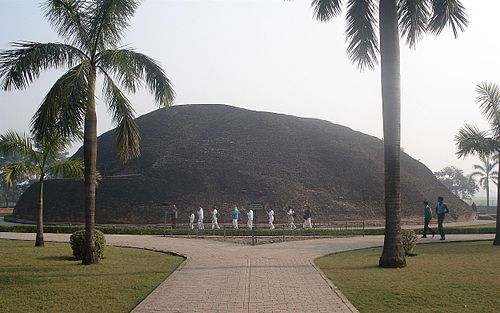
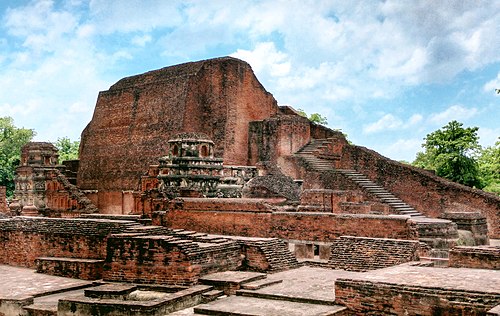
In Lumbini, Lumbini Province, there stands Lumbini — Birthplace of the Buddha — lumbini in the Terai of Nepal is the birthplace of Siddhartha Gautama — the place where Queen Maya Devi gave birth to the Buddha while grasping the branch of a sal tree in the Lumbini Garden. It is the first and most fundamental of the four great Buddhist pilgrimage sites.

II.Architecture

The Built Form

Buddhist (Gupta/local)

1
Gopurams
12m
Height
0
2
Hectares

Vimana / Gopuram

Dravidian vimana over the sanctum — stupa-influenced with brick tower

Sanctum Sanctorum

Garbhagriha — Stupa-influenced with brick tower

Construction Material

brick

Lumbini in the Terai of Nepal is the birthplace of Siddhartha Gautama — the place where Queen Maya Devi gave birth to the Buddha while grasping the branch of a sal tree in the Lumbini Garden

§Plan View

An architectural reading of Lumbini — Birthplace of the Buddha — a top-down plan derived from the temple's recorded data.

SanctumVimana 12mEast GopuramN
Legend
Gopurams (1)
Vimana & Sanctum
III.Timeline

Sacred Timeline

  1. Ashoka's pilgrimage (c. 249 BCE)

    Ashoka visited Lumbini, erected a pillar inscribed 'Hida Bhagavam jāte ti — Here the Buddha was born', and exempted the village from tax — the earliest textual proof of the Buddha's historicity

  2. Coningham excavation (2013)

    Robin Coningham's ASI/National Geographic dig beneath the Maya Devi Temple found a timber shrine dated to the 6th c. BCE — potentially the earliest Buddhist structure ever discovered, roughly contemporary with the Buddha himself

  3. UNESCO inscription (1997)

    Lumbini's World Heritage status triggered a multinational monastery-building programme that transformed a rural Nepali village into an international Buddhist pilgrimage destination

IV.Elements

Sacred Elements

The colours, creatures, and offerings that mark this site.

Sacred Colours

saffron
white
gold

Sacred Flowers

lotus (the Buddha took seven steps and a lotus bloomed under each foot)

Sacred Creatures

lion-throne (siṃhāsana — the Shakya clan emblem; not a mount)elephant (Queen Maya's dream — a white elephant entered her side)

Sacred Trees

sal tree (Shorea robusta — Maya Devi grasped a sal branch during labour)Ashokan pipal (planted at the Maya Devi Temple)

Sacred Offerings

incenselotus flowersbutter lampspradakṣiṇa of the Maya Devi Temple

Divine Mount

lion-throne (siṃhāsana — Shakya clan emblem, seat of authority, not a mount)
V.Patrons

Royal Patrons

  1. Ashoka Maurya (c. 249 BCE — pillar and visit)

  2. Kanishka (2nd c. CE — expanded monasteries)

VI.Texts

Sacred Texts

  1. Mahāparinibbāna Sutta

    Type: sutta

    The Buddha's deathbed instructions name four pilgrimage sites — Lumbini (birth), Bodh Gaya (enlightenment), Sarnath (first sermon), Kushinara (parinirvana)

VII.Trade

Trade Routes

  1. Uttarapatha — Lumbini sits directly on the great northern trade route linking the Gangetic plain to the Kathmandu Valley and Tibet; Ashoka's pilgrimage to Lumbini followed this route

  2. Kapilavastu–Lumbini corridor — the Shakya republic's capital (Kapilavastu/Tilaurakot) is 27 km from Lumbini; the entire Shakya territory sat on the trade route linking Shravasti to Vaishali

  3. Modern Buddhist diplomacy — 30+ nations have built monasteries in the Lumbini Development Zone (China, Japan, Thailand, Myanmar, Sri Lanka, Germany, France); the site functions as a Buddhist diplomatic precinct

VIII.Festivals

Festivals & Celebrations

  1. Vesak / Buddha Purnima (May — birth, enlightenment, and parinirvana)

X.Sacred Story

A Temple Record

An editorial reading of the site, woven from its architectural, historical, and scriptural data.

In Lumbini, Lumbini Province, Lumbini — Birthplace of the Buddha — a 6th c. bce (birth); ashokan pillar c. 249 bce; maya devi temple 2013 (re-excavated) site — lumbini in the Terai of Nepal is the birthplace of Siddhartha Gautama — the place where Queen Maya Devi gave birth to the Buddha while grasping the branch of a sal tree in the Lumbini Garden. It is the first and most fundamental of the four great Buddhist pilgrimage sites.

§Historical Arc

The site is associated with the patronage of Ashoka Maurya (c. 249 BCE — pillar and visit) and Kanishka (2nd c. CE — expanded monasteries). The earliest event recorded here is ashoka's pilgrimage (c. 249 bce). Through the centuries, the temple witnessed unesco inscription (1997). Ashoka visited Lumbini, erected a pillar inscribed 'Hida Bhagavam jāte ti — Here the Buddha was born', and exempted the village from tax — the earliest textual proof of the Buddha's historicity.

§Reading the Built Form

Built in the Built in the Buddhist (Gupta/local) tradition, the temple's 1 gopurams rise 12 metres into the sky the garbhagriha holds garbhagriha — stupa-influenced with brick tower . Lumbini in the Terai of Nepal is the birthplace of Siddhartha Gautama — the place where Queen Maya Devi gave birth to the Buddha while grasping the branch of a sal tree in the Lumbini Garden

Ashoka's pilgrimage (c. 249 BCE)
§A Visitor's Approach

01Walk the pradakshina path. Note the earliest event recorded here — ashoka's pilgrimage (c. 249 bce).

02Look up. The vimana above the sanctum is the temple's vertical sermon — each tier a step toward the divine.

03Return during Vesak / Buddha Purnima (May — birth, enlightenment, and parinirvana), when the temple wears its festival form.

04The tradition here is buddhist. Sit. Listen. The darshan is its own teaching.

§Practical Notes

Lumbini — Where the Buddha Was Born

The Garden of Queen Maya

Lumbini — a garden in the Terai lowlands of southern Nepal — is where Siddhartha Gautama was born. Queen Maya Devi, travelling from Kapilavastu to her parents' home in Devadaha (as was the custom for a woman's first confinement), stopped at the Lumbini Garden. Grasping the branch of a sal tree, she gave birth standing upright. The infant took seven steps — and a lotus bloomed under each foot.

This is the beginning of the Buddhist story, and Lumbini is its most archaeologically verified site. In 249 BCE, Ashoka visited Lumbini and erected a pillar with a Brahmi inscription: "Hida Bhagavam jāte ti" — "Here the Blessed One was born." This is the earliest written proof that the Buddha was a historical person.

The 2013 Excavation

In 2013, an international team led by Robin Coningham (University of Durham) and the Archaeological Survey of India excavated beneath the existing Maya Devi Temple. They found a timber shrine dated by radiocarbon to the 6th century BCE — roughly contemporary with the Buddha's lifetime. If confirmed, this is the earliest Buddhist structure ever discovered, predating Ashoka's pillars by 300 years.

The Master Plan

In 1978, the Japanese architect Kenzo Tange designed a Master Plan for Lumbini — a 5×5 km zone divided into a Sacred Garden (the core), a Monastic Zone (monasteries built by 30+ nations), and a Cultural Zone. The plan has been only partially implemented, but the Monastic Zone — with its Chinese pagoda, Korean stupa, Thai wat, Sri Lankan vihara, and German Dharmic centre — is a remarkable experiment in Buddhist internationalism.

Standard Disclaimer

⚠️ This entry is REVIEWED — Advisory Council review pending.

Wisdom Graph: Divine Associations

Vāhana
lion-throne (siṃhāsana — Shakya clan emblem, seat of authority, not a mount)
Sacred animals
lion-throne (siṃhāsana — the Shakya clan emblem; not a mount)elephant (Queen Maya's dream — a white elephant entered her side)
Sacred flowers
lotus (the Buddha took seven steps and a lotus bloomed under each foot)
Sacred trees
sal tree (Shorea robusta — Maya Devi grasped a sal branch during labour)Ashokan pipal (planted at the Maya Devi Temple)
Offerings
incenselotus flowersbutter lampspradakṣiṇa of the Maya Devi Temple
Sacred colours
saffronwhitegold

📜 Primary Scriptural Sources

  • Mahāparinibbāna Suttasutta
    The Buddha's deathbed instructions name four pilgrimage sites — Lumbini (birth), Bodh Gaya (enlightenment), Sarnath (first sermon), Kushinara (parinirvana)