



Historical PeriodEra
Saint d. 1325; tomb built by Muhammad bin Tughluq 1325; dome 1562; restored c. 2010 by the Aga Khan Trust for Culture
3000 BCESaint d. 1325; tomb built by Muhammad bin Tughluq 1325; dome 1562; restored c. 2010 by the Aga Khan Trust for CulturePresent
Sacred Facts · At a Glance
- Element
- air
Primary Scriptures
0 sourcesNo primary scriptures are catalogued for this entry yet. If you know of scriptural references we have missed, please contribute them.
Nizamuddin Dargah
Where Delhi Comes to Sing
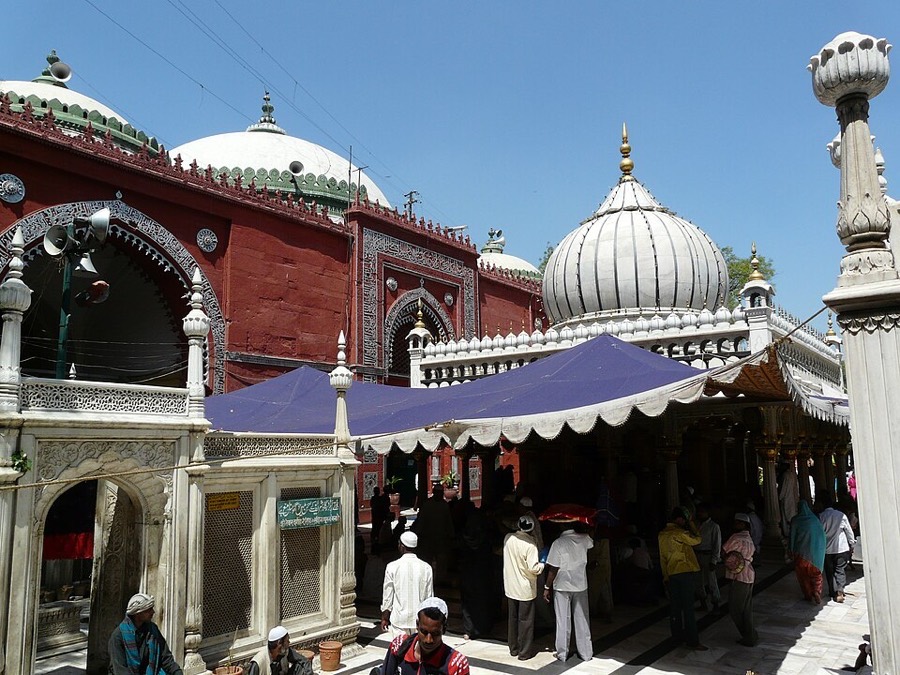
In the medieval village of Ghiyaspur — now Nizamuddin West, wrapped by modern Delhi — the Chishti saint Nizamuddin Auliya (1238–1325) ran a kitchen that never closed. Famine or plenty, his khanqah fed all comers while he fasted; to Sultan Alauddin Khalji's request for a visit he replied that his house had two doors — if the sultan entered one, he would leave by the other. Seven centuries on, his tomb is the nerve centre of Sufi culture in India.
The Complex
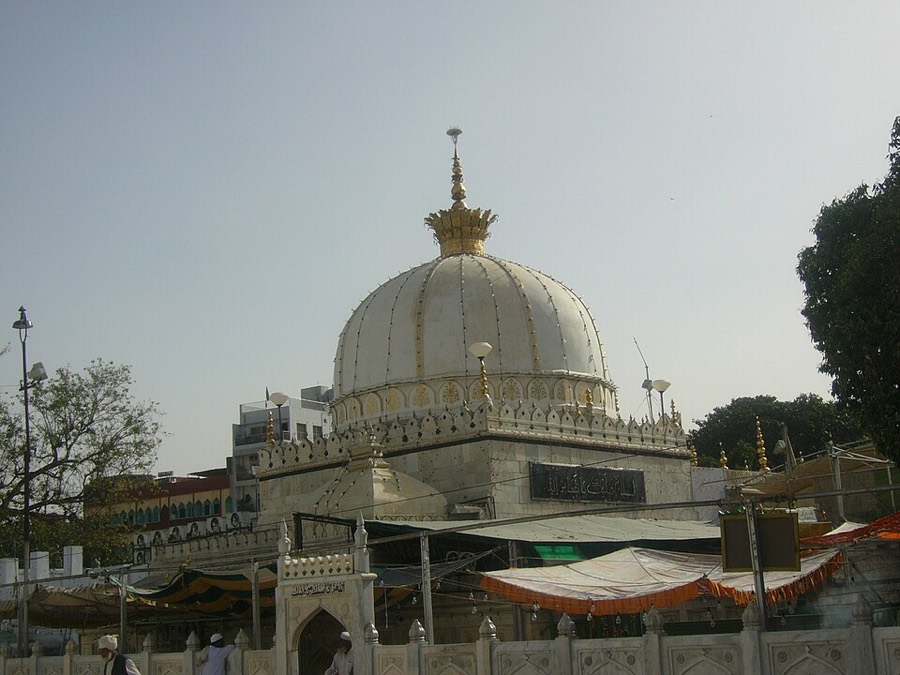
- The saint's tomb: white dome (1562), marble lattice, perpetual crowds tying threads (mannat) on the jaalis and offering rose petals and chadars.
- Amir Khusrau's tomb: the Tuti-e-Hind (Parrot of India) — inventor, tradition says, of the tabla and sitar's ancestors and father of qawwali — at his master's feet, as the master wished.
- Jahanara Begum's grave: Shah Jahan's Sufi-inclined daughter lies roofless by her own wish — "let grass be my tomb's covering" — beside the saint she loved.
- Jamaat Khana Masjid (Khilji-era), the baoli stepwell, Chausath Khamba, and 70+ graves of princes, poets, and scholars.
Qawwali and Urs
- Every Thursday evening after Maghrib prayers, hereditary darbari qawwals sing in the courtyard — a thousand-strong audience swaying to "Kun Faya Kun" lineages. Daily qawwali after evening prayer; daily free langar.
- Urs (17th–18th Rabi II by the commonly cited calendar) and Khusrau's Urs draw lakhs; the tombs are lit (charaghan), sweets distributed, fateha recited.
- Basant Panchami is celebrated here too: legend says Khusrau, desperate to make his grieving master smile after a nephew's death, dressed in yellow and sang of spring — and the saint smiled.
Visiting
- Free entry, all faiths, 5 AM–10:30 PM; Thursday evenings arrive early — the courtyard fills by sunset.
- Women are traditionally not admitted to the inner sanctum; all may attend qawwali and langar.
- The lanes of the Basti — kebab stalls, ittar shops, the Baoli — are half the experience; Humayun's Tomb is a short walk away.
Sources & provenance
📜 3 Primary
- 📜
- 📜Primary sourceWikipedia