




Sacred Facts · At a Glance
- Vahana
- lāñchana (emblem — Jains do not distinguish vahana; each Tīrthaṅkara has an identifying lāñchana)
- Element
- water
- Sacred Colours
- red (traditional Jain flag)yellow (saffron)white (purity)
- Sacred Flowers
- lotus · marigold · mango-leaf garlands
- Sacred Trees
- banyan (vatavrakṣa — Mahāvīra's kevala tree) · dhātakī (Pārśva's kevala tree)
- Sacred Offerings
- rice-grain offerings (dravya-pūjā) · sandal paste · kṣīra (milk) · diyas · circumambulation (yatrā) of 27 km hill circuit
- Sacred Animals
- lion (lāñchana of Mahāvīra — emblem, not mount) · snake (lāñchana of Pārśvanātha — emblem, not mount) · bull (lāñchana of Ṛṣabhanātha — emblem, not mount)
Primary Scriptures
1 source- Śikharjī Māhātmyapilgrimage textThe sacred narrative of the hill — describes the liberation of each Tīrthaṅkara and the power of the 27 km pilgrimage circuit
Shikharji — The Peak of Salvation
Where Twenty Tīrthaṅkaras Attained Mokṣa
Shikharji (also Śikharjī or Sammed Śikhara) is the holiest site in Jainism. On this forested hilltop in Jharkhand, twenty of the twenty-four Tīrthaṅkaras — the ford-makers who cross the ocean of saṃsāra — attained mokṣa (liberation from the cycle of rebirth). Only Ṛṣabhanātha (1st), Neminātha (22nd), and Mahāvīra (24th) attained liberation elsewhere; every other Tīrthaṅkara left the world from Shikharji.
The pilgrimage to Shikharji is a 27 km circuit — an arduous climb on foot through forest, stopping at 20 shrines (tonks), each marking the spot where a Tīrthaṅkara attained liberation. The yātrā takes 5–6 hours and is performed barefoot. The route is unshaded; the heat is brutal. Jains believe that the difficulty of the climb is itself meritorious — the body's suffering purifies karma.
The Jain Vahana Distinction
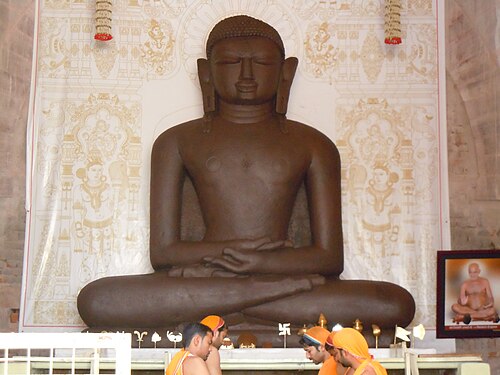
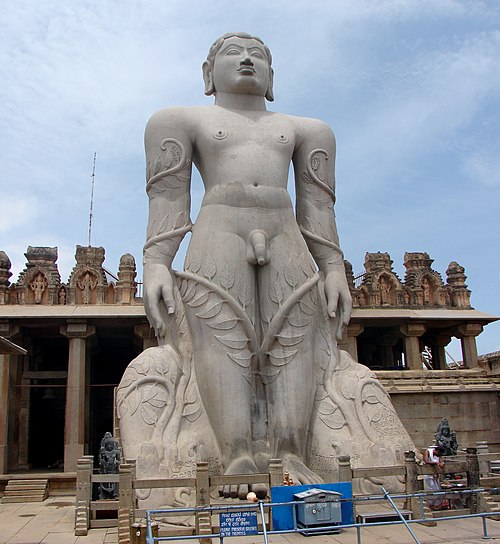
Unlike Hindu deities (who have vāhanas — mounts), Jain Tīrthaṅkaras have lāñchanas — identifying emblems. The emblem appears beneath the Tīrthaṅkara's crossed-legs in image form. These are not mounts; they are heraldic signs.
The most important lāñchanas at Shikharji:
- Lion — Mahāvīra (24th Tīrthaṅkara)
- Snake — Pārśvanātha (23rd)
- Bull — Ṛṣabhanātha (1st)
- Blue lotus — Neminātha (22nd)
The Jain lion-lāñchana is the same symbol as the Buddhist lion-throne (siṃhāsana) — in both traditions, the lion is an emblem of sovereignty, not a mount.
Marwari Merchant Patronage
The current temples at Shikharji were built in the 18th and 19th centuries by Marwari Jain merchant families from Rajasthan — the Dugar, Kothari, Bhutoria, and Birla clans. These same families controlled the opium, cotton, and banking trades of eastern India; their religious philanthropy paralleled their commercial expansion. The Birla family, which has built temples across India (including the Birla Mandir in Delhi), traces its religious identity to Shikharji.
Wisdom Graph: Divine Associations
- Vāhana
- lāñchana (emblem — Jains do not distinguish vahana; each Tīrthaṅkara has an identifying lāñchana)
- Sacred animals
- lion (lāñchana of Mahāvīra — emblem, not mount)snake (lāñchana of Pārśvanātha — emblem, not mount)bull (lāñchana of Ṛṣabhanātha — emblem, not mount)
- Sacred flowers
- lotusmarigoldmango-leaf garlands
- Sacred trees
- banyan (vatavrakṣa — Mahāvīra's kevala tree)dhātakī (Pārśva's kevala tree)
- Offerings
- rice-grain offerings (dravya-pūjā)sandal pastekṣīra (milk)diyascircumambulation (yatrā) of 27 km hill circuit
- Sacred colours
- red (traditional Jain flag)yellow (saffron)white (purity)
📜 Primary Scriptural Sources
- Śikharjī Māhātmyapilgrimage textThe sacred narrative of the hill — describes the liberation of each Tīrthaṅkara and the power of the 27 km pilgrimage circuit
Sources & provenance
- 📜Primary sourceBookJyotindra Jain. Shikharji: The Hill of Salvation (2003)
- 📜