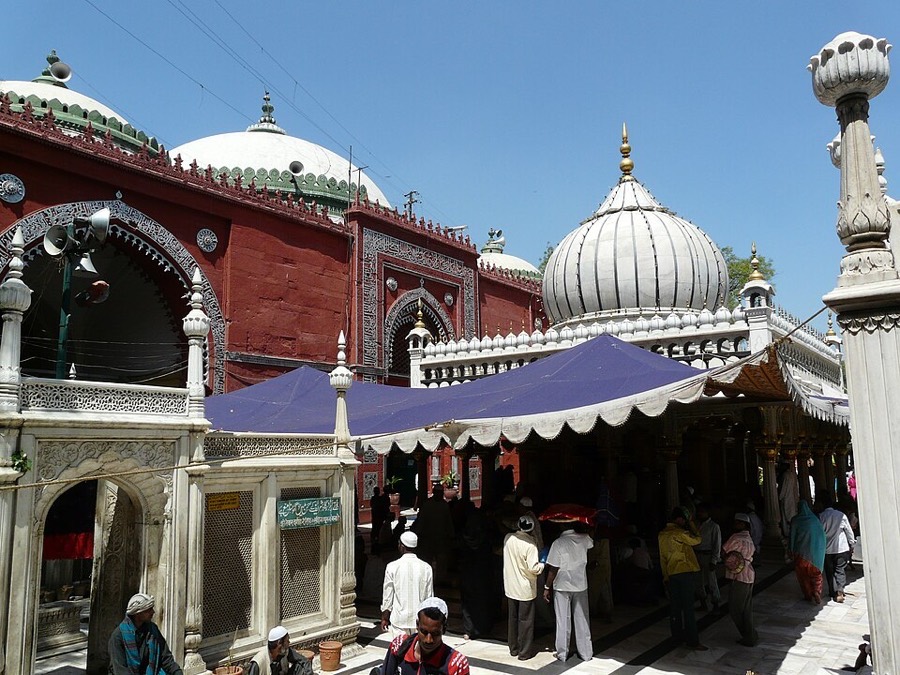
Adina Mosque, Pandua
Bengal's Colossus
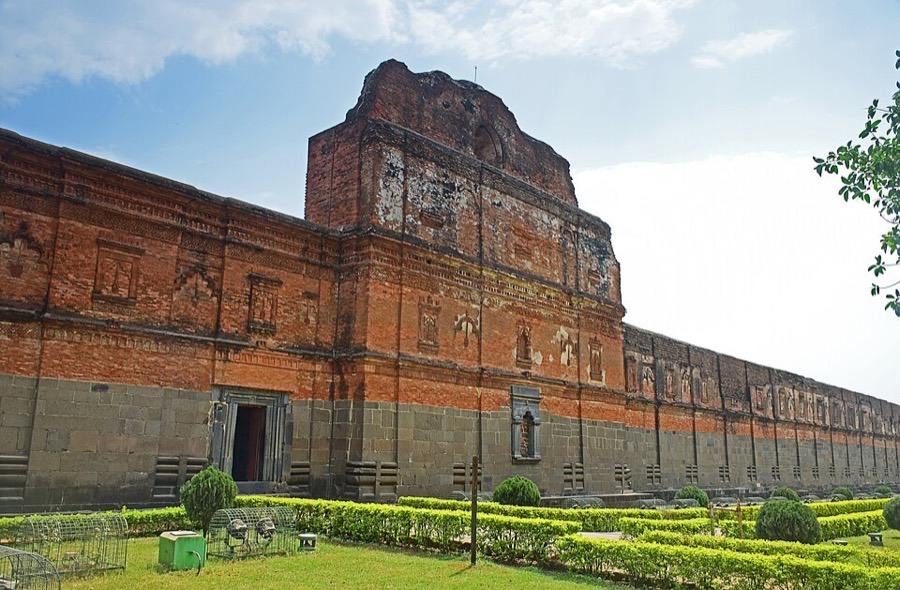
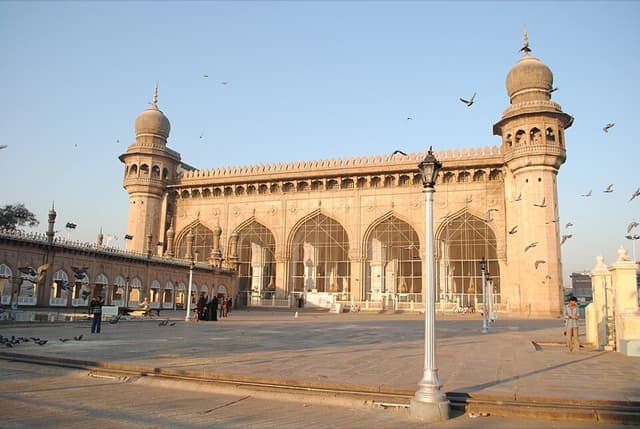
Five hundred feet of brick and stone in a mango-grove town: Adina — commissioned 1373, finished 1375 — was the largest mosque in the Indian subcontinent, a Bengal Sultan telling Damascus, Baghdad, and Delhi that Pandua belonged in their company. Today a roofless, ASI-kept forest of arches, it remains Bengal's mightiest Islamic monument.
What Is Here
- The hypostyle grid: Damascus-model sahn with riwaqs on three sides — the only "ideal-plan" mosque in Bengal, never repeated
- 387 domes (in original count) over the prayer ranges; carved elephants and dancers on outer walls — Sultanate bricklayers signing in local idiom
- The tomb chamber: massive pillars through the floor complicate the burial story — archaeology and legend share the room honestly
- Pandua quae Firozabad: cosmopolitan capital remains around — Eklakhi mausoleum and Qutb Shahi mosque nearby complete the day
Bengal Islam in Brief
Adina anchors the region's story: independent sultans (Ilyas Shahi), Persianate courts over a Bengali peasantry, Sufi preaching in the delta, and a distinct Bengali Islam — Baul-adjacent devotion, pir shrines, and later reformist currents — that this mosque's imperial scale only begins to tell. Full regional overview queued.
Visiting
- Malda district, ASI site; guides at gate; winter light best; combine Eklakhi + Qutb Shahi + Pandua minar in half a day