Today's ShlokaWednesday, 25 November 2026
Brihadaranyaka Upanishad 1.3.28
असतो मा सद्गमय । तमसो मा ज्योतिर्गमय । मृत्योर्मा अमृतं गमय ॥
Lead me from the unreal to the real; lead me from darkness to light; lead me from death to immortality.
Divine Lens
One free place for the daily life of Indian faiths — today’s shloka, the Ramayana as a living story, temples, and practices — every entry with its sources.
139 verified · 825 editorial · 690 pending review
Your streak, your saved path, and what you were reading.
Every tradition has its own vocabulary — here is the plain-English meaning.
Remember each day. Read the sacred stories. Study and practice — at your own pace.
A daily shloka, deity, temple, and festival — small remembrance for morning or evening.
Begin today →Walk the epic as living kathā — many characters, dharma choices, and story moments rooted in Valmiki.
Walk the path →Temples, texts, practices, and pilgrimage routes — learn with care and apply in daily life.
Explore wisdom →From the Trimurti to village deities — meet the forms living traditions revere.
Begin →Vāhanas and living companions — Nandi, Garuḍa, the peacock, the cow, the tiger.
Begin →Living shrines and ancient architecture across the land.
Begin →Canonical Vaishnava pilgrimage — each temple sung by the Alvars in Tamil hymns.
Begin →Two ways into the epics — read them verse by verse, or take up the board that teaches liberation.
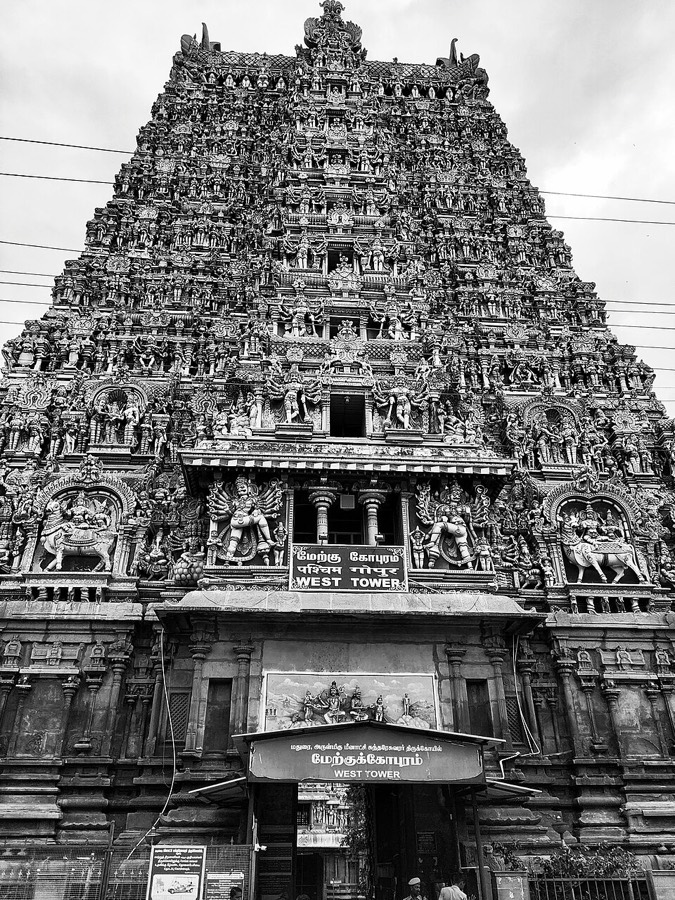
The Meenakshi-Sundareswarar Temple at Madurai — with its 14 gopurams (gateway towers), each covered in thousands of painted stucco figures — is the most visually spectacular temple in India. The divine marriage of Meenakshi (goddess) and Sundareswarar (Śiva) is celebrated annually as the Chithirai Festival — the biggest temple festival in Tamil Nadu.
185 entries, 82 declared links between them, across 6 kinds of record. This is not a menu — it is the shape of the tradition itself. Hover any point to name it; every one opens its entry.
1,654 published entries, each tagged with the tradition it belongs to — 14 families, from Bahá'í to Hindu. An entry can belong to more than one, because most deities are claimed by several.
Vaishnava, Shaiva, Shakta, Smarta, Ganapatya, Kaumara, Saura and the Vedanta & Darśana schools
Sri Vaishnava, Gaudiya, Pushtimarg, Madhva and the Divya Desams
Lingayat, Nath, Advaita, and the Paadal Petra Sthalams
Grama-devata, Theyyam, Naga, Sanamahi, Donyi-Polo, Sarna and tribal deities
Navadurga, the Ashta Matrikas, Tantra and the Shakti Pithas
Theravada, Mahayana, Vajrayana, Gelug and Nyingma
Catholic, Syro-Malabar, St Thomas and the Indian Christian record
Sufi orders, the Chishti and Suhrawardi silsilas, and shared shrines
Digambara and Svetambara, the Tirthankaras and the Jain sacred geography
The Gurus, the Takhts, and the Guru Granth Sahib
Parsi and Irani communities, Mazdayasna, Cochin & Bene Israel Jewish heritage, and West Asian faiths
Japanese kami, the Taoist pantheon, Confucian classics, and the Chinese pilgrimage record
Ganesha as the supreme deity, and the Ashtavinayak circuit
The Báb, Bahá'u'lláh, and the Houses of Worship
32 entries (1.9%) carry regional, linguistic or devotional tags — Tamil, Divya Desam, Tēvāram, Theyyam — rather than a tradition family. They are real and they are reachable through the category grids; this view groups by tradition, so it does not claim them.
Named forms to begin with — Gaṇeśa, Śiva, Viṣṇu, Durgā, and companions on the path.
One story, one sitting — a face, a telling, a moral that does not lecture.
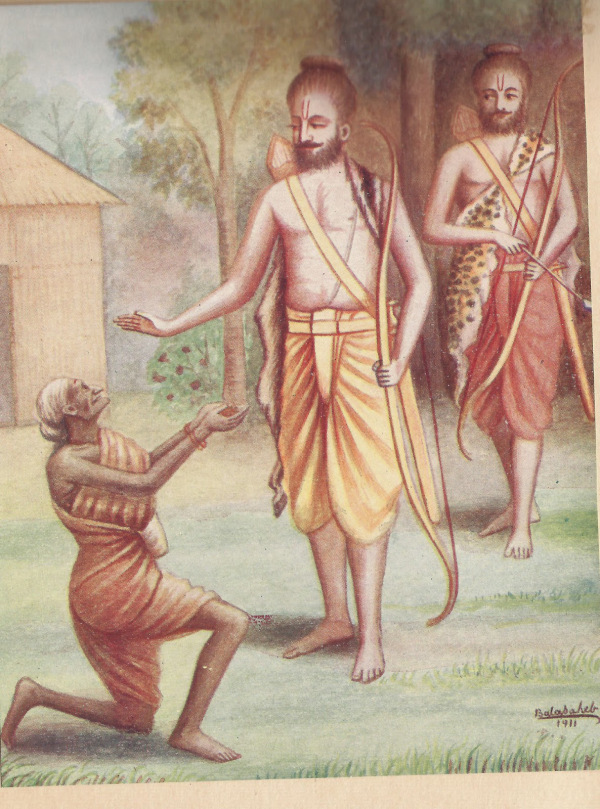
A tribal woman waited a lifetime at the edge of the forest for the prince she had been promised. And the fruit…
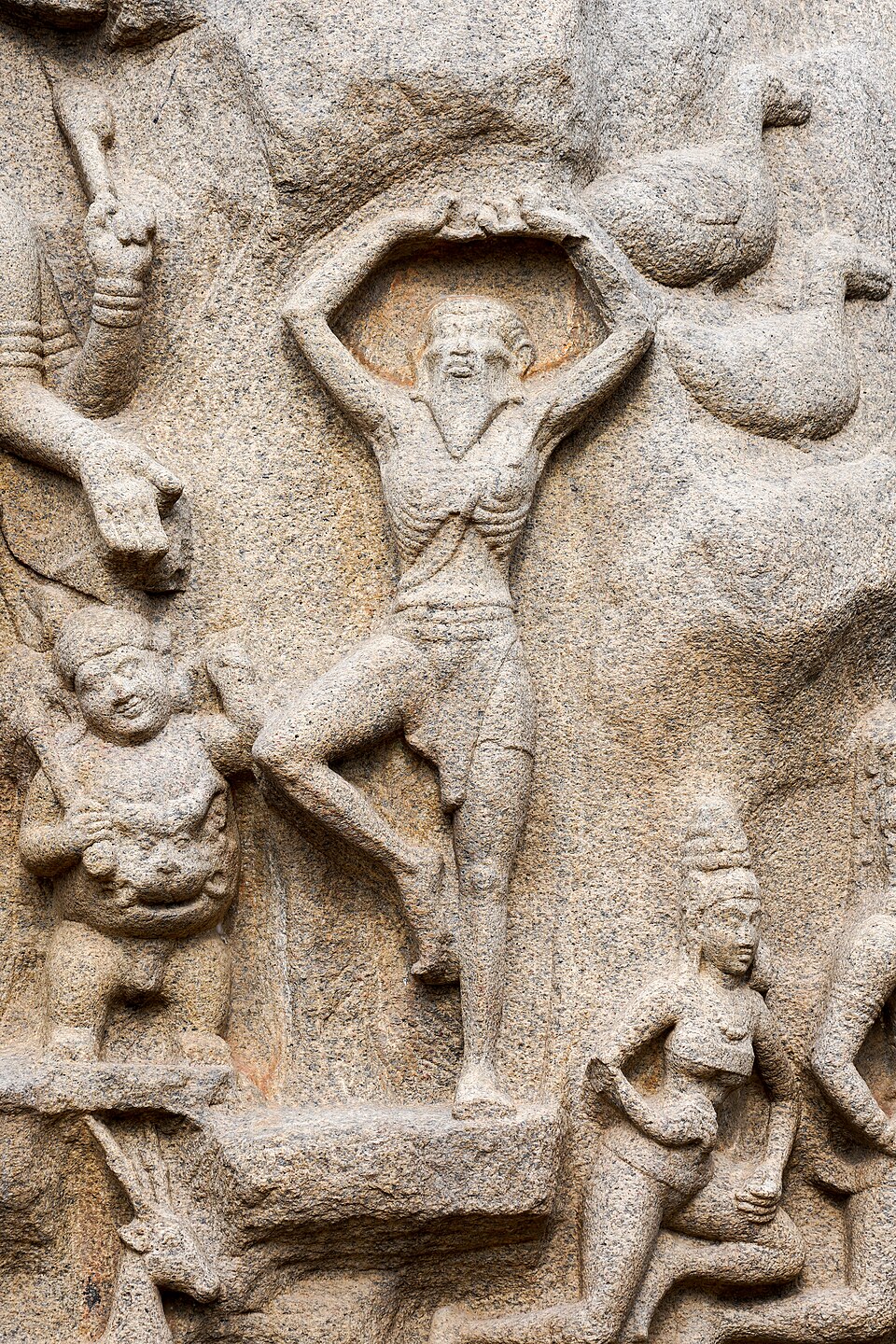
Sixty thousand princes burned to ash beside a meditating sage, and their ashes waited a thousand years for one…
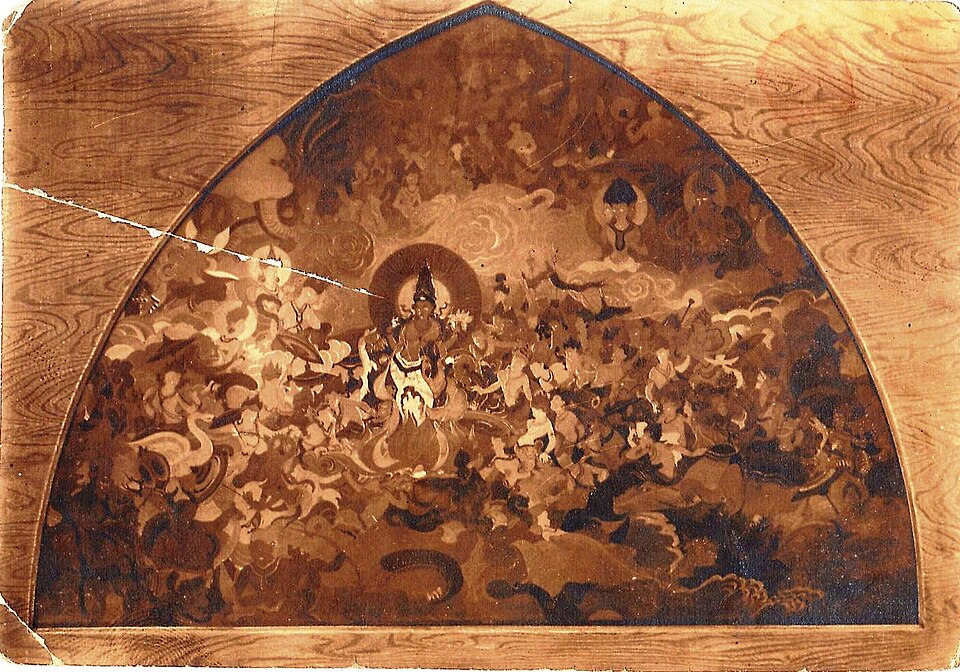
Gods and demons, hereditary enemies, uprooted a mountain and used a serpent as a rope to churn the ocean of mi…
The primary texts that shape understanding of the divine, the cosmos, and the path.
32 festivals across the subcontinent — the living pulse of spiritual life.
40 spiritual disciplines — from puja and meditation to yoga and sacred ritual.
The canonical Vaishnava pilgrimage — each temple sung by the Alvars in Tamil hymns of 5,000 years.
69 religious traditions — the great spiritual rivers of the subcontinent.
1,654 entries across 13 categories of India's spiritual heritage.
1,033 entries · Browse →
1 entry · Browse →
14 entries · Browse →
46 entries · Browse →
40 entries · Browse →
32 entries · Browse →
69 entries · Browse →
18 entries · Browse →
186 entries · Browse →
181 entries · Browse →
8 entries · Browse →
16 entries · Browse →
10 entries · Browse →
Four ways to walk through everything ELGODS offers — pick the path that fits your day.
Start with today’s shloka, meet today’s deity, visit their temple, read their kathā.
Walk the 108 Divya Desams — each with its sthalapurana story, mapped across the subcontinent.
Walk Vālmīki’s epic verse by verse — a painted Oviyan panel for every śloka, with the literal meaning beneath it.
The sacred ancestor of Snakes and Ladders. Cast the six cowrie shells across 72 states of consciousness — ten ladders of virtue lift you, ten serpents of ego pull you back, and Bhakti-Loka alone opens Vaikuṇṭha.


